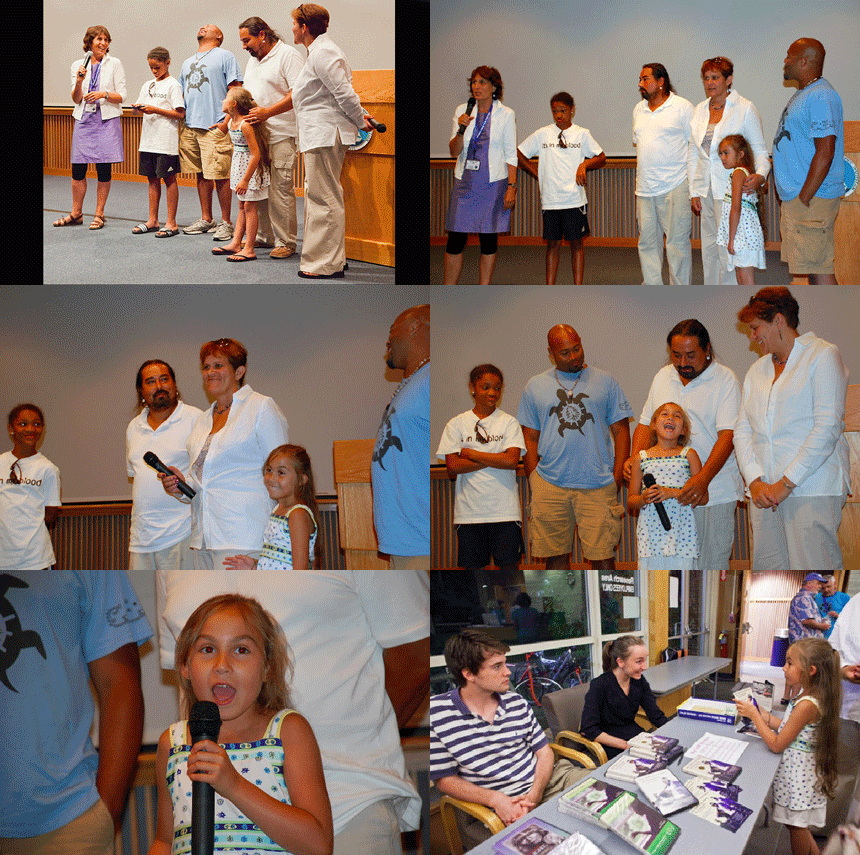
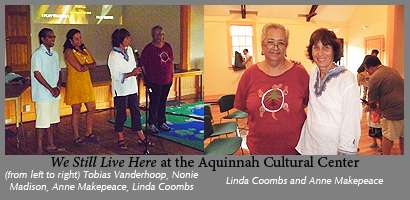
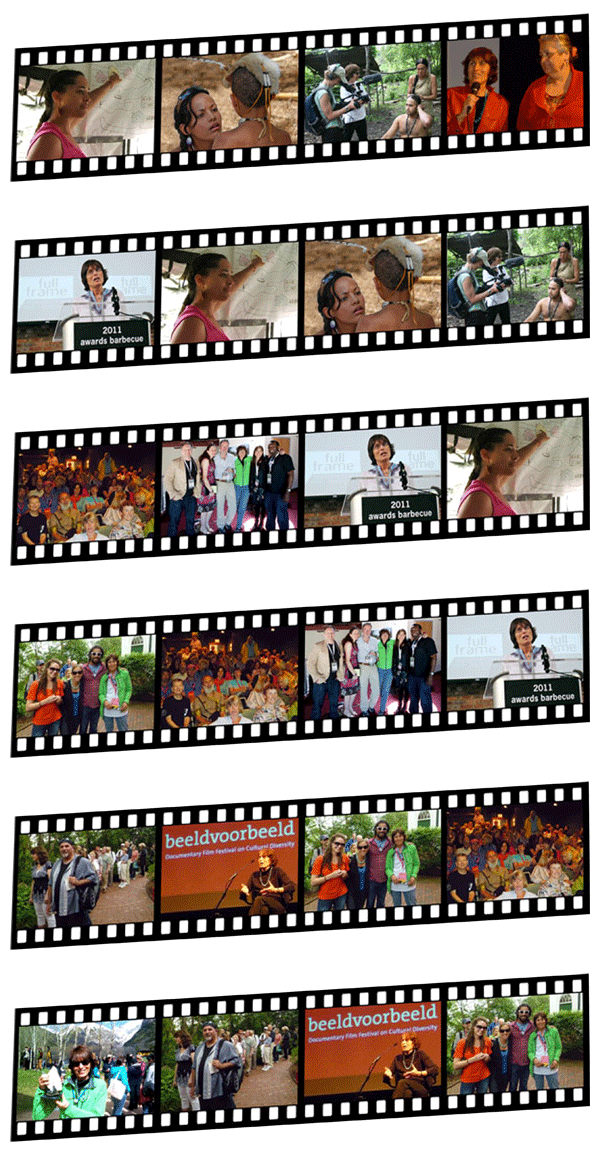
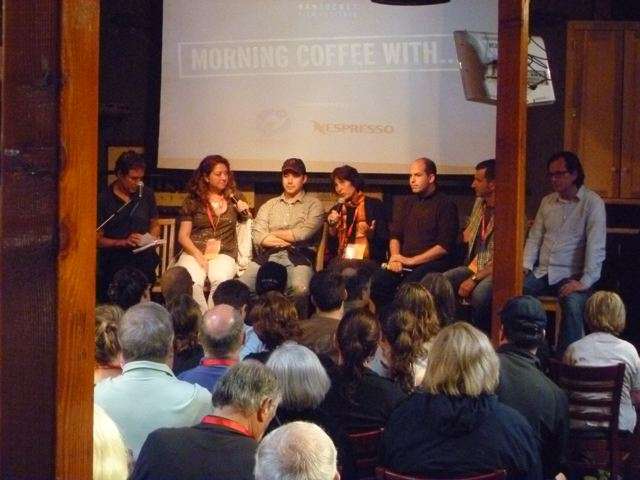
New Films Streaming, CA Supreme Court & More Summertime News… (Newsletter: September 2022)
September 7th, 2022
HIGHLIGHTS—
• Four short films now available for free streaming • Tribal Justice screens at the California Supreme Court • Judge Claudette White: In Memoriam • News—We Still Live Here • News—Rain in a Dry Land
READ THE COMPLETE NEWSLETTER—
by clicking here or on the photo below
RESILIENCE (Newsletter: Fall 2020)
October 6th, 2020
HIGHLIGHTS—
• Two Films to Watch on Indigenous People’s Day • Native American Heritage Month • We Still Live Here in the United Kingdom (Plymouth 400 Years) • Jessie Little Doe Baird receives top honor • Local screening of Neighbors Helping Neighbors
» watch this short film for free on Vimeo: vimeo.com/433676166 • Don’t forget to vote!
READ THE COMPLETE NEWSLETTER—
by clicking here or on the photo below
“NEIGHBORS HELPING NEIGHBORS” NOW AVAILABLE FOR FREE STREAMING
July 21st, 2020
NEIGHBORS HELPING NEIGHBORS: Our Volunteer First Responders — is a short film about our volunteer first responders, who give their time and risk their lives to save those in need. They are the local heroes of our communities, and we need them now more than ever. We hope this film will inspire new volunteers to join, and everyone to donate funds to keep these organizations going.
• Please watch the film, share it, and help spread the word!
• Vimeo link: vimeo.com/433676166 • Click here (or on the photo below) to read our July Eblast about the film’s drive-in screening at the Sharon Playhouse in Connecticut and to check out some great photos! …
LOOKING BACK, SPRINGING FORWARD (Newsletter: Spring 2020)
March 10th, 2020
Congratuations to Friends Honored at the Oscars Tribal Justice Around the World: Hawaii, Taiwan, Palo Alto, Minneapolis, San Diego Thousand Pieces of Gold We Still Live Here and the Mayflower at 400
A New Production: Neighbors Helping Neighbors
“Spring” … a poem by Mary Oliver
›› View the complete newsletter, with many photos, by clicking here or on the image below:
Screening in Millerton! Thousand Pieces of Gold…
January 14th, 2020
Thousand Pieces of Gold
At The Moviehouse
Millerton, New York
Dear Friends,
Thanks to all of you who came out for the screening of Thousand Pieces of Gold on Sunday. It was a great success, with a full house, terrific questions, and a warm reception from our wonderful community.
There’s one more chance to see the film at The Moviehouse, on Saturday, January 25th. It’s Chinese New Year, the perfect night to see Thousand Pieces of Gold. I will be there for the Q&A so please come and/or help spread the word.
Saturday, January 25 at 7pm [Please note date change: the Jan. 18th screening is now on the 25th] at The Moviehouse in Millerton Q+A with Anne Makepeace after both screenings
The passing of beloved Cassius (2008-2019): How We Will Miss Him An inspiring letter from Geoffrey Florance, MN Correctional Facility Fall Screenings of Tribal Justice: Taiwan, United Nations, & many more We Still Live Here’s continued and profound impact
Rain in a Dry Land: An important screening in Maine
›› View the complete newsletter, with many photos, by clicking here or on the image below:
A BETTER WORLD (Newsletter: Spring 2019)
May 1st, 2019
Tribal Justice Conferences & Symposia Judge Abby on cover of Cristian Science Monitor Weekly Ahead of the Curve: Minnesota courts and DOC We Still Live Here and upcoming 400 year anniversary
Coming to Light shines — from Florida to Switzerland
Thousand Pieces of Gold: Gorgeous 4K Restoration
›› View the complete newsletter, with many photos, by clicking here or on the image below:
FIRSTS (Newsletter: Winter 2019)
January 24th, 2019
The 16th Annual Indian Nations Conference Native American Heritage Month Justice Anne McKeig Marching and Screening in Washington D.C. Pocahontas Reframed
›› View the complete newsletter, with many photos, by clicking here or on the image below:
TRIBAL JUSTICE SCREENINGS: New York, LA, New Mexico, and More! (March 2018)
March 6th, 2018
›› View the screenings update by clicking here or on the image below:
FAREWELL TO SUNDANCE (January 27, 2018)
January 27th, 2018
News and Photos From Sundance · Great new documentaries · Chilling with fellow filmmakers Taos Proctor Update: Big-Hearted Star of Tribal Justice On a tragic note, Taos Proctor, the big-hearted Yurok father and husband featured in Tribal Justice, had a horrendous accident last week and is in the burn unit at St. Francis Hospital in San Francisco. Judge Abby Abinanti and others have started a Go Fund Me campaign to help him and his family get through this difficult time.
›› View the complete newsletter, with many photos, by clicking here or on the image below:
TRIBAL JUSTICE — STREAMING AND DVDs (Newsletter: Fall 2017)
November 1st, 2017
Tribal Justice now available for streaming and for purchase on DVDs!
• Click here to stream (for home use only)
• Click here for DVDs (home / educational / activist use) Tribal Justice wins three awards: Best Documentary at the Charlotte Film Festival, the Documentary Directing Award at the Cinetopia Film Festival, and the Grand Prix Rigoberta Menchú at the Montreal First People’s Festival
· Recent Screenings, including Yale Law School
· Upcoming film festivals
· We Still Live Here and Coming to Light still going strong
›› View the complete newsletter, with many photos, by clicking here or on the image below:
TRIBAL JUSTICE — TO SCREEN ON POV (Newsletter: Summer 2017)
July 28th, 2017
Tribal Justice to screen on POV, August 21, 2017 — Check local listings!
· Recent Screenings: On the road with Tribal Justice · WINNER! at Cinetopia
· Upcoming film festivals
· We Still Live Here and Coming to Light still going strong
· Stream films on VHX
›› View the complete newsletter by clicking here or on the image below:
TRIBAL JUSTICE — COAST TO COAST (Newsletter: May 2017)
May 24th, 2017
Tribal Justice at the Martha’s Vineyard and Millerton Film Festivals
· Outreach and Law School screenings
· Upcoming film festivals
· PBS this fall!
· Stream films on VHX
›› View the complete newsletter by clicking here or on the image below:
TRIBAL JUSTICE — WORLD PREMIERE! (Newsletter: January 2017)
January 26th, 2017
Tribal Justice World Premiere at the Santa Barbara International Film Festival
· Watch the trailer
· Tribal Justice to screen at the Big Sky Documentary Film Festival
· Upcoming Tribal Justice screenings
· Screenings Far and Wide
· Stream films on VHX
›› View the complete newsletter by clicking here or on the image below:
COOL NEWS IN THE DOG DAYS OF SUMMER (Newsletter: August 2016)
August 22nd, 2016
· The NEH awards production funding to Tribal Justice
· New Tribal Justice footage
· Russell Greene joins the Tribal Justice Team
· Filmic Convergence From Alberta to Albuquerque
· Screenings Far and Wide
· Stream films on VHX
›› View the complete newsletter by clicking here or on the image below:
A CAUSE FOR CELEBRATION! (Newsletter, January 2016)
January 25th, 2016
· The MacArthur Foundation awards production funding to Tribal Justice · Three Tribal Justicecase updates
· Screenings Far and Wide
· Stream films on VHX
›› View the complete newsletter by clicking here or on the image below:
A FALL TO REMEMBER (Newsletter, November 2015)
November 2nd, 2015
Native American Heritage Month: Updates on We Still Live Here and Coming to Light · Tribal Justice: A new ten-minute trailer
›› Six films now available for Streaming! Check out Makepeace Productions on VHX
›› View the complete newsletter by clicking here or on the image below
NEWSLETTER: JUNE 2015: “STORIES OF RENEWAL AND TRANSFORMATION”
June 16th, 2015
IN THIS ISSUE: Digital release of Rain in a Dry Land in honor of World Refugee Day (June 20) · Update on Tribal Justice · Two great new articles, loaded with photos · And the latest screenings! Click here or on the image below to read the full stories. Click here to join our mailing list.
SPRING NEWSLETTER: “HEROES AMONG US”
April 27th, 2015
IN THIS ISSUE: “Heroes Among Us”: Jessie receives this prestigious award from the Boston Celtics — Filming continues for two additional heroes, the judges featured in the Tribal Justice Project — A Quechan Film Clip — The Yurok Child Support Program.
Read the newsletter by clicking here or on the image below:
NOVEMBER NEWSLETTER: DOCS TO CELEBRATE NATIVE AMERICAN HISTORY MONTH
November 8th, 2014
IN THIS ISSUE:Tribal Justice — Filming in Yurok (including a great clip) — Upcoming Screenings of We Still Live Here — A Fantastic Article in Slate.com — A Recent Visit to Shinnecock — The Aquinnah Pow Wow — and more …
Read the newsletter by clicking here or on the image below:
Spring and Summertime Snapshots: Tribal Justice — New Footage …
Click in the image below to view the complete Spring 2013 Newsletter. Topics include new strides for Tribal Justice (be sure to watch the trailer); updates on A Necessary Madness (the Wangechi Mutu project); as well as, news & reviews of some of previous films that are still making a difference, including Moonchild. Click to read the full newsletter.
2014: LOOKING FORWARD, LOOKING BACK
January 7th, 2014
Our newsletter for January 2014 … I would like to wish everyone a very Happy New Year!
Below is a glimpse at the blast. But be sure to click and reveal the full newsletter which has live links to video clips for the new projects, as well as a slideshow from an early short. Click for the full version.
NOVEMBER NEWS! THE CALIFORNIA TRIBAL JUSTICE PROJECT … and more
November 6th, 2013
Free Streaming of We Still Live Here during the month of November · Photos and Updates on The California Tribal Justice Project · Wangechi Mutu’s Exhibit in Brooklyn — More our documentary, A Fantastic Journey · Screenings and more. Click here to view the whole blast with slideshow and great photos.
ART AND JUSTICE: THE LATEST NEWSLETTER
October 9th, 2013
Filming in Kenya · Vision Maker Media Funding for The California Tribal Justice Project · An Exultation of California Indian Languages · Speaking Our Mother Tongues at the Language Is Life Conference. Click here to view the whole blast with slideshow and complete images. For Anne’s travel blog that is mentioned, please continue scrolling. Enjoy!
WANGECHI MUTU: FILMING IN KENYA … WITH THANKS TO MUSE FILM & TELEVISION
September 24th, 2013
A week before Joan Churchill and I were scheduled to fly to Nairobi to film with Kenyan artist Wangechi Mutu, a fire destroyed much of Nairobi airport.
Luckily flights resumed a day before we were scheduled to leave. Landing at Nairobi airport was chaotic, but we arrived and settled in to our lovely rooms at the Tribe Hotel. We were very fortunate to be staying in this incredibly comfortable and safe place!
Wangechi had arrived a week ahead of us, just before the fire struck. Her father and sister were there to greet her.
On our first shoot day, we drove out to Nyeri, a rough 2.5 hour drive to the family’s ancestral homeland in the heart of green and blooming Kikuyu country.
Our van broke down on the way, but we finally arrived at a lovely farm owned by Wangechi’s parents.
There we had the awesome surprise of filming Wangechi’s discovery of a giant leather portfolio containing a treasure trove of her childhood art, most of it from her teenage years.
Half an hour further, we came to her grandmother’s house, where we filmed an intense, revealing and emotional conversation about The Emergency, the time of the Mau Mau insurgency in the 1950s when the British removed the family and their whole community from their lands.
Wangechi’s grandmother showed us how the missionaries had forced her and other girls to sew up their ears and to renounce other traditional ways.
During the Mau Mau time, the British forcibly removed Wangechi’s grandmother and her nine children, among them Wangechi’s five-year-old mother, and with many Kikuyu communities, forcing them to live in concentration camps. They were told that this was for their own safety, but the family knew it was so the British could keep tabs on the Kikuyu and control any contact with the Mau Mau.
Fortunately when Kenyan independence came, they were able to move back and now are prospering.
On Sunday, we drove out to look at land that Wangechi has bought just outside Nairobi. Her mother, sister, and two aunts have also bought adjacent plots. There, she talked about her dream of founding an art center in Kenya where she and other artists could live and work for parts of the year.
Just as we found Wangechi’s plot, it started to rain. I ran to the van to get the umbrella that we had bought earlier, just in time. In picture are Anne, Justin doing sound, Joan shooting, Wangechi with Wathira, and Wangechi’s mother.
During the next two days, we had rich and insightful interviews with each of Wangechi’s parents. Her mother is a nurse who owned a pharmacy; her father is a scholar of African history. I was very curious to know how they felt about Wangechi’s challenging and often disturbing art. Wangechi’s mother admitted that she can’t look at much of it and doesn’t’ really understand it, but is proud of her daughter nonetheless.
Mr. Mutu pointed out that while he doesn‘t really understand his daughter’s art, he believes that the work is important social commentary that inspires dialogue about issues crucial to all Africans.
After the interviews, we drove out to the Catholic school Wangechi attended from kindergarten through what we would call sophomore year in high school.
She spoke about how Catholic imagery has inspired and affected her work. The best moment was when she and her school friend Jeri burst into Amazing Grace in Kikuyu in the school’s chapel.
On Wednesday, Wangechi, cinematographer Joan Churchill, and fixer/sound man (also an accomplished cinematographer) Justin Purefoy and I rose at 4AM to fly to Northern Kenya. We were headed to the Turkana Basin Institute to visit Wangechi Mutu’s mentor, renowned paleontologist Richard Leakey.
We rode from Lodwar airport with another film crew who were arriving to interview Dr. Leakey about the work of Wildlife Direct, an organization he founded which focuses on stopping the poaching of elephants for ivory.
Paula Kahumbu, now the CEO of Wildlife Direct, is taking a picture of me taking a picture…
We had a wonderful stay at the Leakey’s sprawling compound, sleeping under mosquito netting and meeting with Richard, his wife Maeve, and their awesome daughter Louise, who was Wangechi’s elementary school classmate.
Richard has helped Wangechi over the years at critical times. When she wanted to leave Kenya for art school in New York, he gave her a scholarship that covered her first year at Parsons, and so began her international career. He also helped her in her grueling attempts to secure a green card, which finally happened less than a year ago, enabling her at last to travel home to Kenya.
On the last day of this visit, Wangechi told Richard Leakey how inspired she felt, being at the Turkana Basin Institute, not just because she was visiting old friends, but because she could begin to really envision how she might set up an art center in Kenya, a place that could be self-sustaining and would offer much needed time and space to artists in a peaceful and inspiring place.
Back in Nairobi, visited friends of Wangechi’s who recently founded an art center there called The Nest. They had a lively discussion about the burgeoning art scene in Kenya, and about possibilities for living as an artist there.
Before the trip, Wangechi had expressed anxiety about how she would be received in Kenya. What would people there think of her art? Would it be possible for her and her family to return at least for part of every year?
It seems that the ‘prodigal daughter’ found tremendous inspiration and encouragement during the trip. She reconnected with old friends, explored the local art scene, and found a warm welcome with her family. Still, is it really possible for someone who has lived in exile so long to go home again? This is the question we will continue to explore in ‘A Necessary Madness.’
From Wangechi Mutu’s Tree of Life series, as shown at the Susan Vielmetter Gallery in Los Angeles.
JULY NEWSLETTER: MIDSUMMER MADNESS
July 16th, 2013
This month’s topics: Trailer of New Film about Wangechi Mutu & Upcoming Trip to Kenya · Filming Tribal Justice · Screenings at Ancram Opera House, Stanford University, Mendocino and the NEH · OMT blogs about Yurok language classes and their justice system
This month’s topics: Filming Tribal Justice · A Slideshow (see below) · Older Films Come Alive · Upcoming Screenings · Language Revitalization and OurMotherTongues.org
Bring Back the Old … In with the New! (January 2013)
January 5th, 2013
First of all, I would like to wish everyone a very Happy New Year. 2013 will be an exciting one here at Makepeace Productions, with several of my older films taking on new life in the digital world, and a bunch of new projects percolating.
PART ONE: THE MEETING OF THE WATERS AND A GREAT SCREENING IN MANAUS
(Photo Album)
My first stop in Brazil was the city of Manaus, a balmy city in the state of Amazonas. Even though it was 2AM when we landed, I was very excited. After a few hours’ rest, Jeff Lodermeir, our host from the U.S. embassy, took us down to the old port and through a huge fruit market.
On Saturday morning, American Film Showcase expert Alan Baker and I took a trip up the Rio Negro to the ‘meeting of the waters,’ where the light brown Amazon meets the chocolate colored Rio Negro. Along the way we saw dolphins and iguanas, and even a sloth and baby alligator brought out to our boat by an Indian couple.
In the early evening we had our Amazonas Film Festival screening of We Still Live Here at the Teatro Guarany, part of a cultural center in a beautiful old Palacio built by an Austrian rubber barren in the 19th century. Of course the Guarany are an indigenous tribe of Paraguay and Brazil, so the name of the theater was very appropriate for the film.
To my amazement, Jeff had brought copies of a beautiful book on Edward Curtis called Sacred Legacy to give as gifts to our hosts. He had no idea that I had actually written the afterword to to the book a few years after my film on Edward Curtis came out.
The screening was truly awesome! Our host Suzy Osaqui had done a heroic job of publicizing the event, so we had an excellent crowd despite the fact that it was the Saturday of a six-day weekend.
The film clearly struck a chord with regard to indigenous issues here in Brazil. One person (pictured below with microphone) spoke of an Amazon tribe that years ago had hidden out in the midst another tribe, successfully pretending to be extinct so they would be left alone. Through the decades, they had retained their language and culture, and now were revitalizing it among their people and letting it be known that they are still here. The speaker seemed elated that a similar story to We Still Live Here was happening right here in his country.
Several people asked about what it was like to work with the Wampanoag; how I balanced an anthropological view with storytelling. I answered that I am a storyteller, not an anthropologist, though very interested in cross cultural issues.
A psychologist in the audience, who was clearly very moved by the film, said that by letting the souls of the Wampanoag shine through, my own soul shone through, and that in doing this I was helping to restore them. That was a bit too much for me; I said my job was to just get out of the way and let the story unfold. … Kudos to the Brazilian interpreter, who did a fantastic job.
Through the film, I think the audience became more aware that there is tremendous diversity in Native American cultures, that there are Indian people in the Northeast as well as the American West, and that the process of colonization seems to be the same sad story everywhere – first friendship and gifts, then a shift in the balance of power that enables colonizers to oppress indigenous people and impose their religion, language and culture on them, seize their lands, and disenfranchise them. On a more hopeful note, the film provided an inspiring story that reminded them of the resilience of indigenous cultures, both in our country and theirs.
After the screening, exhausted and elated, I relaxed a bit outside the Palacio, then rested up for our next adventure, a long trip into the Amazon rain forest to visit the Huni Kuin tribe.
PART TWO: A LUMINOUS VISIT WITH THE FOREST TRIBE OF HUNI KUIN (Photo Album)
On Monday, we set out on an expedition that would turn out to be the most moving and beautiful of the whole Brazilan experience.
After a four hour flight to the frontier town of Rio Branco, followed by six hours on rough road, we reached the town of Tarauacá to rest up for our visit to an indigenous tribe called the Huni Kuin, or True People, on the Pinuyá reserve. The trip was made much less arduous by the fact that I got to travel with Zezinho Yube, an accomplished filmmaker and a member of the Huni Kuin/Kaxinawa community we were setting out to visit.
On the long drive, we saw what had happened to most of the Huni Kuin’s territory — herds of cattle grazing on ranch land that settlers had burned out of the forest. Today there are approximately 10,000 Huni Kuin living on twelve reserves in the state of Acre, which borders on Bolivia and Peru. The Pinuyá reserve is the smallest of all of all.
We received a wonderful warm welcome from the tribal members. Alan and I were traveling with Marcos Afonso, Director of the Library of the Forest in Rio Branco who had arranged the trip; two cultural attaches, John Matel and Angelina Smid, from the US Embassy in Brasilia; Amilton Matos, an anthropologist and linguist who works with the tribe; our enthusiastic translator Samuel Alves; and of course the wonderful Huni Kuin filmmaker, Zezinho Yube.
There were lots of speeches and oration, and then I was called upon to tell the group about We Still Live Here. It was odd to me not to be showing the film and letting it speak for itself, but I did my best and the tribal members were really moved by it’s wonderful story of cultural resilience. I asked the chief if the Huni Kuin had a message for the Wampanoag, and several members spoke for a long time about the importance of language and culture, of how impressed they were by the Wampanoags’ courage and persistence in bringing back the language. While the Huni Kuin still have many speakers, they know that they will have to fight for their language and culture to survive.
When the speeches were over, our US embassy host once again presented a gift of Sacred Legacy, a beautiful book of Edward Curtis photographs for which I had written the Afterword. Chief Assis Gomes and other Huni Kuin were interested in seeing Curtis’s images of their North American relatives.
I noticed that many of the Huni Kuin were recording the various speeches on their smart phones, a wonderful example of technology preserving traditional ways. I had permission to film and also recorded much of the day.
The medicine man gave us each a wonderful gift — eye drops that he extracted from a medicinal plant that felt lovely and clarifying.
The Huni Kuin have only had protected land since 1972, and they are trying hard to reforest the parts of their reserve that were burned down by ranchers. They asked Marcos, John Matel from the American Embassy, and me to each plant a tree. This was really the most moving moment of the day for me.
After lunch, the women gave a demonstration of their wonderful weaving techniques. After watching them, I looked closely at all the fabulously colorful designs they had woven into headbands, bracelets, necklaces, ankle bracelets, earrings, and clothing, all so intricate and beautiful.
The Huni Kuin went all out to welcome us with many long and eloquent speeches and gifts. They also received a huge Mercedes truck as a gift from an NGO to help them become more self-sustaining economically, a problem since much of their land base was burned out and taken over by ranchers. There was lots of ceremony around the receiving of the truck, and I think we were undeserving beneficiaries of their gratitude for this.
In the late afternoon, Angelina Smid and I joined in a fast-paced dance that was so much like the one that the Wampanoag do at the end of We Still Live Here — a line that snakes around and in on itself.
We were all exhausted at this point, which was around 6pm, the time we were scheduled to leave, but as it turned out the trucks had all disappeared — apparently the drivers had decided to give some of the Huni Kuin a ride somewhere. We waited and waited, nada. Finally Marcos reached one of them by cell phone, and it turned out they were stuck in the thick mire about half a mile away. We slogged through the mud, which caked our shoes about 2” thick, and got to the trucks around 7pm for our 6 hour drive back to Rio Branco. It had been such an amazing and moving day that I didn’t mind the rough road or the long drive one bit.
PART THREE: THE FRONTIER TOWN OF RIO BRANCO (Photo Album)
After the long, bumpy drive from Pinuyá and Tarauacá back to Rio Branco, we collapsed at our hotel at 1:30AM to rest up for the next day’s adventures.
In the morning, Marcos gave us a tour of his wonderful Forest Library, which is clearly a collaboration with various indigenous tribes from the state of Acre. Then Alan and I were interviewed there for a local newspaper.
At around 2PM, Alan called to say that nobody had brought the subtitled film! Each of the two attachés from the embassy in Brasilia thought the other had it, or that I had brought it from Manaus. Panic! The screening was that evening; no film! What to do? Luciky, 1400 miles away in Brasilia, Jeff was able to upload the file at the embassy, our computer savvy translator Samuel Alves downloaded it and we had the film. But there were many tense hours before we knew we had something to show that night.
Pictured below, panic at an internet cafe! Angelina on the phone with Brasilia, Samuel working his cyber magic, John and Marcos very worried.
We were very fortunate to be in Rio Branco during the terrific Pachamama Film Festival, a festival that features films about indigenous communities.
At the reception after the screening, so many people came up to me to talk about the film and all they had learned, about Native Americans and about themselves. There were filmmakers from Uruguay, Chile, Colombia and other Latin American countries, also anthropologists and linguists and regular community members, kids and adults, and all seemed just tremendously excited and inspired by the film.
I think the film inspired many people in the audience to think about their own history of colonialism. On a more positive light, the current government is trying to return some of the land to forest, and has established protected areas for many of the indigenous communities. The film left the audience with a deeper appreciation of the huge diversity and the value of indigenous communities, and perhaps with a more profound understanding of the relationship between language and culture.
PART FOUR: A LEAP INTO THE MODERN WORLD OF BRASILIA (Photo Album)
After our adventures in Manaus, Pinuyá, and Rio Branco, arriving in the Brazilian capital of Brasilia was like landing on the moon. The city is all 1960s modern, from the Catholic cathedral to the wonderful Auditorio do Memorial dos Povos Indigenas where we screened We Still Live Here on our last night in Brazil. The Memorial is a beautifully done museum showcasing 55 of Brazil’s 280 indigenous cultures, with fantastic exhibits and continuously running films. It is built in a circle with an outdoor place for ceremonies in the center. The museum staff is working with many communities, and I was excited to learn that a major emphasis of both the exhibits and the museum’s educational programs is about preserving and revitalizing languages. I also learned from the exhibits that 70% of indigenous Brazilian languages have disappeared, so there is a true crisis of culture loss. I suddenly understood why the film was invited to Brazil; the story of We Still Live Here with its message of hope and inspiration is as relevant and important for Brazilians as for Americans.
I loved this screening. The audience was small, only about 20 people, despite heroic efforts on the part of the embassy staff to publicize the event; but the small size allowed the film to inspire a real conversation, a passionate discussion of indigenous issues. People were so engaged, and just so beautifully moved by the film. Several of their comments gave me goose bumps and nearly brought me to tears. A debate raged between those who thought that colonists did come to the Americas to convert the Indians, and those who felt that Christianity was just a ruse to steal lands from the natives. I thought they were both right, and was really thrilled to watch this conversation and to see the level of passionate ideas that seeing the film had raised there.
I was really happy to have someone from the indigenous community of Karaja near Mato Grosso in the audience — Maria Espirito Santo Borges Takahashi, what a wonderful name! She was just glowing with enthusiasm after the screening, and her comments were profound and moving. Here she is looking for, and then finding, the name of her community among the hundreds written on the wall of the museum.
Jeff Lodermeir, our host from the embassy, presented a copy of Sacred Legacy to Tania Primo, the wonderful director of the museum, with our terrific interpreter Claudia Chauvet looking on.
This screening was an awesome last event in an unforgettable week in Brazil. Everyone at the screening said they were intensely affected by the film, and some even said that they would leave the museum changed by it, that it had made them think deeply and in new ways about their own history and about the indigenous cultures in their midst.
A filmmaker cannot ask for more than this! Thanks so much to the American Film Showcase for choosing We Still Live Here, and to everyone at the American Embassy in Brazil for organizing such a magnificent, wide-ranging and enlightening journey.
For those of you who read this far, thank you for taking this wonderful trip with me, and Happy Holidays to you all!
After 24 hours of flights and layovers, I arrived on a Sunday in beautiful Sarajevo. My hotel was in the old part of town, right next to Roman ruins, Bosnian mosques, and Orthodox churches.
To stay awake, I walked uphill past a Muslim cemetery that used to be a park. Almost all of the tombstones were dated in the early to mid 90s, many of them of young people killed during the war. These cemeteries are everywhere, constant reminders, along with the bullet and shrapnel-ridden buildings, of the suffering that took place here in the 1990s.
Day 2: Burch University
My first American Showcase event was a presentation of We Still Live Here at Burch University, a primarily Muslim institution founded by Turks and Bosnians just outside Sarajevo. I was greeted by a friendly linguistics professor, Dr.Azamat A. Akbarov, who presented me with an historical document written in the original Bosnian language, a language apparently much changed since the Ottoman Turks colonized the area in the 1400s. The students were intrigued by the film’s story and intently interested in the film clips I showed, but my most memorable moment was an interview with a young undergraduate, Eldin Milak, whose comments and questions were among the most incisive and intelligent of any interview I have had so far.
Day 3: Tuzla
On Wednesday, we drove through green mountains and rolling farm country to Tuzla in the northeastern part of Bosnia and Herzegovina. Our first stop was a Madrassa, a Muslim high school. I was struck by the friendly reception we had there, by the openness of both boys and girls, the latter wearing colorful hijabs and radiant smiles. They seemed really engaged with We Still Live Here, though they were shy about asking questions.
Then we zoomed over to the American Corner in Tuzla, an embassy-sponsored program at libraries throughout the country. The diverse and mostly young audience packed the room, watched the film intently, and were very enthusiastic after the screening. One intense young woman commented on Jessie’s courage and heroism. A teacher spoke about the original Bosnian language and about the poetry found in documents that are now being studied.
After the screening, the intense young woman asked me privately if there was any kind of therapy that would help her get over her fear of making the kind of films that were in her head – apparently thrillers and horror films – because she thought she would repel and lose her friends. She said that she had been abandoned before, though didn’t elaborate. This was a tough one! I urged her to make a short, and to do it in collaboration with her friends. This surprising young woman had fire and passion and soul, and she inspired me.
Bosnian journalist Almir Mustafic then interviewed me about the film along with Bosnia and Herzegovina’s Best Young Actor of 2011, Enes Salkovic, who explained what films like We Still Live Here mean to young and aspiring actors in his country. Click here to read Almir’s interview.
We spent that night in a lovely hotel overlooking Lake Modrac, resting up for the next day of screenings and workshops.
Day 4: Doboj and Banja Luca
In the morning, we drove a short way to Doboj where I did another presentation for the American Corners in the city’s library. The group was primarily made up of Bosnian Serb high school students. At first, it was difficult to get them to participate in the discussion, partly because they were shy about their English skills but also because the subject of colonization and ethnic tension is so politically charged for them.
When they finally did enter the discussion, there was a very intense moment when several students spoke of their resentment about being colonized by the Turks 500 years ago, anger that is still very much alive. It was interesting to me to hear this Serbian perspective; for them, those who converted to Islam sided with the colonizing Turks and the recent war harks back to those resentments.
In the afternoon, we drove on to the city of Banja Luca, the largest city in the Republic of Serbska, an area of Bosnia and Herzegovina with a population that is almost all Bosnian Serbs. That evening, we screened We Still Live Here at the Banja Luca youth center. It was election night, and while the screening was going on I had dinner with companions on a rooftop overlooking what struck me as a battle of the brass bands, each one blaring loudly for their candidate of choice.
During an interview before the screening and the Q+A afterwards, the questions were excellent and somewhat challenging.
The most memorable was from a young woman who asked why my films are so critical of my country. I replied that I do love my country, but that it is very important that Americans and others know the dark side of our history as well as the good parts, that the genocide of Native Americans and the enslavement of Africans are the original sins of the United States that must come to light if we are to heal ourselves. I wondered if the people in the audience were thinking that sometimes, it is better to forget.
Day 5
On Thursday morning I gave a workshop on documentary structure for film students and instructors at the Arts Academy in Banja Luca. Using four of my films as examples, I focused particularly on how one decides on where in the story the documentary actually begins. In the second part of the workshop, we had a lively discussion of the students’ film projects: one about the guy’s dog, one about a gravedigger, one about a girl trying to stop smoking.
An animation instructor talked about a documentary he hopes to make about a small Bosnian town whose residents, Croats, Serbs and Muslims, all refused to participate in the war, and managed to keep the peace despite intense pressures to turn against their neighbors. They even barred politicians seeking their support from entering their town. This village had done the same thing during World War II, when Croats and Serbs fought each other bitterly. It sounded like such an amazing story that could make a great documentary, but the filmmaker feels it’s too soon, the topic too hot. I said that’s why he should at least shoot it right now. I hope he makes that film.
On the way back to Sarajevo, we stopped at a small town to visit a family hoping to start a cultural center there: a sweet and fiercely determined woman who runs a theater group and teaches elementary school; her son who was at the Banja Luca workshop and teaches guitar and mandolin, and a couple of young filmmakers who showed us their film about verbal abuse and how to prevent it. Next to me in the picture above is Rachel Gandin, USC/American Film Showcase administrator and a wonderful companion on the trip.
The rest of the day was a long and beautiful drive back to Sarajevo and a restful peaceful night.
Day 6
On Friday, we had time on our own to explore Sarajevo and recover from the last few days of travel and engagement. We had a brief meeting with the American Ambassador, and then in the late afternoon, a terrific screening at the Art House Cinema Kriterion, a place buzzing with the young and the hip, with an audience of filmmakers, producers, film festival organizers, and young professionals.
Afterwards, our wonderful companion Sunshine Ison, Cultural Attachee at the embassy, took us to dinner at a beautiful restaurant high in the mountains above Sarajevo.
Day 7
On our last day in Sarajevo, filmmaker Anayansi Prado and I gave a documentary workshop to a group of graduate film students back at the Kriterion theater. Anayansi gave a great and detailed description of all the steps of making a documentary; I recapped my talk on structuring films during post-production, and the students described their own works-in-progress. We had a lively exchange that I think was fun and enlightening for all, despite the fact that the room was so cold that we all needed blankets!
I loved hearing their descriptions of their projects, both fiction and non-fiction films. They were so evocative of their country’s history and current tensions, and revealing of where young people are today. I think they got a solid grounding in what it takes to make a documentary, the specific steps necessary to produce a great one, and the art of storytelling in film.
Day 8
My last day in Bosnia and Herzegovina was spent on the road to Croatia, seeing lots more of the countryside and stopping at Mostar, a beautiful city on the Neretva River that was destroyed during the Bosnian war. The United Nations rebuilt the astonishing 16th century Stari Most bridge, and the old parts of the city are now a UNESCO site.
As we crossed over into Croatia, I thought about all I had seen and heard and was left with a feeling of gratitude and admiration for the people of Bosnia and Herzogovina who are trying to go beyond the ravages of war and ethnic strife to rebuild their country and live in peace.
AN INTERVIEW WITH ANNE MAKEPEACE FROM BOSNIA AND HERZEGOVINA
October 11th, 2012
“One of the great things about working in documentaries is that you are entering a whole new world every time.” — Anne Makepeace
On October 3, 2012, Tuzla was honored to host Anne Makepeace who delivered a lecture at the American Corner. We had the opportunity to spend several minutes with Ms. Makepeace and ask her a few questions about her work and future plans. Among the audience members at Ms. Makepeace’s presentation was Bosnia and Herzegovina’s Best Young Actor of 2011, Enes Salkovic. He joined us during the interview and explained what lectures like Ms. Makepeace’s mean to young and aspiring actors in Bosnia and Herzegovina. Read the full article …
And be sure to explore OurMotherTongues.org — the companion website to We Still Live Here.
SUMMERTIME AND THE LIVIN’ IS EASY …
June 28th, 2012
Click anywhere on the image below to go to the latest news from Makepeace Productions: Teaching at the Hotchkiss School and upcoming screenings of We Still Live Here. And keep scrolling! Just beneath, a slideshow from
the wonderful screening at the Museum of Fine Arts, Boston.
JUNE AT THE MUSEUM OF FINE ARTS, BOSTON
June 27th, 2012
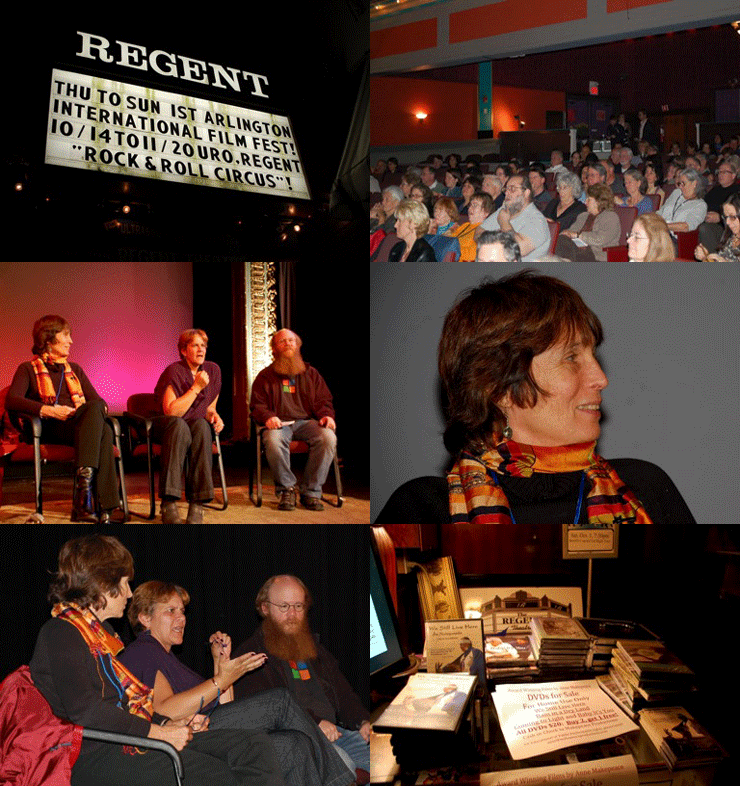
Here’s a slide show from our last burst of screenings at the Museum of Fine Arts in Boston, sponsored by the Arlington International Film Festival where We Still Live Here won Best Documentary last year.
Jared Bowen, Arts Editor of the Emily Rooney Show at WGBH, led a lively discussion with an enthusiastic audience and MIT linguist Norvin Richards, Mashpee Wampanoag language student Siobhan Brown and Anne Makepeace. (Photos by Anne O’Brien)
WGBH: JARED BROWN SPEAKS WITH ANNE MAKEPEACE ON “WE STILL LIVE HERE”
June 8th, 2012
Jared Bowen speaks with filmmaker and producer Anne Makepeace about her new documentary We Still Live Here that explores the revival of the Wampanoag language after more than a century. ·Web Link·
“WE STILL LIVE HERE” SCREENS AT THE NATIONAL MUSEUM OF THE AMERICAN INDIAN IN NEW YORK CITY
June 4th, 2012
Maori Visitors from New Zealand Share a Song
June 4th, 2012
Maori visitors from New Zealand share a song at the Language Revitalization in the 21st Century Conference
at the City University of New York.
“WE STILL LIVE HERE” SCREENED AT LAFAYETTE COLLEGE, EASTON, PENNSYLVANIA
April 14th, 2012
By Ed Zhao, Easton College, Class of 2012
Ann Makepeace’s We Still Live Here is an astounding documentary that details the revival of the Wampanoag’s language. The Massachusetts Native American tribe, best known for aiding the pilgrims at Plymouth Rock, slowly lost their culture as European settlers arrived. The language disappeared and for over a century, there were no fluent speakers. Recently, Wampanoagdescendents have made a concentrated effort at rekindling their past and their efforts resulted in the resurrection of a language. MIT’s Noam Chomsky, one of the preeminent linguists in the world, states, “There is nothing I know of that’s anything like the Wampanoag case.”
Makepeace, a prolific filmmaker who has won a Prime Time Emmy along with being name a Finalist for the Academy Awards, crafts a poignant narrative. She succeeds in telling an immensely rich tale that effectively interweaves the heartbreak of the Wampanoag tribe with the arduous task of reviving a language.
When asked about why she was so fascinated by the Wampanoag, Makepeace answered, “It’s a story of a native community taking hold of its own destiny… and creating a better destiny for their children.” READ MORE ….
READ ANNE’S BLOG … THE SOUTHERN CIRCUIT TOUR
March 17th, 2012
[Below begins Anne’s day-by-day chronicle of the two-week long Southern Circuit Tour of her documentary We Still Live Here—plus wonderful slideshows & videos of all the good times. The tour includes South Carolina, Georgia, Mississippi, Alabama, Tennessee, North Carolina and Louisiana.]
Many New Photos! … Great Stories! … Scroll down & enjoy!
SOUTHERN CIRUIT: DAY 1 — Leaving Cassius … and Off to Charleston!
March 2nd, 2012
After a sweet sad goodbye to my husband Charles and my dog Cassius, I flew to Charleston, South Carolina, to begin my Southern Circuit tour.
Charleston was balmy after the frozen north, and the wonderful old house where I stayed made me feel that I was really in the Old South. I had a corner room just off the balcony. Street life was lively, with lots of boutiques and shops and restaurants, though chains like Pottery Barn, J Crew and Williams Sonoma have begun to invade the beautiful Southern architecture.
We had a wonderful screening at the Halsey Institute of Contemporary Art, part of the College of Charleston.
The audience was small — 60 or 70 people — but very enthusiastic with many smart and insightful questions. I was grateful to all who came, as we were competing with the Food and Wine Festival, the Charleston Film Festival, and a ballet, and and this was the first day of Spring Break at the college.
Lizz Bissell and her fabulous interns helped with the screening and with selling DVDs afterwards.
After the screening we gathered in the lobby for delicious cupcakes and interesting conversation. I was charmed by the diversity of the crowd — a beautiful young couple from Cuba, a Chippewa from Minnesota, a Ukrainian real estate agent and former filmmaker, and many more. It was a great night. A good time was had by all!
SOUTHERN CIRCUIT: DAY 2
March 2nd, 2012
Day 2 of the Southern Circuit tour was not so rosy. I arrived at Charleston Airport to discover that the plane I was supposed to fly out on had been hit by lightning and was delayed for maintenance. I had a very tight connection in Charlotte for my flight to Tallahassee, where I was to rent a car and drive 45 minutes to an hour to Thomasville, Georgia, for my next screening.
While the very helpful US Air agent tried to help me figure out alternatives, the flight was canceled. At first it seemed that I would never make it to my screening; US Air couldn’t get me to Tallahassee until 10pm. Lots of flights were canceled due to weather, so most were full or overbooked. The agent finally found Delta flights that were scheduled to arrive in Tallahassee at 9pm, which wasn’t much better. Then I met Paul Thompson, a wizard Delta agent who spent about 20 minutes trying to outwit his computer and get me on earlier flights. The computer kept saying no, and he kept at it — it was almost as exciting as a NASCAR race as he pounded the keys and exclaimed with hope and jubilation, then moaned with disappointment and tried again. It was truly inspiring! And he succeeded at last, getting me on flights through Atlanta scheduled to arrive at 438, which would get me to Thomasville in time. I gave him a copy of We Still Live Here for his efforts; he was excited to learn that I was a documentary filmmaker and asked with great passion whether i would make a film about … NASCAR!
The new flight was delayed a bit, and when I finally got to Atlanta I called my host, Bonnie Hayes, in Thomasville where I was supposed to have arrived hours earlier. She told me that Thomasville was being pounded by torrential rains, and that they were under a tornado warning! She wasn’t sure if the screening would go on; I said I would call her when I got to Tallahassee.
Which I finally did, at around 5pm. Of course my bags didn’t arrive with me, so sorting that out took some time. Then the rental car they gave me was so confusing – no key! everything computerized – that I had to drive back to National with my head out the window (couldn’t figure out the wipers or defrost) for a tutorial. I finally arrived in Thomasville for a great screening with about 20 hardy souls who had braved the rain and wind to get there, and had chosen my film over the Rose Queen Pageant that was going on just down the street! I loved the old renovated high school building that is now the Thomasville Center fort the Arts and the projection was the best I had seen from a DVD.
I was too frazzled by the events of the day to take photos, so have none to show you for this crazy day, but again I was moved and impressed by the intelligence and variety of people there. Two little girls who sat towards the front asked sweetly smart questions, and there was real passionate interest in the film’s issues that made the Q+A stirring and engaging.
SOUTHERN CIRCUIT: DAY 3
March 2nd, 2012
The sun came out on Sunday morning, my first day off on the tour. Downtown Thomasville was quiet, except for the Savannah Moon cafe where I had breakfast. Then I headed to the Florida coast.
I had made arrangements to drive to Apalachicola, an old fishing village on the Gulf Coast for two days and nights at the Gibson Inn where I am ensconced right now as I write. I love the names of the towns down here in this northwestern part of Florida – Panacea, Sopchoppy, Apalachicola.
Apalachicola is a lovely old fishing town, with an intriguing combination of funky shacks, old southern plantation style houses, great restaurants, and a very active fishing and oystering industry.
Today I’m going to head out to St. George Island where I may get blown off the narrow strip of sand by the high winds I can see outside – palm tree waving wildly just outside my window.
Tomorrow, the wild and crazy schedule begins again – flying to Memphis in the morning for screening in Tupelo that night, then to Greenville for screening in Clemson, Georgia, finally landing in Montgomery for my screening there on Thursday night. From there I’ll be driving all over Alabama, Georgia and North Carolina for three more screenings, until I fly to Savannah and then the final screening in Alexandria LA. So I am going to thoroughly enjoy this day of total R&R!
SOUTHERN CIRCUIT: DAY 4 — Time off in Apalachicola, Florida
March 2nd, 2012
On my free day in the little Gulf fishing town of the Apalachicola, I headed to the white sands of St. George Island. When not sound asleep on the beach I was treated to a wonderful parade of sea life: a heron standing on one leg, pelicans on land and sea, dolphins, even a loon! That night I dined on fried conch cakes with limeade sauce and mango slaw at a restaurant called “Up the Creek,” overlooking the Apalachicola River, and felt blessed.
First up in the slideshow is The Gibson Inn where I stayed in Apalachicola. Then … A day at the beach – not as warm as it looks, though. The air was about 60 degrees and breezy; the water was frigid!
SOUTHERN CIRCUIT: DAY 5 — Holly Springs and Tupelo!
March 2nd, 2012
Up early for the drive to Tallahassee airport and flights to Memphis, Tennessee, where I was intrigued by all the Elvis signs everywhere. My screening that night was scheduled for 7pm in Tupelo, Mississippi, about 110 miles southeast of Memphis. I stopped off halfway for a nap at the Courtyard Inn, next to Aunt Whooey’s Kitchen in the little town of Holly Springs, Mississippi, where I had decided to spend the night.
It was early spring in northern Mississippi—magnolias, fruit trees, and forsythia in bloom everywhere!
As I drove into Tupelo, I confess that my heart sank, especially since I had planned to have dinner somewhere close to the theater. The LINK Centre is on a long strip of MacDonald’s, Wendy’s, Walmarts, and other dispiriting chains. However, the warm welcome I received when I got to the Centre changed everything. Melanie Deas, director of the theater at the Centre, and members of the Tupelo Film Commission were really excited about the screening, especially since they had spent time in Wampanoag country.
In the middle of the film., Melanie’s sister, Meredith, recognized the name Vanderhoop (there are many Wampanoag Vanderhoops in the film) and texted her old Georgetown University friend Naushon Vanderhoop to ask if she was related! And of course she is, being from Aquinnah. An amazing connection from Tupelo screening to Washington DC and Aquinnah.
SOUTHERN CIRCUIT: DAY 6 — Screening at Clemson University in Clemson SC
March 2nd, 2012
Up again at dawn and back to Memphis for my flight to Greenville, South Carolina, and the drive to my screening at Clemson university. I had dinner with a group of students and their teacher, Southern Circuit coordinator Amy Monaghan, at an Iranian restaurant—delicious lamb shank and grilled asparagus—and then headed to the screening. It was fun being with these wildly enthusiastic students. I could tell they were really with the film, though they were a bit shy about asking questions.
Afterwards, I spoke at length with a professor from Uganda who was astonished at the linguistic parallels between Wampanoag and his own culture. Commenting on the part in the film where Jessie reveals that the word used to translate the concept “to lose one’s land” which was unknown to Wampanoags when the settlers arrived, is the same as the word meaning to fall down off your feet, the Ugandan said that their word for losing one’s language is the same as to fall down. He said that there are 56 different languages in Uganda, all fiercely defended by the communities that speak them. One never knows whom you are going to met wherever you go!
Next blog entry, arriving in Montgomery on the 47th anniversary of Martin Luther King Jr.’s march from Selma to Montgomery — hundreds of marchers arriving to protest voter ID and anti-immigrant laws … and then my screening at the historic Capri theater.
SOUTHERN CIRCUIT: DAY 7 — Notes from Montgomery
March 2nd, 2012
On Day 7 of the Southern Circuit tour, I pulled out of Montgomery airport in the early afternoon into pure gridlock. What was all the traffic at this hour? I noticed groups of people walking along the road, many looking Hispanic or Native American, some carrying flags or banners. They were converging on a big tent and thought, is this a pow wow? How amazing!
Then I noticed the signs and t-shirts that read, Stop HB 56, We are the 99, Proud to be Union, I Am a Man, We Are One. I stopped and talked to a man named Samuel who told me that the people marching along the road had just walked all the way from Selma to commemorate Martin Luther King Jr.’s march 47 years ago that day, and to protest the draconian Alabama anti-immigrant law HB 56, in particular its potentially devastating effect on voting rights. Near the end of their march, they were gathering outside Montgomery to prepare for the march on the Alabama State Capitol the next day.
That night, as I screened We Still Live Here at the Capri Theater downtown, I thought about the marchers a few miles away, their heart and determination to honor Dr. King and to keep fighting for a better world. At first these thoughts made what I was doing seem insignificant — screening a documentary to a few people — but my passion for this film and its story soon rose up and replaced that feeling with a sense of history and purpose. Aren’t we all fighting for the same thing? A more just world where the word freedom has deep personal meaning, where diversity is honored and valued and the many unique communities in our midst are appreciated and prized as part of the rich fabric of our country, and then I felt part of the marchers with their banners saying, We Are One.
SOUTHERN CIRCUIT: DAY 8 — Marching on the Alabama State Capitol
March 2nd, 2012
After a good night’s sleep at the wonderful Lattice Inn, I headed to the Alabama State Capitol, arriving just as the first marchers were arriving. The drizzling rain didn’t seem to dampen the high spirits of the crowd. Al Sharpton and Jessie Jackson were up on stage to welcome them, and a gospel group rant out with an awe inspiring “I’m gonna let nobody turn me round…” as the crowd gathered. How amazing to bear witness to this momentous day.
Later, Martin McCaffery, Director of the Capri Theater, also took me to see the Civil Rights Memorial, the Rosa Parks Museum, and Hank Williams’ grave. I was glad to see all of these, especially Maya Lin’s awesome installation, but my heart drew me back to the demonstration still going on downtown. I returned there just in time to see Jessie Jackson, Al Sharpton, and many other leaders gather on the steps of the Alabama State Capitol and sing the iconic and still deeply meaningful, We Shall Overcome.
SOUTHERN CIRCUIT: DAY 9 — Auburn
March 2nd, 2012
Day 9 began with mad blogging about the Montgomery march, including editing video that I had mistakenly shot upside down on my iPhone, a whole new editing challenge. Luckily I had my lovely room at the Lattice Inn to work in, and the kindly innkeeper Jim let me stay until I had finished.
I had a night off and a three hour drive from Montgomery to my next screening in Winder, Georgia, so arranged to stay in the university town of Auburn, Alabama, that night. As I drove into town, demonstrators waved signs for Ron Paul at me, reminding me that the Alabama primary was happening very soon and that I could be within a few miles of one of the comical though frightening characters battling it out in the south: Newt, Rick, Mitt, and maybe Ron too.
Waling around town, I was assaulted by talking light poles issuing peremptory orders: WAIT! WAIT! WAIT! Beep Beep Beep. They must have had movement sensors, as whenever I got within 50 feet of a crosswalk the orders began again. I wondered if there had been an outbreak of kamikaze pedestrians or blind drivers or both; mostly I obeyed.
That night, after a fantastic dinner of salmon salad at the Amsterdam cafe, I noticed some musicians entering a funky little bookstore and went in to find out what was going on. It turned out they were setting up to play, and since I love the dobro and pretty much any country or mountain music, I sat down to listen. They were great! Fantastic guy on drums and blues harp, awesome dobro player who was really fun to watch, great bass guitarist, a singer who thought he was cooler than he was but oh well, even a trombone, an unusual addition to say the least!
SOUTHERN CIRCUIT: DAY 10 — Winder
March 2nd, 2012
After a good night’s sleep at the Crenshaw Inn in Auburn, I drove through Atlanta to the little town of Winder, Georgia, for my afternoon screening there. Winder struck me as a town that might have been on its way up before 2008, but is struggling now. My host, Cultural Director Don Wildsmith (aptly named) is dedicated to revitalizing the town through a lively arts program. He helped bring We Still Live Here and other Southern Circuit films to the beautiful Winder Cultural Arts Center.
Wonder of wonders, I found the Chatterrbox Cafe right there in Winder! I always wondered where Garrison Keillor got that name for his Lake Woebegone tales, and now I know.
The audience was small but wildly enthusiastic and appreciative, and I was glad to have visited Winder and to have met Don and others who are so dedicated to bringing the arts to their community.
Looking at the pictures now, I can see how tired I was getting by this point in the journey. I had driven through six states; Winder would be my sixth screening in nine days, with four more to go.
After the screening, I set out at 5pm on a three hour drive from Georgia through South and North Carolina to Asheville to meet my brother Roger for dinner. I followed him home over the windy Appalachian mountain roads to stay at his home in Marshall, NC, with a night to rest up for my screening the next day 50 miles northwest in Tennessee.
SOUTHERN CIRCUIT: DAY 11 — Eastern Tennessee State University
March 2nd, 2012
I woke up in my brother Roger’s sunny house to the sound of oatmeal boiling and the Big Pine Creek rushing along (he literally lives up the creek). Worked for a while in a hopeless attempt to keep up with obligations, phone calls etc. At noon we headed across the French Broad River for lunch and then to Hot Springs for a hike up Lover’s Leap. Hiking along the Appalachian Trail, I was pondering the fact that hundreds of miles north this same trail winds through Salisbury Connecticut, for 13 miles, passing less than a mile from my home in Lakeville. Made me homesick for Charles and Cassius.
We had a good Thai dinner in Johnson City with film professor Shara Kay Lange and her husband Dan, both lovely and friendly and interesting folks that I wished I had had more time to get to know, then headed to the auditorium. The audience, a mix of students, professors, and people from the community, were really enthusiastic and engaged in the film and the issues it raises. After the lively Q+A and a 90 minute drive, I was still wired when we arrived back at my brother’s house to sleep.
SOUTHERN CIRCUIT: DAY 12 — Cherokee and Western Carolina University
March 2nd, 2012
We woke up to a rainy day in the mountains, drove down to Marshall for tea and emailing at actor/producer Tony Torn’s Good Stuff Café, then headed out for a day of adventure. First stop, Cherokee, the commercial and governmental center for the Eastern Band of Cherokee Indians, looking forward to seeing the New Kituwah Cherokee language immersion school that we featured on the Our Mother Tongues website, a companion site for We Still Live Here. (Please visit www.OurMotherTongues.org)
We met Gill Jackson, director and one of the founders of New Kituwah, for lunch, then headed to the school. There, all classes are taught in the Cherokee language, and English is not allowed. We were thrilled and honored to be invited to visit the school.
These second grade students have been part of New Kituwah since they were babies when it was founded. It was fun to watch them engage with their teacher during a lesson about half notes, full notes, quarter notes, all in Cherokee. New Kituwah has become a model school for many Native communities working to preserve and revitalize their languages. The Wampanoag Language Reclamation Project, featured in We Still Live Here, is hoping to found an immersion school in 2015, where all subjects will be taught in Wampanoag. Like New Kituwah, the plan is to begin with kindergarten and add a grade every year so that students can continue their education in their language as they move up through the grades.
Cherokee elder Myrtle Driver is translating Charlotte’s Web into the Cherokee syllabary! They are planning to record all of the voices and have already cast the roles according to the personalities the school’s staff; Gill will be reading Wilbur! This should be a delightful addition to the curriculum.
We also met with Bo Lossie, a teacher at New Kituwah who is also featured on the Our Mother Tongues Videos Page, where he talks about discovering the true meaning of his grandfather’s words. Here he is holding a picture here of that same grandfather.
After our great visit to Cherokee, we headed down to our screening at Western Carolina University in Cullowhee, North Carolina. So interesting to see the Cherokee on the street signs!
We had a great dinner at Guadalupe’s with our host Lorie Davis and with Tom Belt, Cherokee elder and language instructor at WCU, and linguist Hartwell Francis, Director of the Cherokee Language Program there. Then as we were pulling in to the University Center for the screening, there was Gill Jackson, come down to join us. He is incredibly busy, so it was a terrific surprise to have him there.
We had a great screening and discussion, and a very comfortable night at our comparatively posh digs at the Chancellor’s Guest House. No rest for the weary though—we left at dawn the next morning for Asheville airport and my flight to Savannah.
Stay tuned for the next blog entry: Screenings in Savannah, Georgia and Alexandria, Louisiana; then home at last to Charles and Cassius.
SOUTHERN CIRCUIT: DAY 13 — Tybee Island
March 2nd, 2012
After a wild five days of driving through Alabama, Georgia, South Carolina, North Carolina, Tennessee and back to North Carolina again, it was a huge relief to board the plane to Savannah, especially since I planned to stay at the beach on nearby Tybee Island with a whole day and night off.
After a long nap at my sweet B+B, I wandered along the beach to the mouth of the Savannah River where it pours out through tidal marshlands into the sea. The temperature was balmy, the beach not yet crowded with kids on spring break, as it would be soon.
For dinner, I had delicious crab soup at AJ’s Dockside Restaurant and watched the sun set over the marshes and the river tides. Then back to the Beachside B+B to rest up before the next day’s screening in Savannah.
SOUTHERN CIRCUIT: DAY 14 — Savannah
March 2nd, 2012
College kids were converging on Tybee Island for their annual rite of spring as I drove past tidal flats and sparkling rivers into Savannah for my sound check at the beautifully restored Lucas Theater. After meeting my hosts Erin Muller and Meaghan Walsh Gerard and checking the projection and sound, I had a few hours to explore Savannah on my own.
Everyone had warned me that hordes of people were heading into town for St. Patrick’s Day weekend. Apparently St. Patrick’s is bigger in Savannah than in New York City. I puzzled over this, thinking about Scarlett O’Hara and wondering if Georgia was seriously Irish. Everything in town was green, even the fountains! Cops were swarming everywhere too, in preparation, one of them told me, for the drunken revels soon to come.
Every screening has its surprises, and there were two great ones in Savannah. One was a handsome 13 or 14 year old boy (I can never tell ages any more!) who asked the most probing questions during the Q+A, and later in the lobby told me that he absolutely loves the Latin language, is studying it in depth at a special school, and is seriously annoyed that Italians are not reviving Latin as a living language. The other was a tall African American guy who turned out to be Jeremy Foreman, Executive Director of HandsOn Southeast Georgia who works with ITVS on their Community Cinema program. He and I will be Skyping on Tuesday after a screening of We Still Live Here that he has organized at Georgia Southern University in Statesboro. The film goes on and on!
I would like to have stayed in Savannah longer, but no rest for the weary—next stop, Alexandria, Louisiana, for the tenth and last screening of the tour.
SOUTHERN CIRCUIT: DAY 15 — Alexandria
March 2nd, 2012
Louisiana looked lovely and green from the plane, although there was no sign of a St. Patrick’s Day celebration when I landed. Different state, different country. I was glad to be staying with a local couple, Dr. David Holcombe and his wife Nicole, and that they would transport me from the airport to their house and to the screening. No more getting lost and trying to read my iPhone GPS while driving!
Alexandria is an interesting town on the Red River that has seen better days. Most of it was burned down during the Civil War, and when England Airforce Base closed in 1992, the town suffered again. But there is a valiant core group working to revitalize the downtown, bringing artists, musicians and filmmakers to spice things up. The Holcombes had worked hard to get the word out; getting a feature article in the local paper’s arts section, and contacting several Native American tribes nearby. As we arrived, I was pleased to see the small Black Box theater filling up; people seemed really excited about the film.
During the screening, I walked by the Red River and then explored the deserted streets of downtown Alexandria. There were a lot of empty storefronts, some clothing stores, an Irish pub that wasn’t especially lively, and then I happened upon the Tamp and Grind (what a name!), a funky little coffee house with a colorful bottle tree hanging outside. The cafe was packed with friendly high school kids listening raptly to a talented young guitar player named Benjamin Richey. He had lightning fingers and sang a raspy rendition of House of the Rising Sun just before I had to head back for the theater for the Q+A.
The discussion turned out to be one of the most emotional and engaging of the whole Southern Circuit tour. One woman was almost in tears as she described growing up with the Aquinnah Wampanoag on Martha’s Vineyard and her friends in the Vanderhoop family. Several African Americans in the audience praised the film lavishly, reacting to the Wampanoag’s story with deep compassion and admiration. A young woman named Akeshia Singleton from the Jena Band of Choctaw Indians, wondered how her people could revive their language. She said that her tribe has no speakers, but they do have a comprehensive dictionary that could help them get started. I said, you need a Jessie, someone who has the passion and energy and smarts and stamina to make it happen, and maybe that person is you! She certainly struck me as a person of passion and intelligence, and I hope she will decide to set out on this path.
This morning, I said good-bye to my hosts as they headed off to a day of Czech folk dancing in a nearby town – once again, you just can’t make these things up! The tour has been great, but now I am really looking forward to getting home tonight and seeing at last my beloved Charles and my crazy, much-loved Cassius.
On May 16, 2009, a United Nations General Assembly resolution called upon Member States “to promote the preservation and protection of all languages used by peoples of the world.” By the same resolution, the General Assembly proclaimed 2008 as the International Year of Languages, to promote unity in diversity and international understanding, through multilingualism and multiculturalism.
International Mother Language Day has been observed every year since February 2000 to promote linguistic and cultural diversity, as well as multilingualism. The date represents the day in 1952 when students demonstrating for recognition of their language, Bangla, as one of the two national languages of the then Pakistan, were shot and killed by police in Dhaka, the capital of what is now Bangladesh.
Languages are the most powerful instruments of preserving and developing our tangible and intangible heritage. All moves to promote the dissemination of mother tongues will serve not only to encourage linguistic diversity and multilingual education but also to develop fuller awareness of linguistic and cultural traditions throughout the world and to inspire solidarity based on understanding, tolerance and dialogue.”
‐‐ Source: http://www.un.org/en/events/motherlanguageday/index.shtml
INSPIRATION …. LAST WEEK AT SUNDANCE
February 2nd, 2012
So much of what we do as independent filmmakers is try to create something from nothing, alone with our laptops and our ideas, imagining a film before we begin it, or trying to figure out how to turn footage we have gathered into a story. But there is one place where every year I get together with colleagues who are experiencing the same driven passion to create. As a grantee of the Sundance Documentary Program, I have been invited to be a part of an incredibly familial, inspiring, generous gathering of filmmakers in an intensive series of panels, roundtables, meetings, and presentations organized by Cara Mertes and her extraordinary SDP team. Rushing between panels and screenings and meetings, we shared information, ideas, and stories of failure and success, of frustrations and epiphanies.
Cara set up so many fabulous meetings, panels, and events for us that I didn’t use half my film tickets. My absolute favorite film that I did see, bar none and way beyond all, is The Law in These Parts by Ra’anan Alexandrowicz, a superb, subtle, important, complex, beautifully filmed documentary about the Israeli legal system in the occupied territories of Palestine. I found this film inspiring on so many levels – the cinematography, the beautiful archive footage, Ra’anan’s interview techniques, and the extraordinary research that enabled him to cross-examine Israeli judges. Kudos to Ra’anan! A good friend and an extraordinary filmmaker. (Pictured from L to R: Vincent Melilli, Director of Visual Arts School of Marrakesh; with Filmmakers Anne Aghion, Anne Makepeace and Nancy Heikin)
Meanwhile, back home in Lakeville, Connecticut my sweet and faithful dog Cassius waited patiently – or more likely impatiently – for my return. He and my husband Charles must have had some good male bonding going on, but I like to think they missed me. We have had Cassius for a few years now, a Louisiana-born pup we found through Labs4Rescue who has made our house a home.
NOTES FROM LA COUNTY: Prison Time, the Autry Center of the American West, and Chapman U
December 9th, 2011
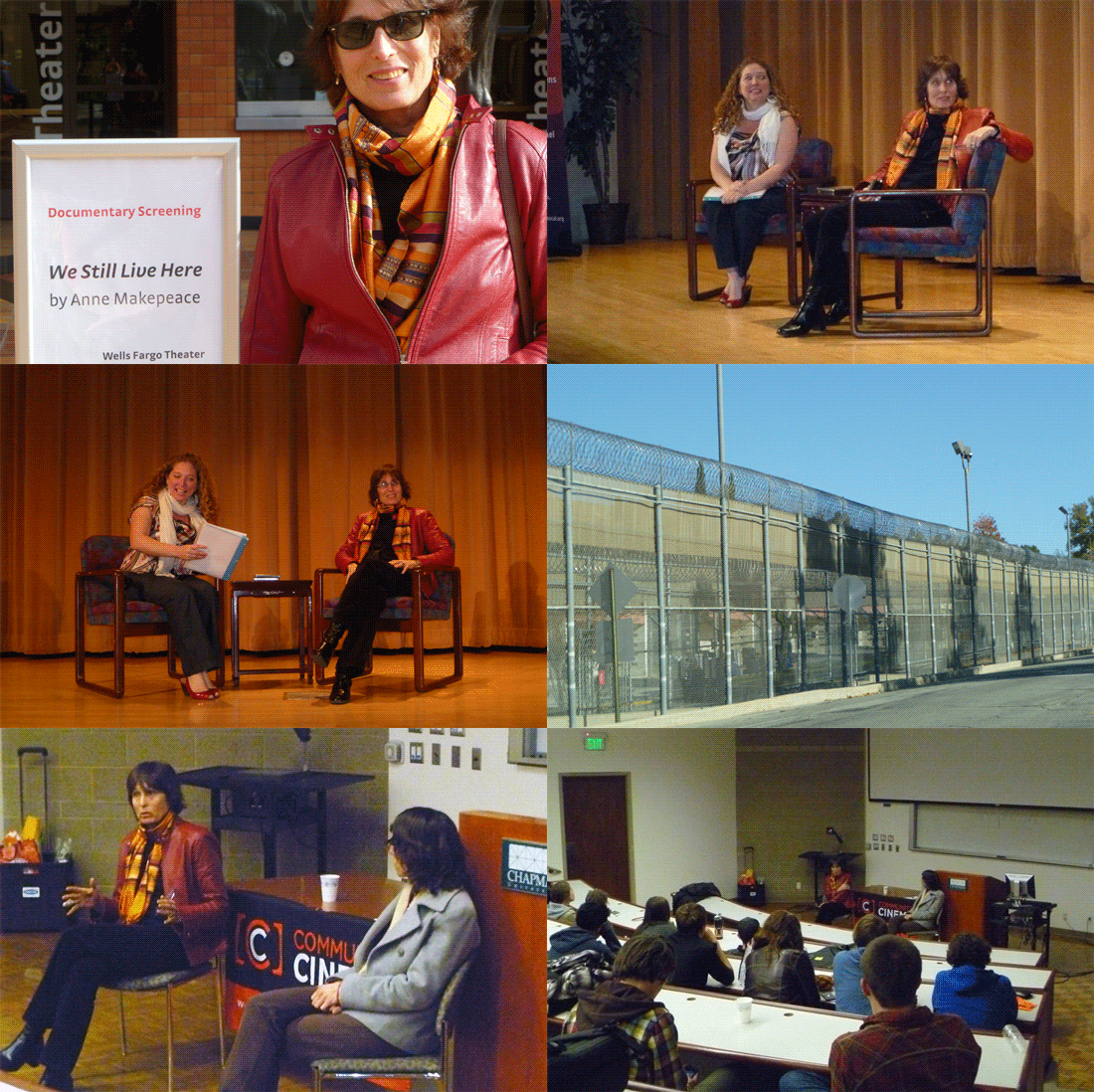
To see more pictures of these events, please scroll down to the Slideshow
What a weekend I’ve just had! Still jet-lagged from Saturday’s flight, I screened We Still Live Here at the Autry Museum in Los Angeles on Sunday for one of the many free Community Cinema screenings organized by Independent Lens. Desiree Gutierrez, an Outreach Coordinator for Independent Lens, had arranged the event with co-sponsorship of the UCLA American Indian Studies Center. For a gorgeous Sunday afternoon, we had a terrific and very diverse crowd; including a Wampanoag man far from his home in Mashpee, Massachusetts. After the film, we had a lively discussion moderated by Dr. Mishuana Goeman (Seneca), a professor at UCLA. (To read the Autry’s blog about the film, please Click Here).
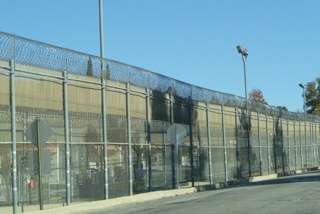
The next day, I found myself inside the Pitchess Detention center in Castaic, California, a medium security prison that is the oldest jail in LA county. The setting as we drove in was beautiful — fields and mountains stretched away in the distance. Then we came to the prison walls, 25 feet high, topped with razor wire, guard towers, heavily armed personnel, doors clanging open and shut as we were let in. I hadn’t been in jail since I was 16, arrested in Philadelphia for… but that’s another story. We entered a room packed with perhaps 250 men in prison uniforms listening intently
to a dynamic presenter talking about… actually I was too distracted and overwhelmed to take in what he was saying. Desiree and I were introduced and as I looked out over this sea of men of every color, I wondered what they thought of my film (they had watched it a few nights before), what they got out of it, how it related to their lives. Though many of the men looked tough and a bit scary to me, they were very polite, focused, interested, even passionate about the film. There were lots of questions about the true history of the Pilgrims and the
Wampanoags, about Jessie’s dreams and the miracle of bringing a culture back to life. One man was inspired to find out more about his Blackfoot grandmother; another said the film reminded him of redemption and being able to start over. I was so jet-lagged and disoriented that I kept losing track of the questions, especially the two and three part ones, but the guys were patient and accepting. I was extremely moved by their interest, their thoughtfulness, their curiosity and intelligence, and wondered what had brought them to this place. I hoped they would soon be free and make better choices on the outside.
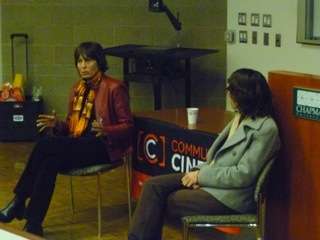
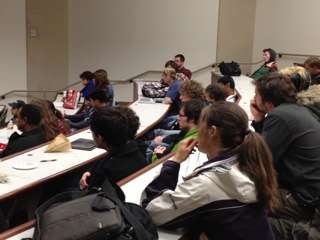
That night we drove south to another world — Orange, California — where we screened We Still Live Here at Chapman University, a Christian college in the heart of Orange County. The audience was mostly film students keen to know how to negotiate the prickly path to becoming a filmmaker. They were eager, open, excited about their projects and very enthusiastic and curious about We Still Live Here. It was nice to end the two-day screening frenzy with those fresh open faces, the students so excited about telling stories on film. I often tell students, “If you can do anything else in your life professionally and be happy, do that!” because being a filmmaker is so fraught with uncertainty, financial deprivation, creative agony, and tensions and pressures that make having a normal family life nearly impossible. But I didn’t say any of that to these kids, perhaps because of their passionate enthusiasm, but more likely because I had just had two days of filmmaker heaven, of having the story I had labored over for nearly four years seen, heard, appreciated, making a difference. All the hardships and challenges of creating We Still Live Here dissolved in the light of these experiences — the very reasons we filmmakers devote our lives to this work. I wanted to say, yes, do it! Find those stories you have to tell, and bring them into the world.
FROM THE AUTRY CENTER: Language as Something More Than Just Words
December 2nd, 2011
When they get noticed at all, they’re the supporting players in every Thanksgiving play or pageant. Rarely, if ever, do we hear them speak.
But the Wampanoag — the Cape Cod Indian tribe that famously helped the original Pilgrims survive in the New World in the early 1600s — use their own long-unspoken words to make a powerful statement in Anne Makepeace’s new documentary film, We Still Live Here,showing at the Autry on Sunday. And their standard-bearer is Mae, a child with hair the color of honey.
The film, which showed on PBS’s “Independent Lens” on November 17, tells of how, after hearing her people talk to her in an unfamiliar language in a vision, Jessie Little Doe Baird, a Mashpee Wampanoag social worker, began in 1993 to help her tribe reclaim its language. At that point, no living speaker had existed for more than a century. Little Doe Baird navigated tribal politics to get the members behind the project, the paperwork for a one-year research fellowship at MIT to get training, and centuries-old documents in the village halls to find a starting point. READ MORE ….
HUFF POST: “A LANGUAGE COMES HOME FOR THANKSGIVING”
November 24th, 2011
Like many children, Mae Alice Baird can sing a song, play a game, or tell a story. The difference is that she can do it in Wampanoag (Wôpanâak). If the name of this language sounds vaguely familiar to you, chances are that you heard about it at some point in history class, probably around this time of year. It was spoken by Native Americans back when the Pilgrims landed at Plymouth. Although they might not know the name of these Native people, many Americans celebrate the Wampanoag each year at Thanksgiving. But very few are aware that the group’s descendants still live on their ancestral homelands in Southeastern Massachusetts.
(Read more …)
Over 60 Screenings Nationwide
November 23rd, 2011
THIS MONTH … OVER 60
SCREENINGS NATIONWIDE Find a Community Cinema Event near you for a live screening and discussion by visiting MakepeaceProductions.com/screenings
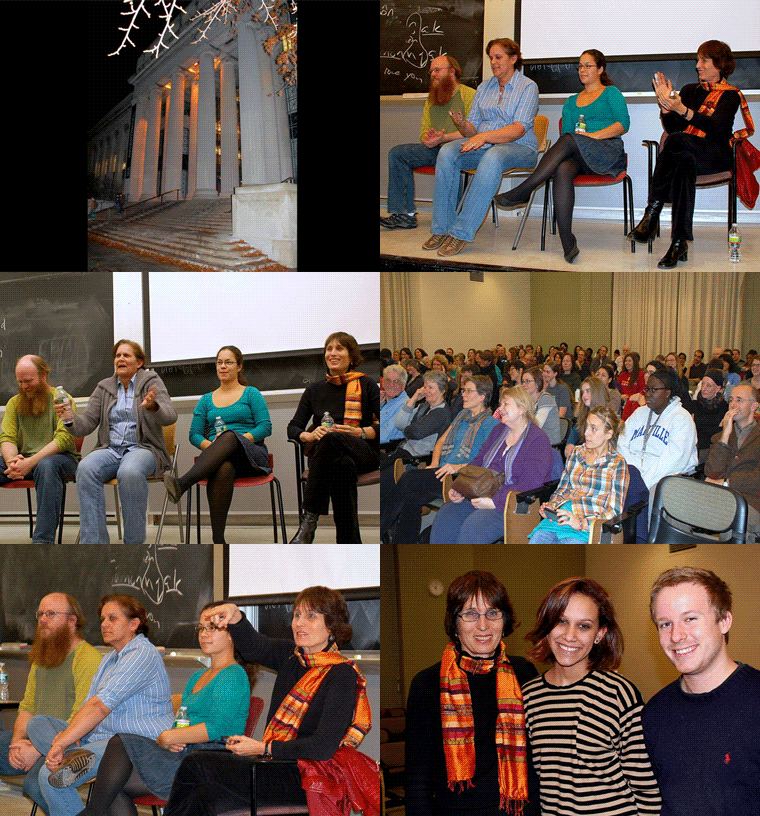
AN ENTHUSIASTIC AUDIENCE AT M.I.T.
November 18th, 2011
We had a fantastic screening at M.I.T. last Thursday night – packed hall, very diverse audience, huge enthusiasm for the film and wonderful discussion afterwards. The highlight of the Q+A was when Jessie Little Doe Baird and Norvin Richards demonstrated how to build a Wampanoag word. Their joy in the exercise was palpable, and the audience was mesmerized. (Enjoy the slideshow; all photos—Anne O’Brien)
The screening was sponsored by several MIT departments: Office of Minority Education, Office of Student Activities, the Technology and Culture Forum, and the Department of Linguistics and Philosophy, and was part of the MIT Women’s and Gender Studies & Women in Film and Video: New England Chicks Make Flicks film series. Thank you to all for a fabulous night! (more…)
WE STILL LIVE HERE … Margaret Mead Film Festival … New York City … and Facebook!
Shots from Various Screenings Across Massachusetts
· Harvard University
· Boston University
· Bridgewater State University
· Historic Deerfield
Host the film’s Director, Anne Makepeace, for an educational or community screening and discussion of her award-winning documentary We Still Live Here.
For detailed information, please contact our Outreach Coordinator,
What defines a culture? Is it the people, the language, the traditions? Over the course of human history, many cultures and entire civilizations have all but completely vanished from the face of the earth, leaving little to nothing for future generations to know about them. At some point in time the very last memories and experiences of these cultures passed away with the generations that held them. It is difficult to begin to imagine how many cultures remain buried in time, never to be discovered by future generations, but even more difficult to imagine what it would take to uncover these lost realities. POST A COMMENT / READ MORE ….
November 7 Newsletter: Watch PBS NewsHour Thursday night for a feature story & preview of We STILL LIVE HERE
The Economist FilmProject Features WE STILL LIVE HERE
November 5th, 2011
THURSDAY, NOVEMBER 10, 7pm WE STILL LIVE HERE featured on
the PBS NewsHour nationwide
The Economist Film Project is an initiative by The Economist, in partnership with PBS NewsHour, to share the work of independent, international documentary filmmakers with global audiences interested in learning more about our world and its untold stories. Read More Online
Telegraph21 Highlights WE STILL LIVE HERE — Video, Interview, Discussion
November 3rd, 2011
“… The story drew me so powerfully because of my own background – I am descended from those Puritan settlers who co-opted Wampanoag lands or worse – and partly because of the intensely passionate dedication and commitment that Jessie and other members of the Wampanoag Reclamation Project have for bringing their language home.” —Anne Makepeace
The Wampanoag nation of southeastern Massachusetts ensured the survival of the first English settlers in New England, and lived to regret it.
We Still Live Here – Âs Nutayuneân tells the story of the revival of the Wampanoag language and culture, as an indomitable Wampanoag linguist, Jessie Little Doe Baird, sets out to restore the Wampanoag language, and by so doing, heal the bitter wounds of the past. Read the entire article
From Kansas City—A Beautiful Online Magazine Spread Features WE STILL LIVE HERE
November 1st, 2011
A story of language reclamation may not seem that astonishing, but filmmaker Anne Makepeace hopes that the film-loving community and those who are devoted to public television will find We Still Live Here—Âs Nutayuneân to be a mesmerizing story. Read more and enjoy the beautiful online layout.
From Denver: “We Still Live Here and the Indigenous Film and Arts Festival”
October 14th, 2011
Anne Makepeace is quick to tell people that the Wampanoag is the tribe that greeted the Mayflower. After all, what better way to quickly illustrate how forgotten this tribe is? Almost everyone in America knows the people of the Mayflower broke bread with a Native American tribe, but most people probably don’t know who they were.
Opening Night at the Arlington International Film Festival
October 11th, 2011
I was delighted that We Still Live Here was chosen as the opening night film at the first ever Arlington International Film Festival, and thrilled to receive the Best Documentary award at the screening last Thursday night. The fabulous Wampanoag linguist Jessie Little Doe Baird and MIT linguistics professor Norvin Richards joined me for the very lively Q+A. Jessie and Norvin have been working together on the Wampanoag dictionary for more than a decade.
Colorado NPR: What you learn from “We Still Live Here” makes your jaw drop. It’s a thrilling film.
October 10th, 2011
The 2011 Colorado Indigenous Film Festival The Indigenous Film & Arts Festival begins Wednesday, October 12th, and We Still Live Here screens on the 13th. This is its eighth year, and Colorado Public Radio film critic Howie Movshovitz says the festival is still an overlooked gem.
We Still Live Here by the non-indigenous filmmaker Anne Makepeace, opens on Jessie Little Doe Baird, a Wampanoag woman, driving on Cape Cod. She describes her sudden realization that all the place names – Sagemore, Sippewisset, Mashpee, Shawmut, Chappaquidick – are Wampanoag words, yet none of the living Wampanoag people spoke the language. Baird got herself to MIT, studied linguistics, learned, among other things that the first bible published in the New World was written in Wampanoag, and she has now set up a project to revive the language. Her daughter is the first native speaker of Wampanoag in generations. What you learn from “We Still Live Here” makes your jaw drop. It’s a thrilling film.
A Landmark Screening at Plimoth Plantation
September 28th, 2011
Slide show of WE STILL LIVE HERE at Plimoth Plantation,
September 24, 2011. (All photos by Anne O'Brien)
On Saturday, September 24, WE STILL LIVE HERE screened to a large and enthusiastic audience at the historic Plimoth Plantation in Massachusetts.
The screening exceeded all expectations and was a momentous event, with a record turnout and five members of the Wampanoag Language Reclamation Project joining in the Q+A, as can be seen in the slide show.
Danielle Hill, Mashpee Wampanoag; Michelle Nuey and son, Mashpee Wampanoag; Linda Coombs, Aquinnah Wampanoag; Anne Makepeace; Russell Peters, Jr.,Mashpee Wampanoag (Photo: Anne O'Brien)
Danielle Hill spoke movingly of the experience of learning her people’s Native tongue, which she began just a year ago. Michelle Nuey sang a lullaby in Wampanoag on stage to her amazingly composed son Myels, a lullaby she had written for him when he was a baby. Myels said simply, “I’m proud to be Wampanoag.” Linda Coombs as always was brilliant and wry and full of heart, and Rusty Peters spoke passionately about the language and of his nearly 20 year commitment to it. I was proud to be there. And of course the symbolism of that location, on the very spot where the Wampanoag and the Pilgrims first made contact four centuries ago, gave the event a deeper meaning, which perhaps the Wampanoag would consider one more element in closing the circle.
“Building a Culture of Peace Monthly Film Series” presents WE STILL LIVE HERE — Columbus Day
September 27th, 2011
We Still Live Here screens Columbus Day, Monday October 10, from 7-9pm, at the Concord Unitarian Universalist Church, in Concord, New Hampshire.
Listen in: “Melanie Roderick speaks about the Language Reclamation Project”
September 26th, 2011
Listen in as WATD’s Rob Hakala interviews Wampanoag native speaker Melanie Roderick, who speaks with great insight and enthusiasm about the Language Reclamation Project and “We Still Live Here” the documentary film from Anne Makepeace that chronicles the work of Jessie Little Doe Baird and the reclamation of the Wampanoag language.
BOSTON GLOBE: “A documentary about the near-miraculous recovery of the Wampanoag language”
September 25th, 2011
A documentary about the near-miraculous recovery of the Wampanoag language, after it had not been spoken for generations of the Native American tribe, will be introduced by award-winning filmmaker Anne Makepeace before its screening Saturday in Plymouth.
The film documents the efforts of a Mashpee Wampanoag, Jessie Little Doe Baird, who was summoned by her ancestors in a dream vision to reclaim the language of her nation, and her community’s support and nurturing of this vision.
We Still Live Here will screen at the 8th annual Dubai International Film Festival to be held December 7-14.
The showcase, an array of award-winning contemporary American documentaries, offers an uncommon view of American society and culture as seen by its independent filmmakers. The films explore diverse topics from civil rights, the loss of native cultures and the difficulties experienced by immigrants, to slam poetry, wildlife and education. Read more … Visit the Dubai International Film Festival Website
RADIO BOSTON: Weekend Art Picks—”We Still Live Here”
September 22nd, 2011
“It’s Thursday which means it’s time to round up our top weekend arts picks.” RadioBoston selects WE STILL LIVE HERE as the documentary that’s not to be missed this weekend. Showing Saturday night at 7pm at the Plimoth Plantation Cinema. Visit their website for details. Watch the WE STILL LIVE TRAILER on RadioBoston’s Weekend Arts Page.
WE STILL LIVE HERE awarded Best Documentary at Arlington Festival
September 22nd, 2011
The Arlington International Film Festival has awarded We Still Live Here the honor of BEST DOCUMENTARY.
The Film will screen on Opening Night (Friday, October 6, at 7:00pm) at the Regent Theater in Arlington, Massachusetts. For complete details, please visit the Arlington International Film Festival website.
TOWN COMMONS: Film about Wampanoag language premieres at PlimothPlantation
September 21st, 2011
It’s the very definition of a nightmare, an unpleasant dream that creates an overwhelming feeling of despair and anxiety, followed by great and unrelieved sadness.
You have something you need to say, but you can’t find the words.
Or you know the words, but your mouth has been sewn shut.
That, some would argue, is what happened to the Wampanoag people and perhaps to most of the native cultures found in America in the 17th century.
In 1620, when the Pilgrims landed in Plymouth, the Wampanoag had a rich culture, a colorful language and centuries of tradition. After the King Philip War concluded in 1676 only two of their 69 communities survived, their beliefs were assailed, and their spoken language became a whisper, then went silent.
But award-winning documentary filmmaker Anne Makepeace says she was attracted to the story of the Wampanoag’s fight to resurrect their spoken language, because it was, she insists, a story of hope and inspiration. Read the entire article.
I.M. PEI TRAVELS TO ITALY
September 20th, 2011
IM PEI
Anne Makepeace’s documentary, Building China Modern will be screened at the 16th annual ArteCinema Festival in Naples, Italy, on Friday, October 14, at 5:00pm. View details.
Architect I.M. Pei returns to his home city of Suzhou, China to build a modern museum that complements the architecture of the 2,500 year-old city and sets a course for modern Chinese architecture.
Click to view current screenings of WE STILL LIVE HERE
WE STILL LIVE HERE has received some terrific support from the National Science Foundation in that the ever expanding list of screenings is now featured on the NSL Website. Check it out!
SEPTEMBER NEWS!!
September 9th, 2011
Check out the latest Makepeace Productions News:
· Great new screenings for WE STILL LIVE HERE
· The Makepeace Productions Outreach Program
· RAIN IN A DRY LAND screens in Cambridge, Mass. Click here to read all about it!
MAKEPEACE PRODUCTIONS “OUTREACH PROGRAM” UNDERWAY
September 8th, 2011
We are now launching a wide-ranging Outreach Campaign for our new film We Still Live Here —Âs Nutayuneân, a documentary about the return of the Wampanoag language. Please visit the Makepeace Productions Outreach Page
For more information about how to host an educational or community screening, please contact our Outreach Coordinator Caroline Berz (617) 359-2404 Caroline@MakepeaceProductions.com
“RAIN IN A DRY LAND” Screens Monday, September 12 at Brattle
We Still Live Here: “A Finely Woven Story of Resurrection”
August 10th, 2011
FIlmmaker Magazine
Filmmaker Anne Makepeace with animator Ruth Lingford present a finely woven story of resurrection, a story about the human will conquering the dark forces of the past that eradicated the Wampanoag’s language and today threatens its collective identity. It’s a stunning tale that gives hope to the human spirit in a time when diversity is losing the battle to survive. — Stewart Nusbaumer, Filmmaker Magazine
Read Complete Review
A PACKED WEEKEND, WITH SCREENINGS IN AQUINNAH AND AT THE WOODS HOLE FILM FEST — JULY 30 & 31 — “TWO AWESOME EVENTS!”
August 1st, 2011
Anne Makepeace. Photo: Trisha Barry
The screening on Sunday night, July 31, at the Woods Hole Film Festival in Massachusetts was an awesome event. The audience in the Oceanographic Institute’s auditorium was packed with a very smart audience and a brilliant panel of special guests. When the lights came up, everyone stayed for a lively Q+A. Jessie Little Doe Baird, her husband Jason, and their little girl Mae Alice all spoke eloquently about what reclaiming their language means to them. Mae, who had just turned seven, talked about how hard it is to speak Wampanoag now that she goes to school with children who don’t understand her. Troy Currence, a long-time language student and now Vice President of the Wampanoag Language Reclamation Project (http://www.WLRP.org) also came with his daughter Kendall.
Woods Hole Film Festival: An Awesome Event! Photos: Anne O'Brien and Trisha Barry
The audiences on Saturday and Sunday nights were very different, but both extremely exciting and moving. First, because of the deep connection the Wampanoag audience felt with the film and the story it tells, as well as the lively discussion with Tobias, Nonie, and Linda that ensued. And second, because of the brilliant, dynamic and passionate answers to questions that came from a highly intellectual audience eager to know more about the story.
Featured in the slideshow, from left to right: Anne Makepeace; Troy Currence, Vice President of the Wampanoag Language Reclamation Project, and his daughter Kendall Currence; and Jessie Little Doe Baird, Jason Baird and their daughter Mae Alice Baird, who is the first Native speaker of Wampanoag in a century. … And of course: DVDs for sale after the screenings!
Just the night before, on July 30th, we had a very different but also wonderful screening, this one hosted by the Aquinnah Cultural Center at the Aquinnah Town Hall on Martha’s Vineyard. This was a very moving event because of the deep connection the mostly Wampanoag audience felt with the film and the story it tells, and because of the lively discussion that followed with three people who are in the film: Tobias Vanderhoop, Nonie Madison,, and Linda Coombs. Just the night before, on July 30th, we had a very different but also wonderful screening, this one hosted by the Aquinnah Cultural Center at the Aquinnah Town Hall on Martha’s Vineyard. This was a very moving event because of the deep connection the mostly Wampanoag audience felt with the film and the story it tells, and because of the lively discussion that followed with three people who are in the film: Tobias Vanderhoop, Nonie Madison and Linda Coombs.
The July 21 Newsletter with exciting upcoming events for We Still Live Here has gone out to our many subscribers.
Are you among them? Click here to view the current issue — and be sure to join our mailing list!
Click the Filmstrip to View the Latest Makepeace Productions Newsletter
NANTUCKET FILM FEST SCREENING: Full House Morning Panel … “We Still Live Here Sells Out”
June 27th, 2011
At the Nantucket Film Festival, the “Morning Coffee Panel” drew a full house.
… And great news for the screening of Anne Makepeace’s We Still Live Here: Her feature documentary had been sold out days before the Friday afternoon screening — leading to long “rush only” ticket lines.
Nantucket Morning Coffee Panel (from left to right): Actor John Shea; Liz Garbus, director of Bobby Fischer Against the World; Andrew McLean, director of On the Ice; Anne Makepeace, writer and director of We Still Live Here; Brian Stelter, featured in Page One; Kit Noble, director of Nantucket by Nature; Joe Walker, editor, Life in a Day (produced by Ridley and Tony Scott). Click image to enlarge.
A Day in the Life of the Nantucket Film Fest: A Sell-Out Screening, Rush Tickets & Long Lines for Anne Makepeace's "We Still Live Here" ... The "Morning Coffee Panel" drew a full house (see image at left for details).
NANTUCKET — “We Still Live Here” Brilliantly Reviewed as Film Festival Gets Underway
June 23rd, 2011
In addition to discussing the film’s central theme of cultural loss and revival, reviewer Sarah Teach of Nantucket’s Yesterday’s Island pointed out these fascinating aspects of Anne Makepeace’s We Still Live Here which screens Friday, June 24, at 3pm, at the Nantucket Film Festival: “The most overtly impressive aspect of the film itself is its unique mastery of graphics. Ruth Lingford’s animation is staggeringly meaningful in its ghostly, eerie display of cultural death. Paired with Makepeace’s skillfully symbolic editing, the film weaves a powerful tale with a message that cannot be ignored. Makepeace Productions has boldly given justice to this peculiar but remarkable story of a forgotten language revived by dreams. History buffs, lovers of linguistics, individuals interested in Native American issues, and fans of all things Nantucket: you’ve got to see this documentary.” · Read the entire article
· Download/read the review as PDF
· SOLD OUT! Tickets available by rush only
WE STILL LIVE HERE Featured at Library of Congress Celebration
June 22nd, 2011
Mashpee Wampanog Tribal Chief Lopez appears in "We Still Live Here: Âs Nutayuneân." Photo couresy of Makepeace LLC
The 2011 National Native Language Revitalization Summit
sponsored by the National Indian Education Association
Washington, DC
The documentary We Still Live Here — Âs Nutayuneân — which tells an extraordinary story of cultural survival and Indigenous language recovery among the Wampanoag Nation of southeastern Massachusetts was featured on June 21 at the Library of Congress, along with short films featuring language revitalization efforts throughout Indian Country. For more information on Cultural Survival’s Endangered Language Program advisors at the Wôpanâak Language Reclamation Project, visit the Wôpanâak Language Reclamation Project website.
A portion of the proceeds from the film benefitted Cultural Survival’s Endangered Languages Program. DVD copies are also available at this summer’s Cultural Survival Bazaar series.
PROVINCETOWN MAGAZINE—Festival Highlights
June 21st, 2011
(below left) Linda Coombs and Anne Makepeace during the Q+A after screenings in Provincetown — Success at the Screenings … Relaxation on the Cape (below right) A Great Clip from The Provincetown Magazine! In the June 16th issue of Provincetown Magazine, Anne Makepeace’s feature documentary We Still Live Here was highlighted as the film was slated for four screenings during the weekend Film Festival (click to enlarge)
Highlights from the Provincetown International Film Festival
We Still Live Here at the Provincetown Film Festival (click to enlarge)
Amsterdam—The Beeld voor Beeld Festival
June 15th, 2011
Anne Makepeace being interviewed at the Amsterdam screening of "We Still Live Here"
Over the weekend, Anne traveled to Amsterdam to attend the Beeld voor Beeld 2011 Documentary Film Festival. In addition to screening We Still Live Here, which just took home the Moving Mountains prize in Telluride, Anne was interviewed afterward before a large audience. Some quick peaks ….
“We Still Live Here” Wins Top Telluride Prize
June 7th, 2011
Anne Makepeace Receives Moving Mountains Prize
We Still Live Here, Anne Makepeace’s documentary about cultural revival by the Wampanoag of Southeastern Massachusetts, won the Moving Mountains Prize at the MountainFilm Festival in Telluride, Colorado, held over Memorial Day weekend.
Interview at the Berkshire International Film Festival
June 3rd, 2011
Marco London, Sylvia Cancela (BIFF publicist), Colin McEnroe, Anne Makepeace, Karen Allen, Alrick Brown (Director, Kinyarwanda). Photos by WNPR's Chion Wolf - www.ChionWolf.com
Colin McEnroe Show: Live … “WE TALK TO PRODUCERS, DIRECTORS AND ACTORS”
Just prior to the BIFF-MA screening of We Still Live Here, Anne and several other film industry luminaries at the Festival were interviewed by Colin McEnroe. Listen to the interview … or right click to download
Having Fun in Telluride: The Festival Ice Cream Social
May 30th, 2011
Anne strolls about Telluride, Colorado’s main street during the MountainFilm festival, enjoying amazing ice cream and mingling with other festival goers … … hours before the snow fell on Memorial Day Weekend!! Ice Cream Social—Watch the Video
Thoroughly enjoying Telluride's Ice Cream Social
Hartford Courant: Berkshire Film Festival Features Wampanoag Documentary “We Still Live Here”
May 29th, 2011
Read the The Hartford Courant feature article on Anne Makepeace’s We Still Live Here, her documentary of cultural revival to be presented at BIFF—The Berksh International Film Festival on Friday, June 3 at 4:30 pm, in Great Barrington, MA
— Read the article
Plum TV Interview with Anne
May 9th, 2011
Plum TV on Martha’s Vineyard interviewed Anne about We Still Live Here, which had just premiered at the 2011 Martha’s Vineyard Film Festival in March. Click here to watch it now.
Popmatters gives “We Still Live Here” 8 out of 10
May 3rd, 2011
The culture critics at Popmatters have posted a very thoughtful review of We Still Live Here in advance of tonight’s screening in New York at IFC Center. For details of the screening, please visit our Facebook page here.
We Still Live Here screens to a standing-room-only crowd on Martha’s Vineyard!
March 28th, 2011
We Still Live Here screened at the 11th Annual Martha’s Vineyard Film Festival on Sunday, March 20, 2011. The film attracted a standing room only crowd—an amazing turnout for a screening on the Vineyard in the middle of March!
After the film, Anne was joined by Tobias Vanderhoop, Linda Coombs, and Nonie Madison (all Aquinnah Wampanoag) for an engaging question and answer session.
Anne was also interviewed for a short segment on PlumTV, Martha’s Vineyard. You can click the image below to see the interview!
We Still Live Here featured in Indian Country Today
March 28th, 2011
A recent article in Indian Country Today discusses We Still Live Here, Jessie Little Doe Baird, and the Wôpanâak Language Reclamation Project. Check it out!
Santa Barbara Independent: An Interview with Anne Makepeace
January 29th, 2011
Former Santa Barbara resident and Emmy Award winner Anne Makepeace
By MATT KETTMANN
Former Santa Barbara resident and Emmy Award winner Anne Makepeace returns to SBIFF with her latest documentary, We Still Live Here (Âs Nutayuneân), which is a perfect-for-PBS look at the Wampanoag people’s quest to revive their ancestors’ language. These New Englanders find help and inspiration in the oddest of places, and the viewer comes to quickly realize that the value of dead languages just might be infinite. Read the complete interview …
WE STILL LIVE HERE chosen by American Documentary Showcase
After three years of intense work by many people on this project, We Still Live Here – As Nutayunean – is nearing completion. Composer Joel Goodman has just recorded his original score, and the final stage – the sound mix – will take place next week, something to truly give thanks for over the Thanksgiving weekend.
Stay tuned for news of the DVD release and festival screenings beginning early in 2011. We will also announce the PBS broadcast date once it has been set, most likely in November 2011.
Mashpee Pow Wow, July 4, 2010
August 13th, 2010
These pictures were taken while filming at the 89th Mashpee Pow Wow on July 5th at the Mashpee Wampanoag Tribal grounds on Cape Cod. Hundreds of Wampanaog and other Native people gathered to celebrate their heritage and their culture. This traditional celebration has been going on now for nine decades. Here are a few of the people we photographed at the Pow Wow.

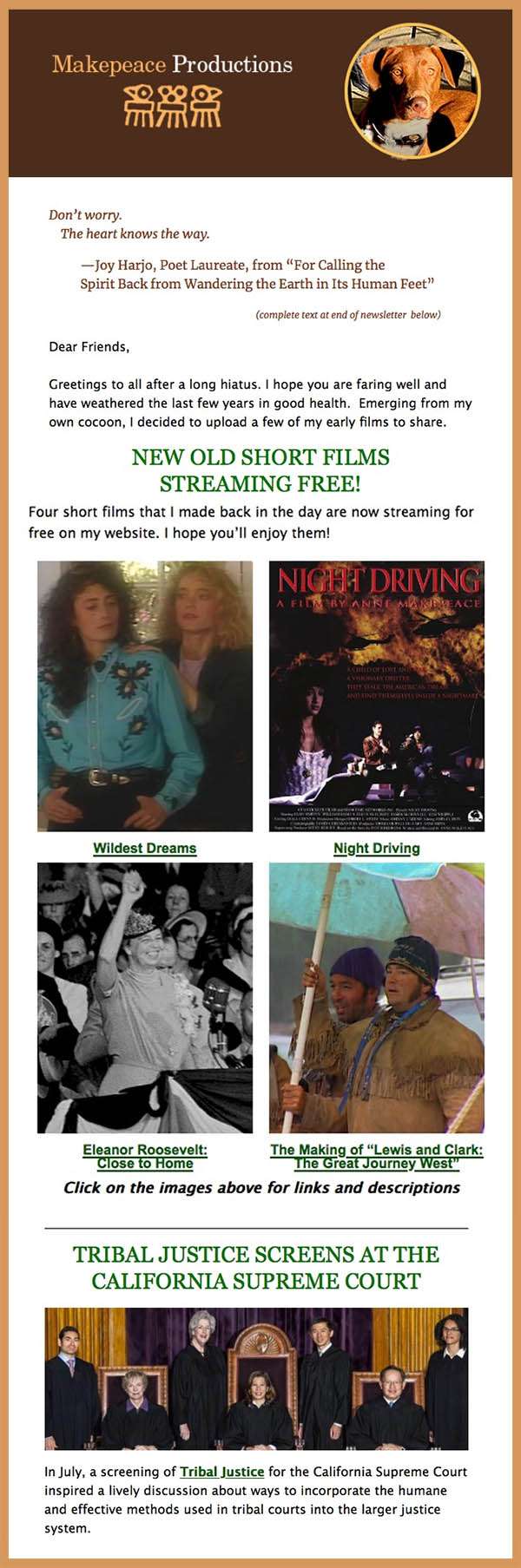
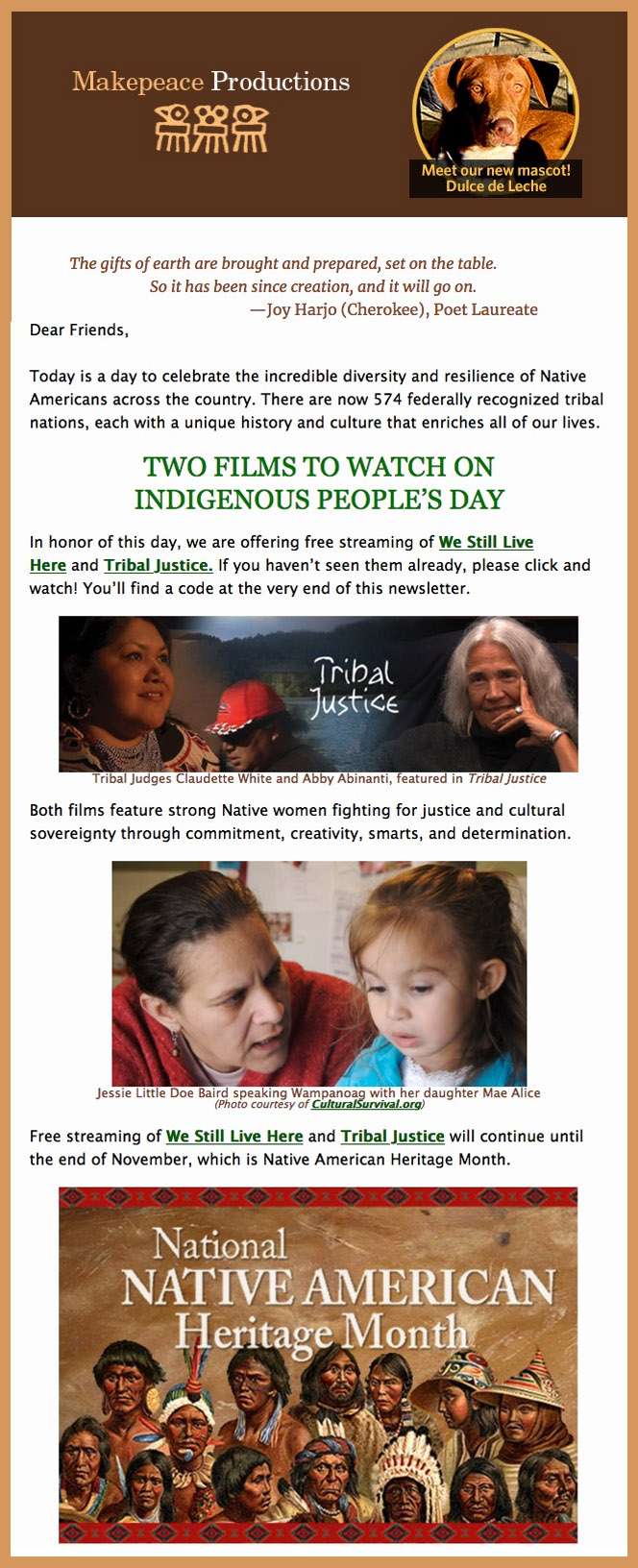
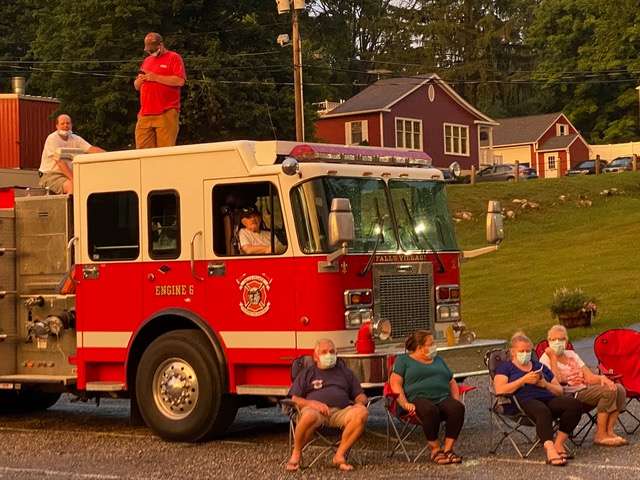
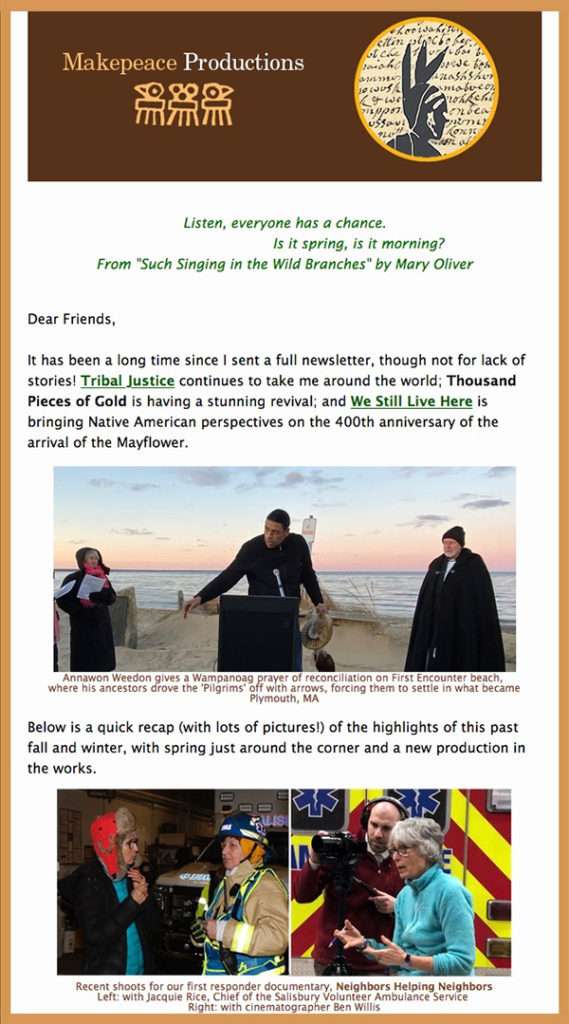
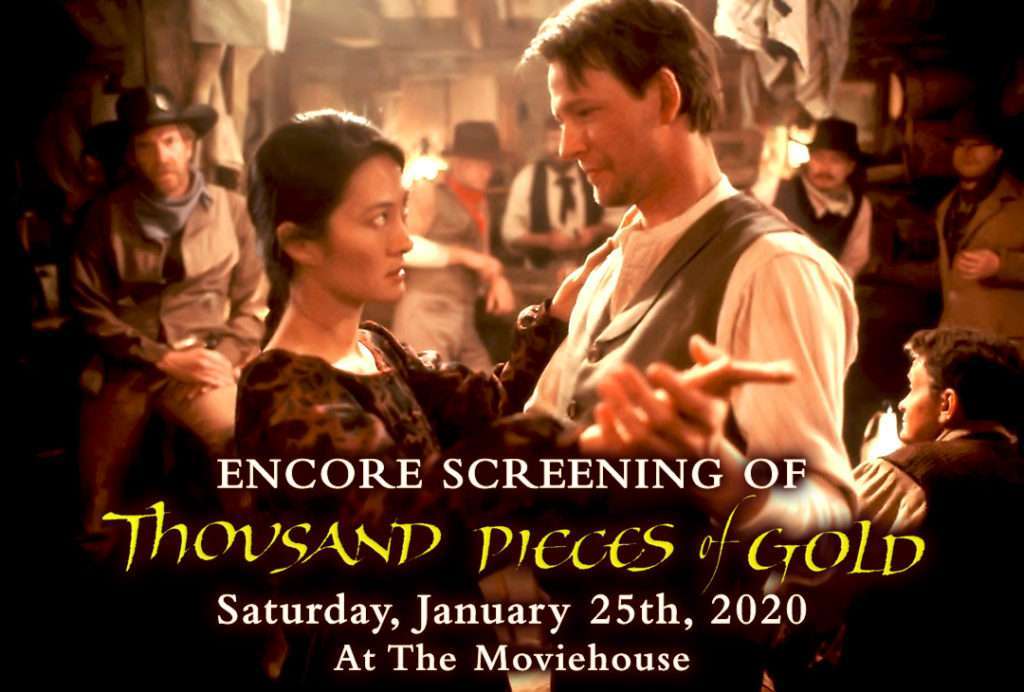
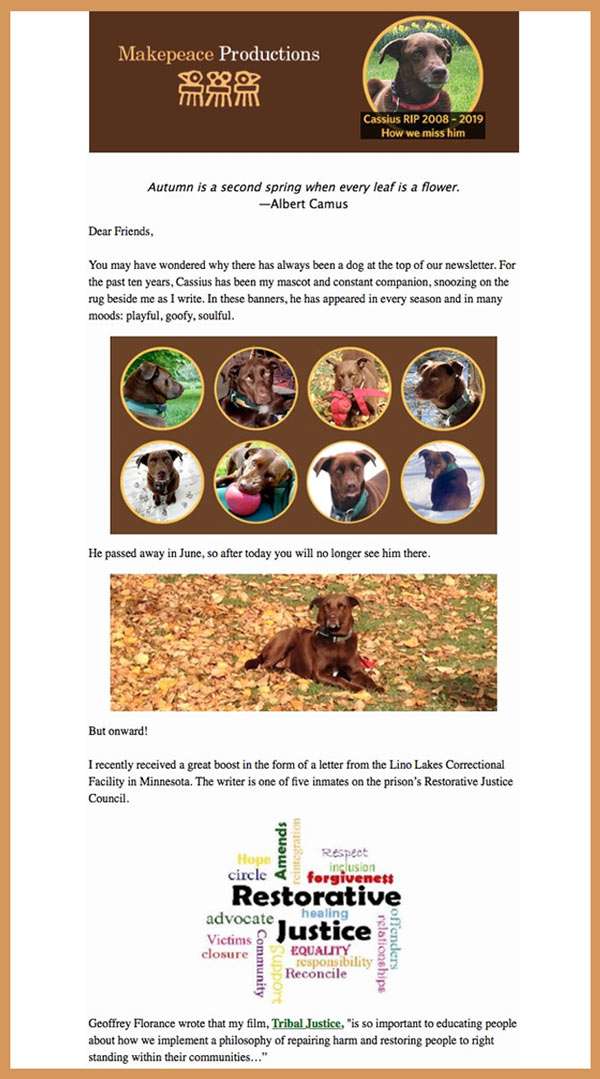
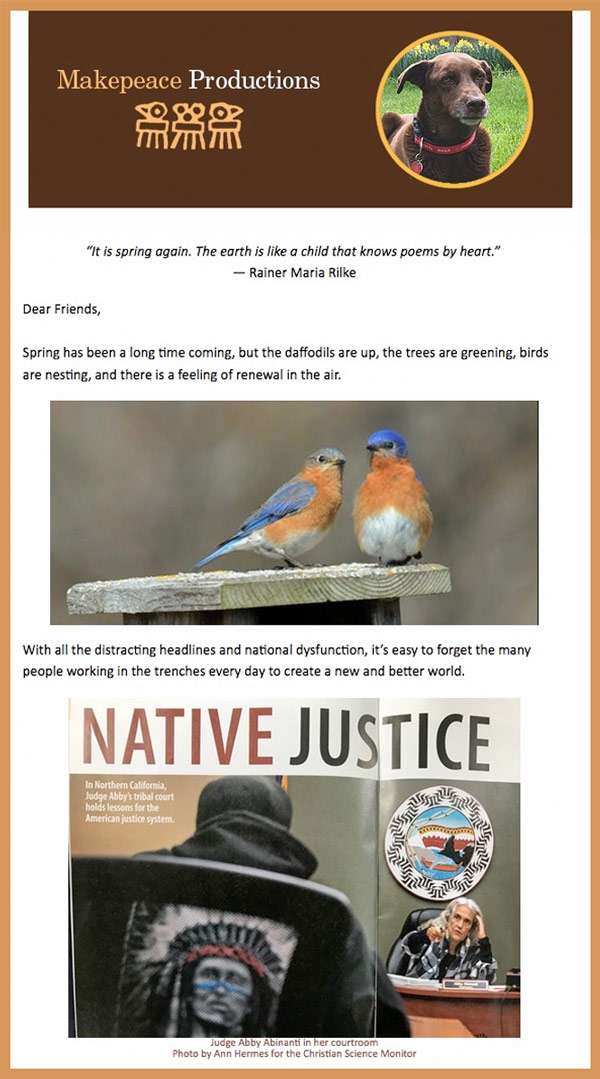
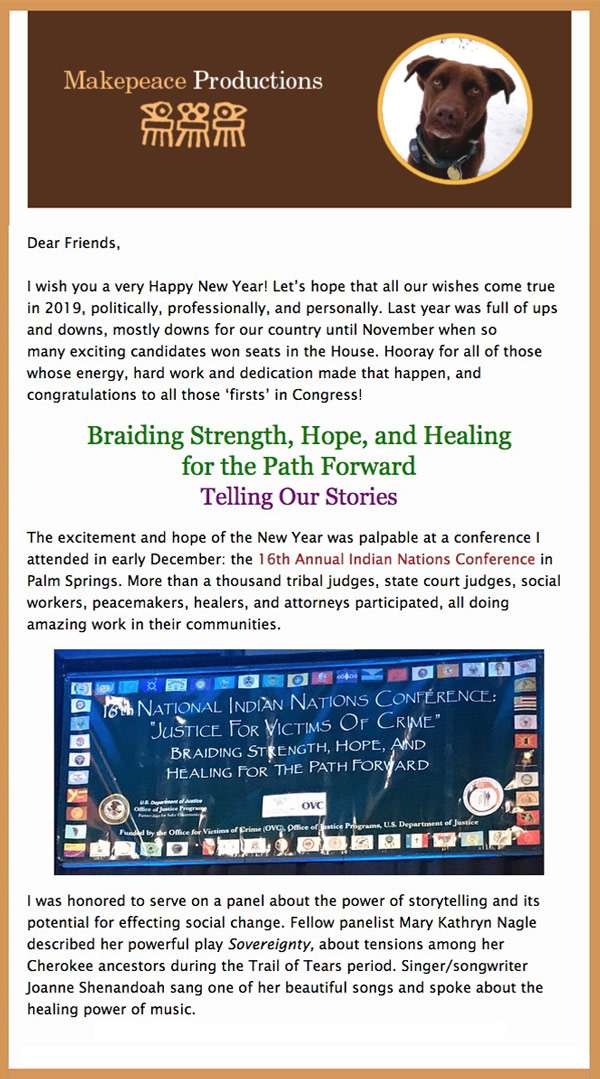
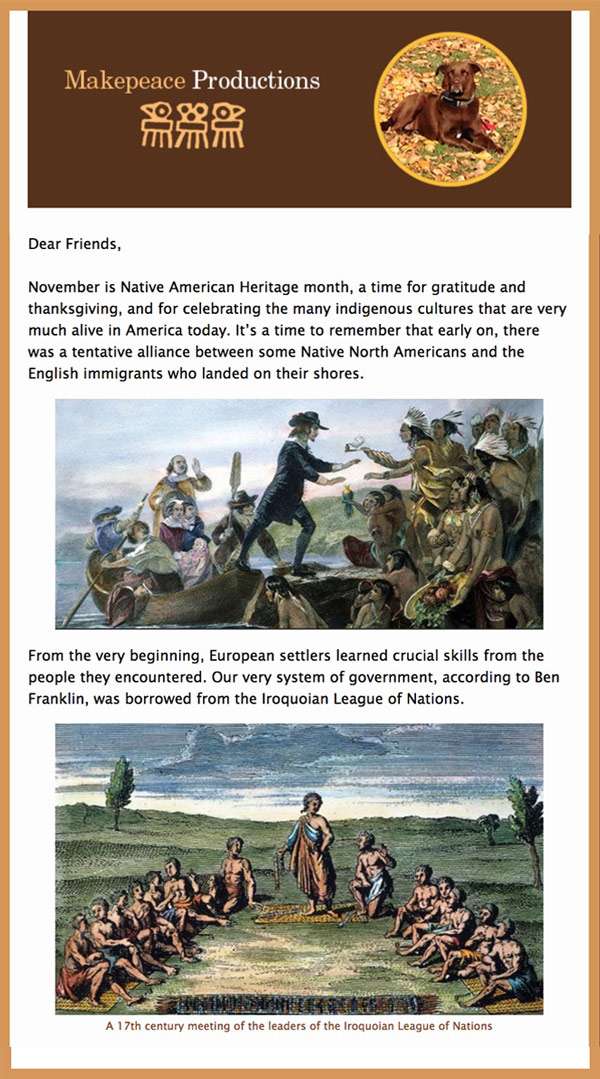
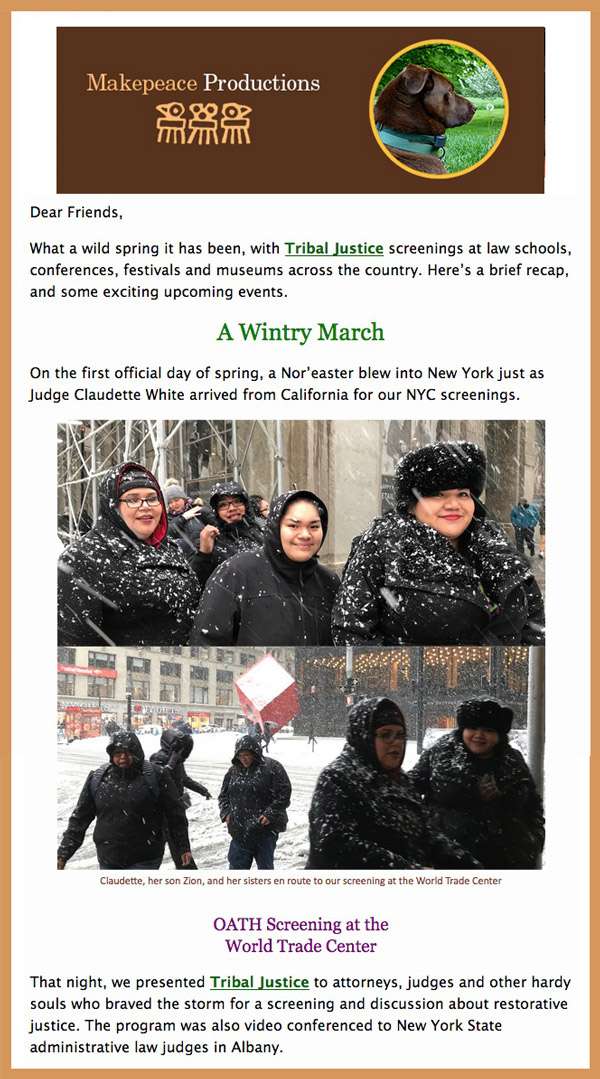
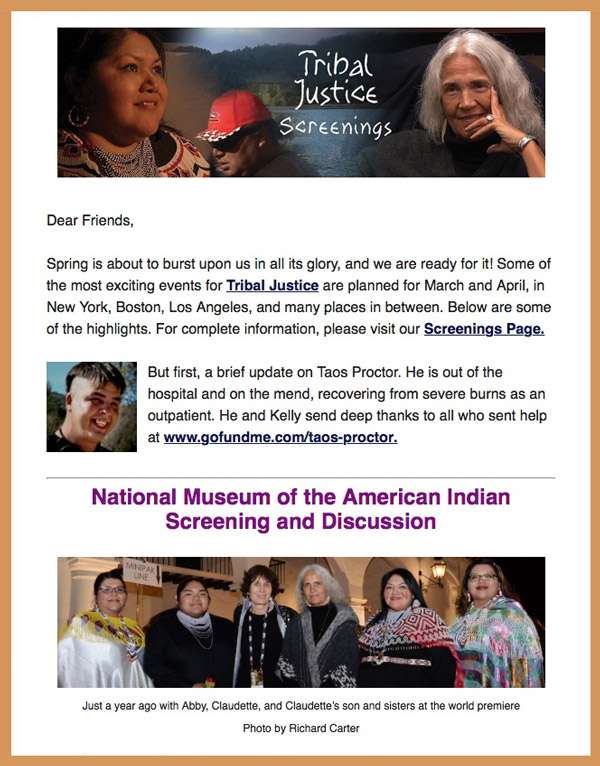
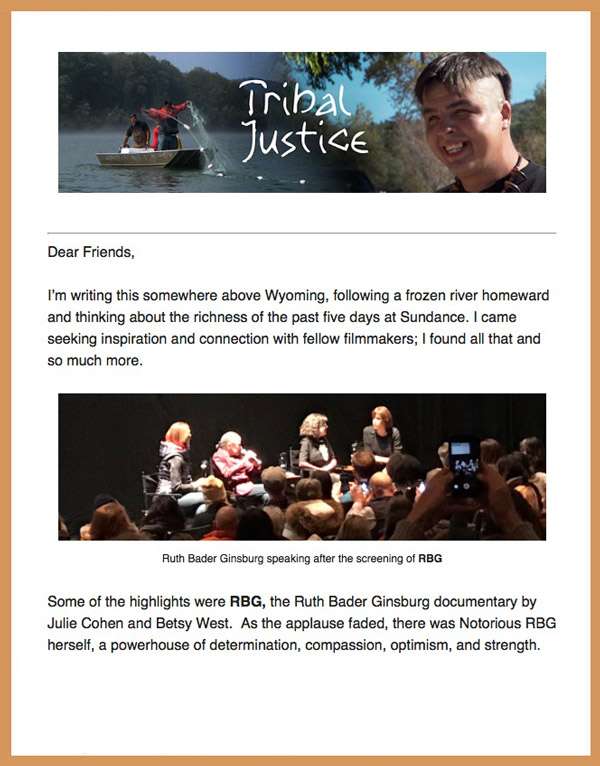
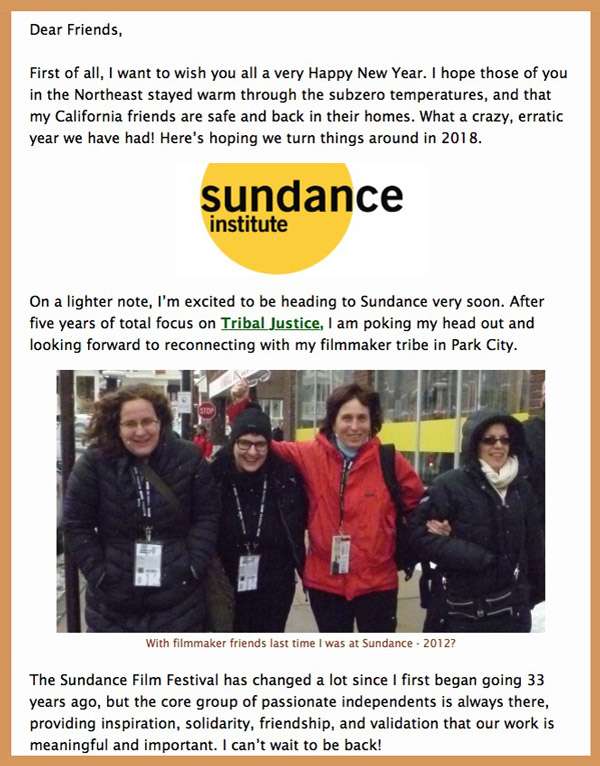
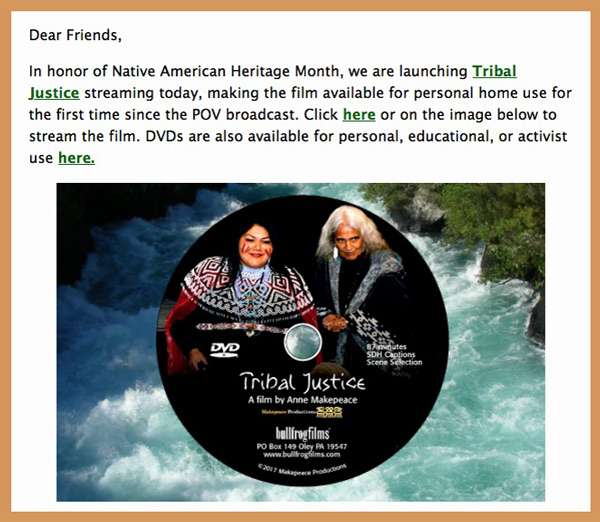
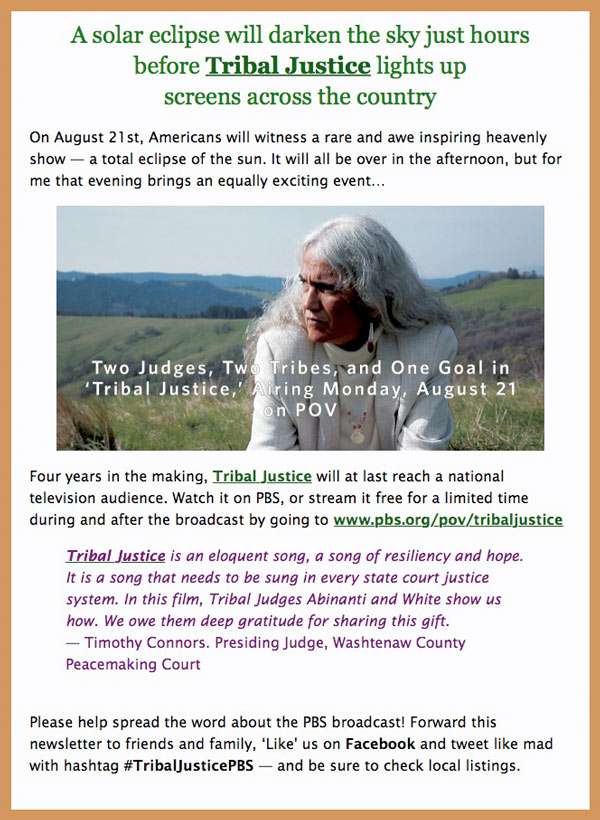
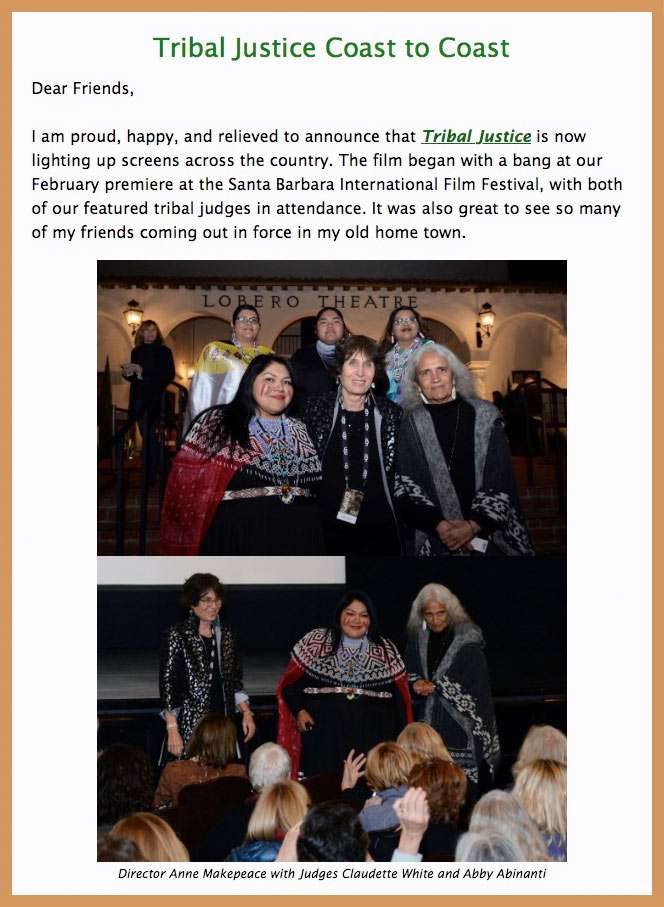
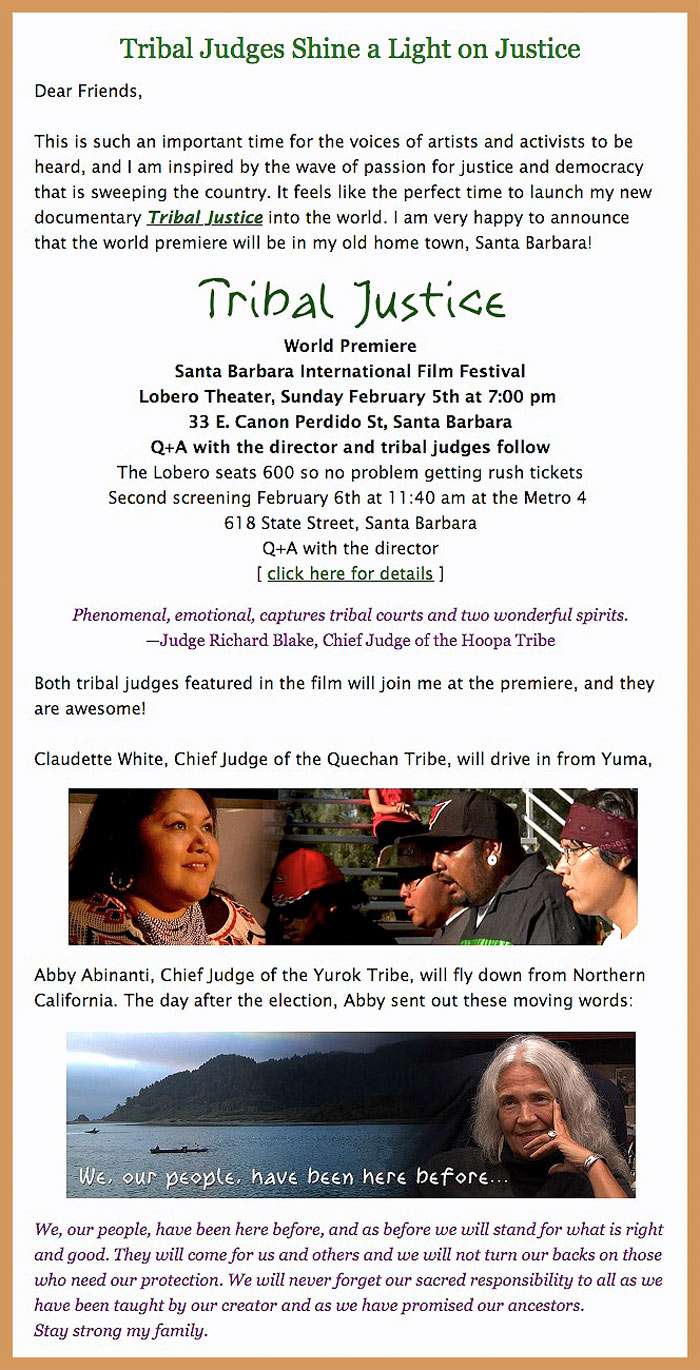
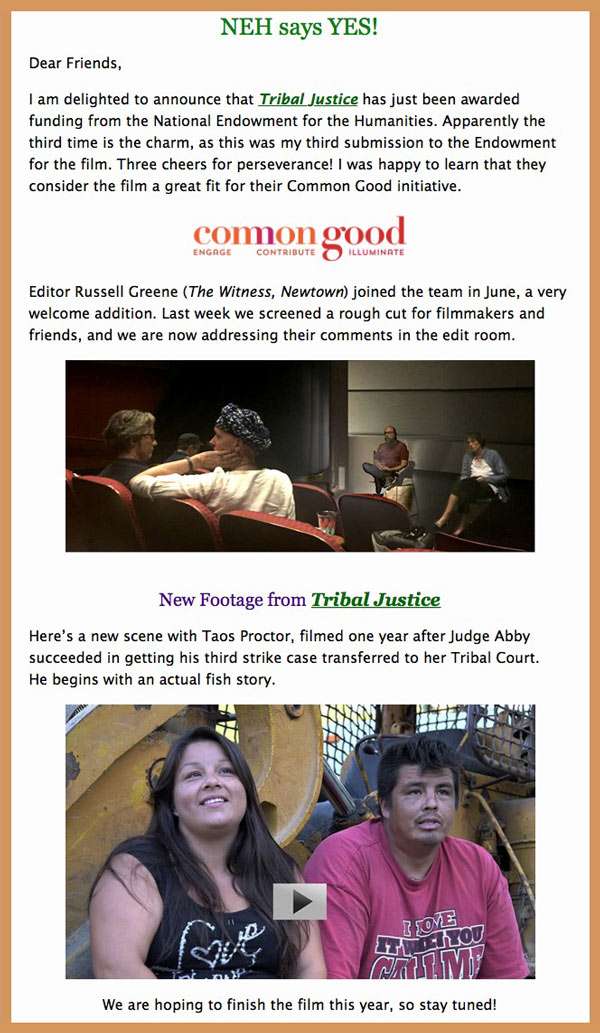
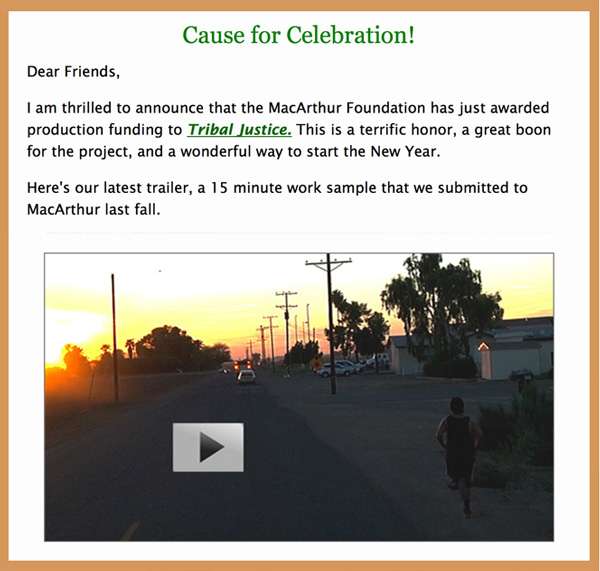
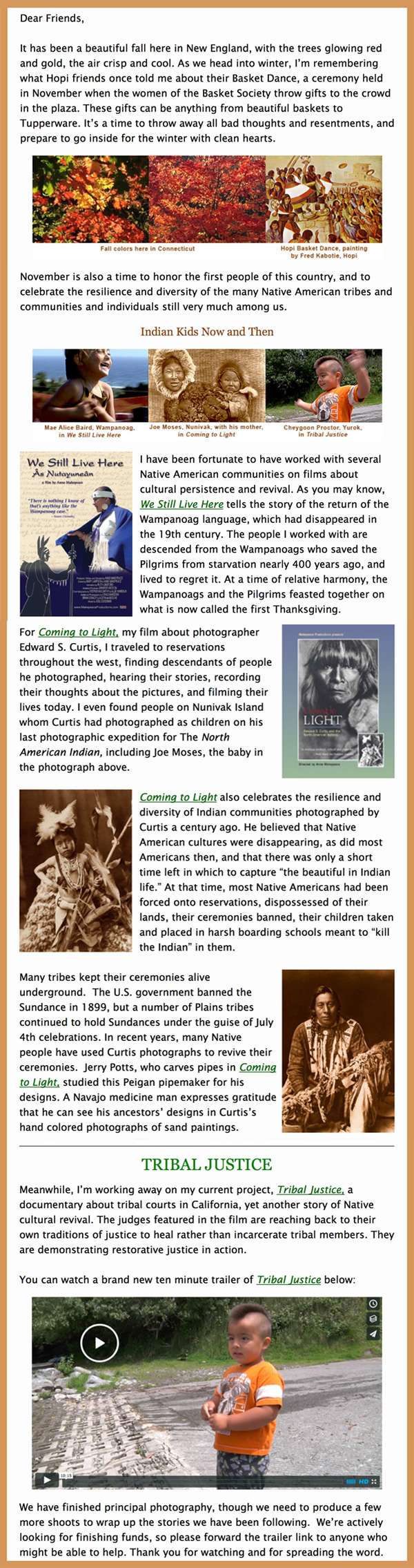
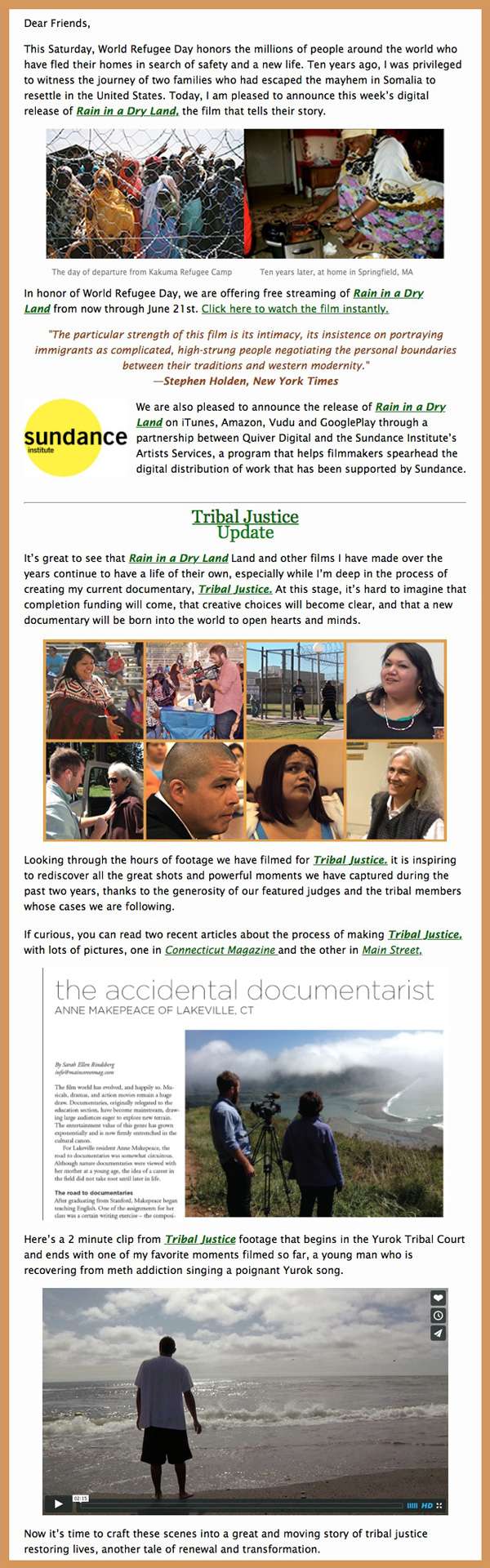
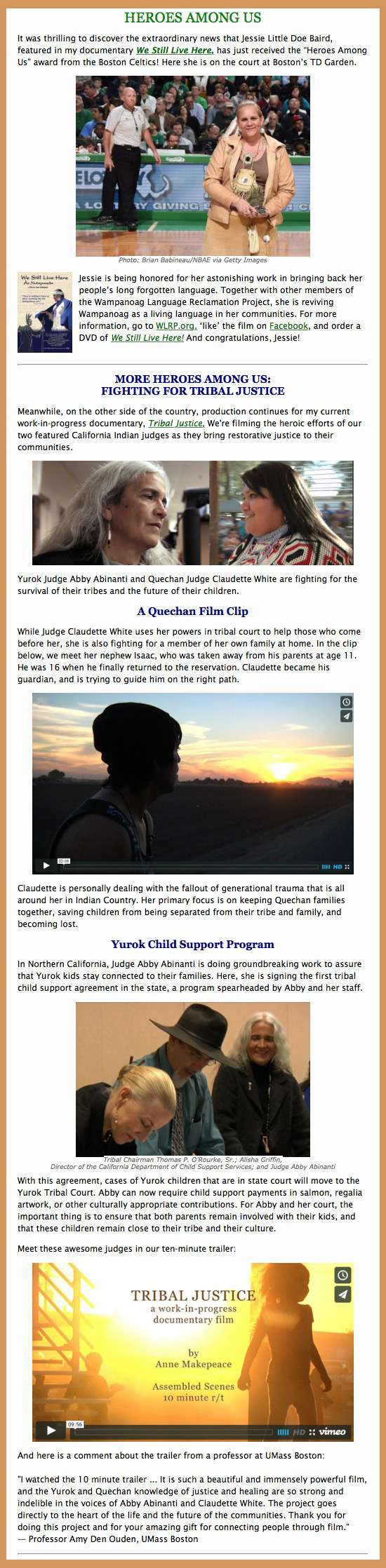
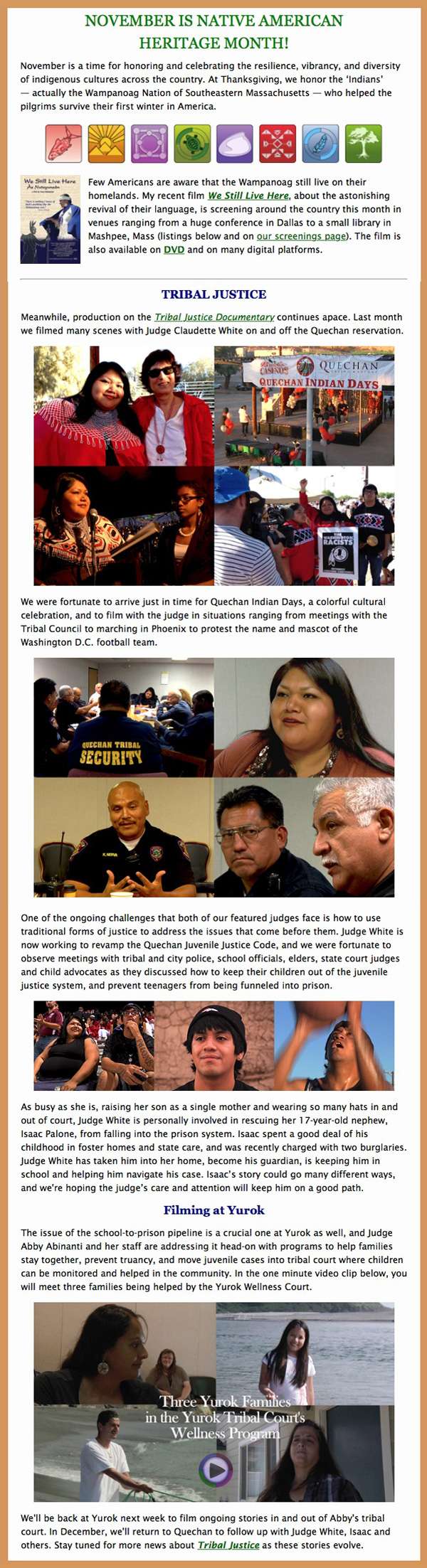
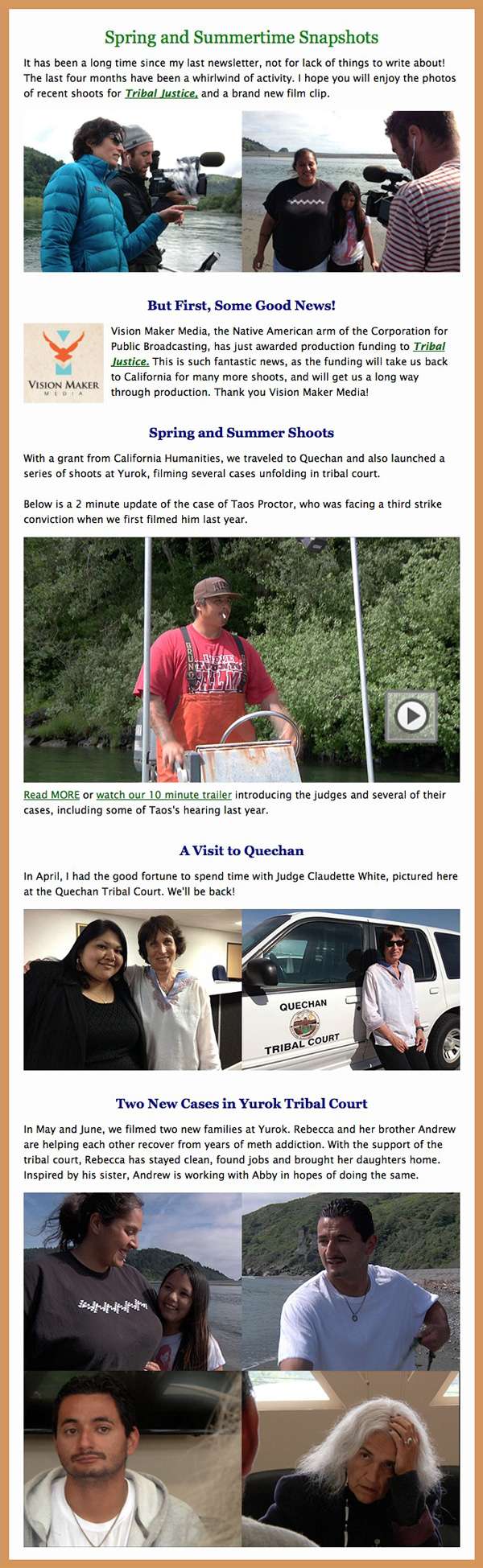
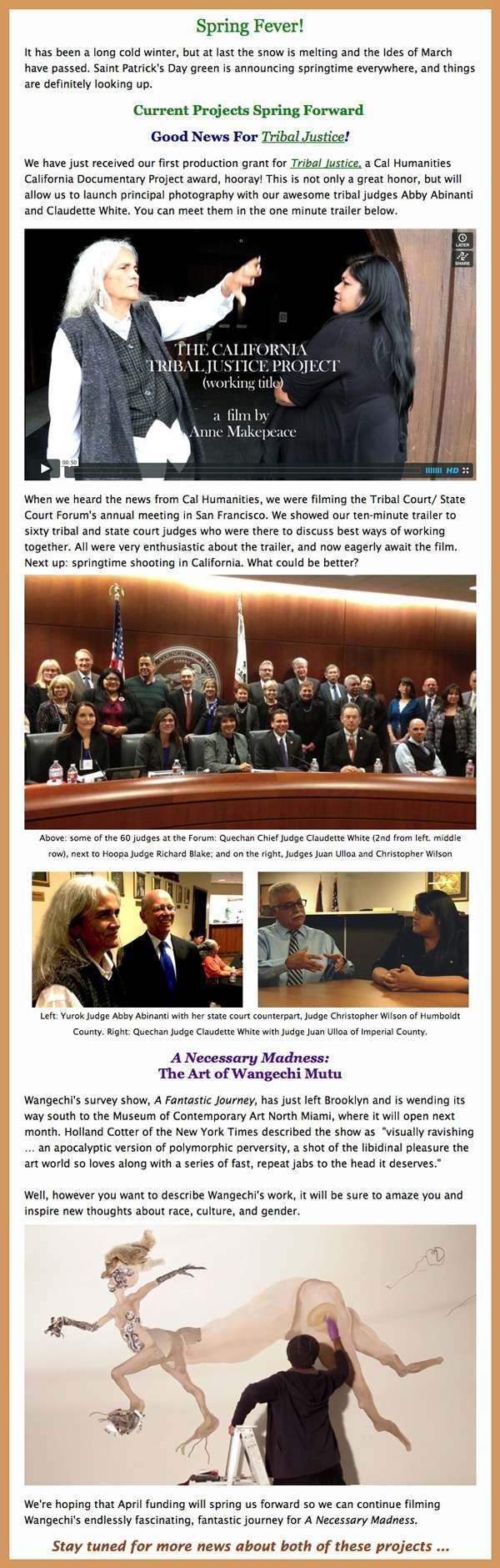
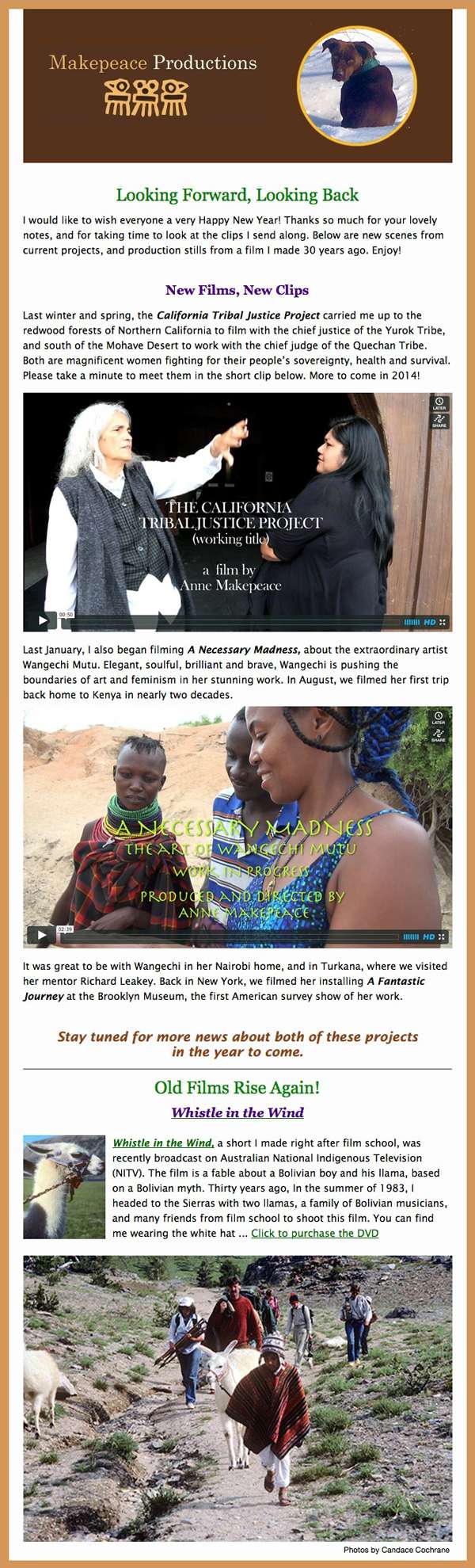
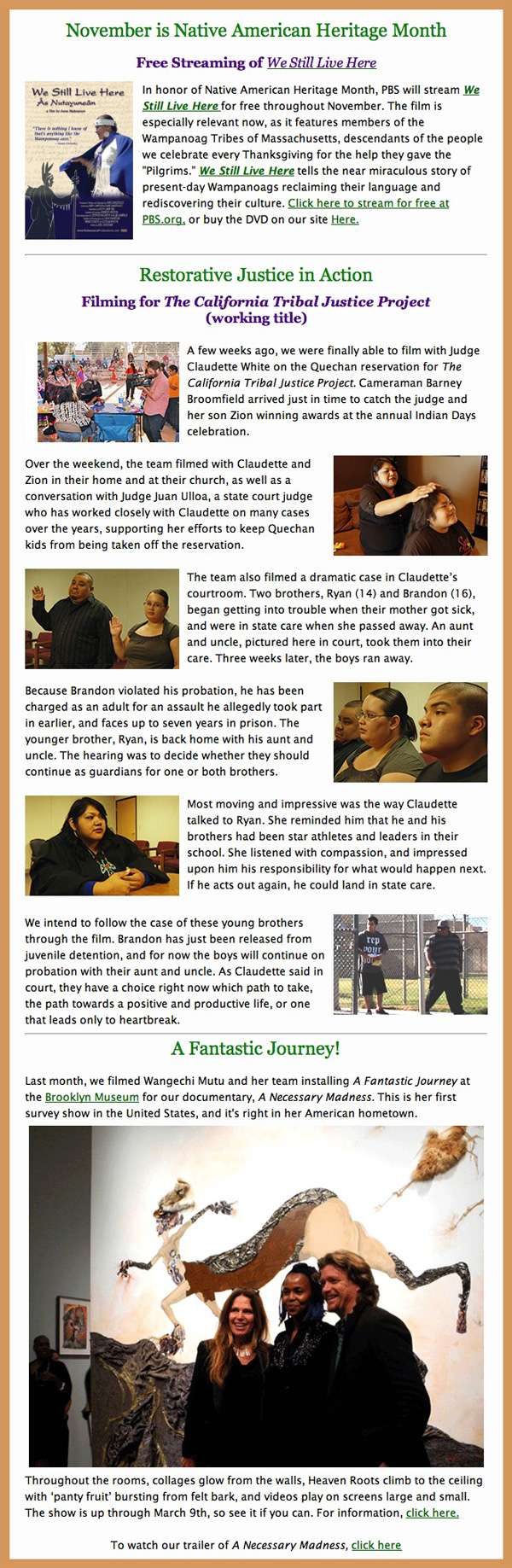
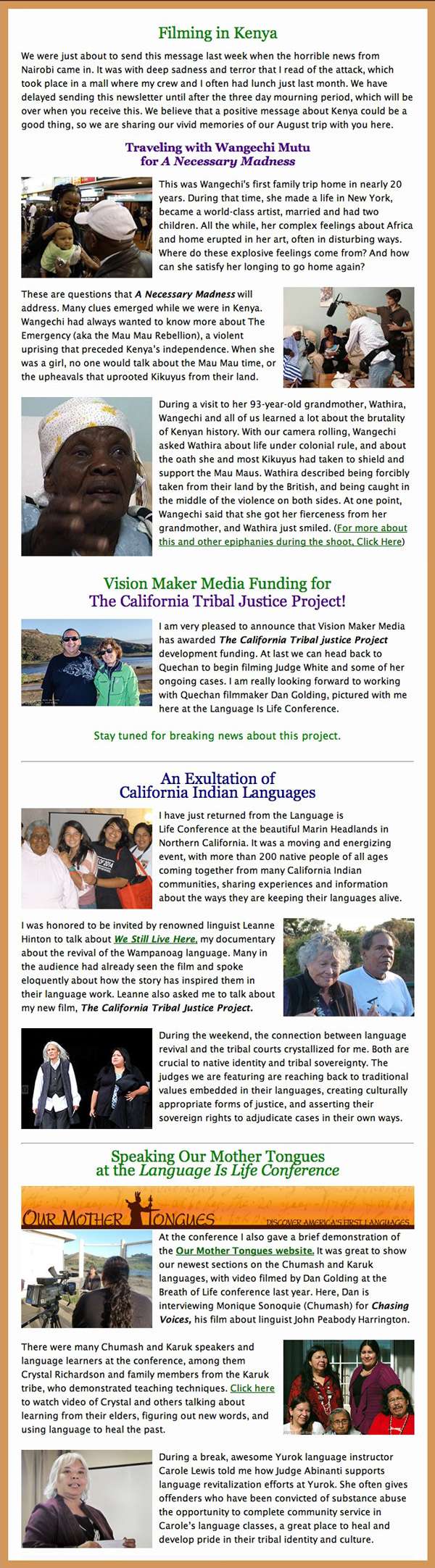
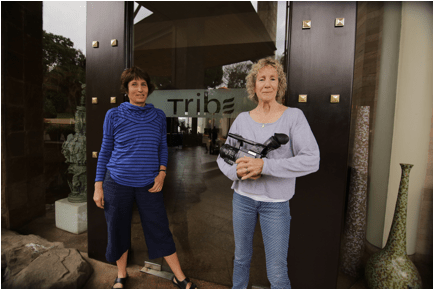
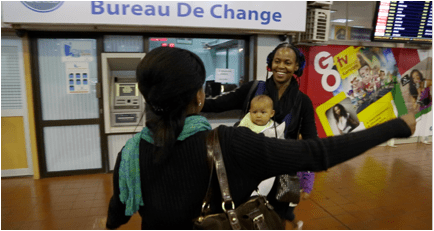
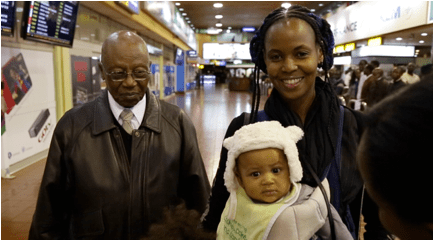
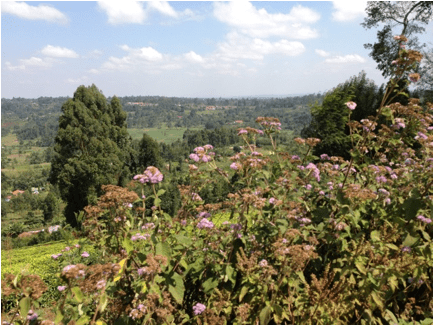
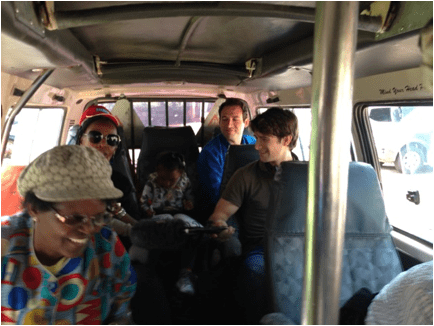
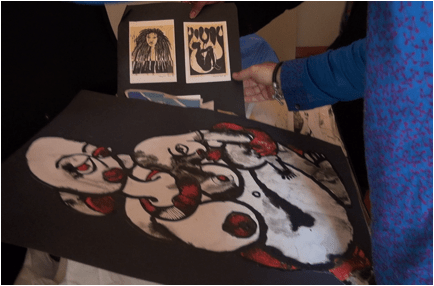
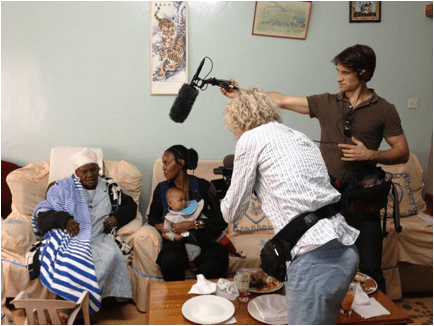
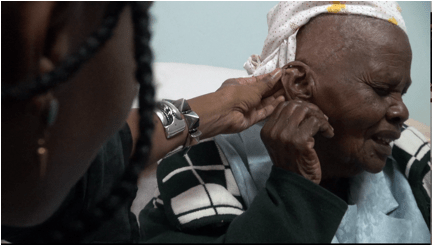

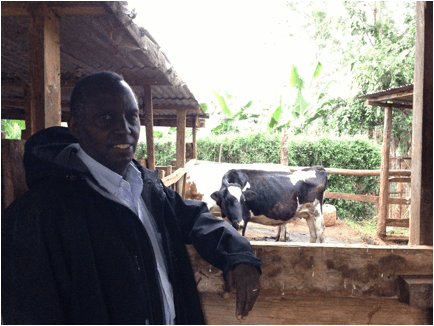
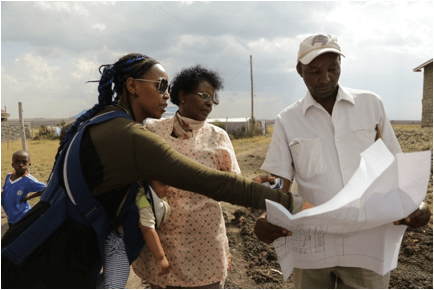
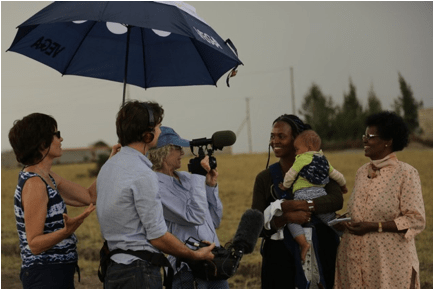
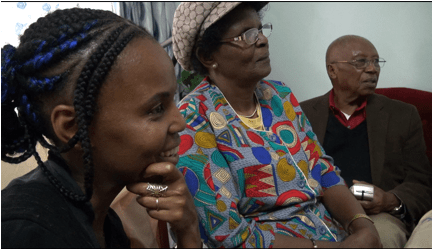

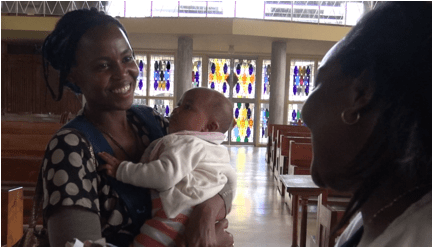
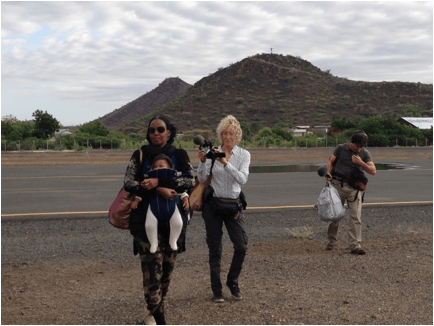
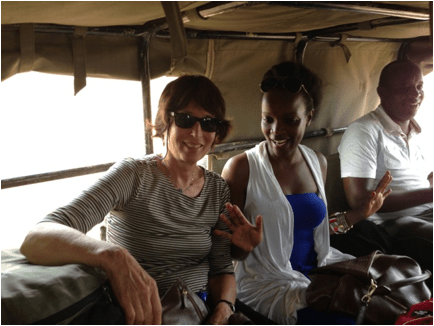
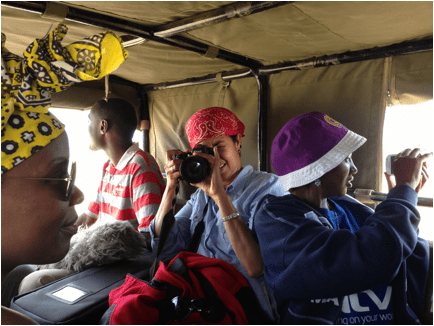

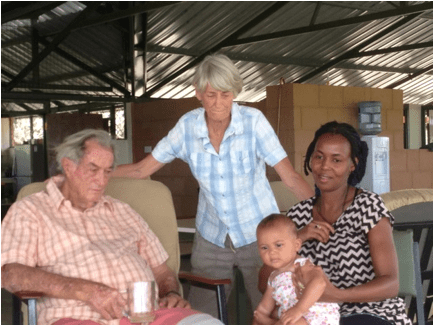
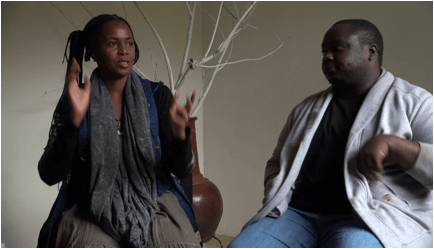

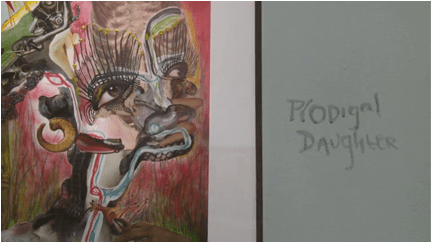
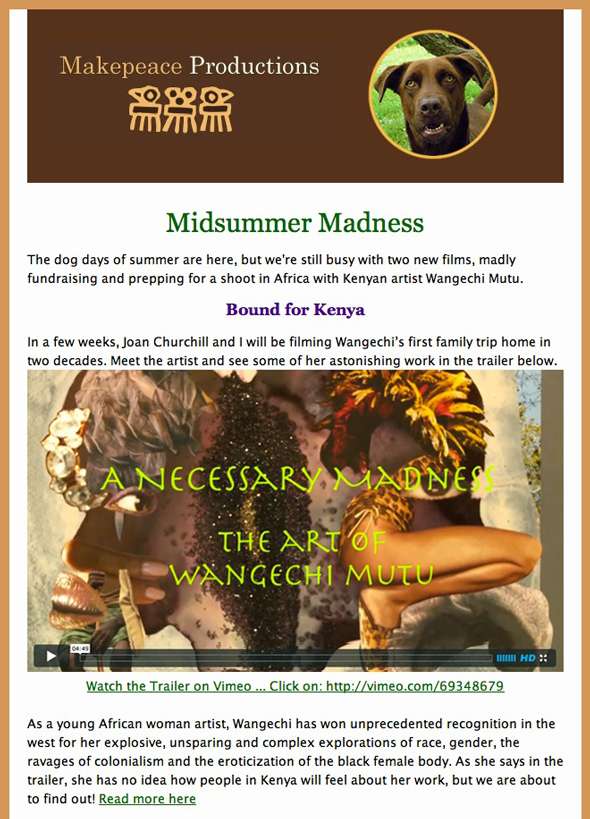
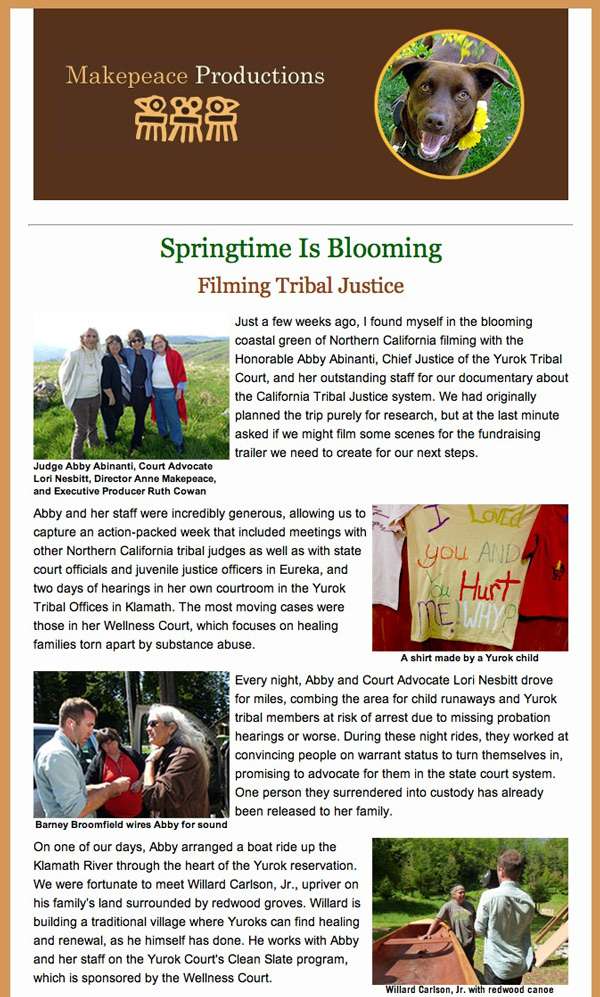
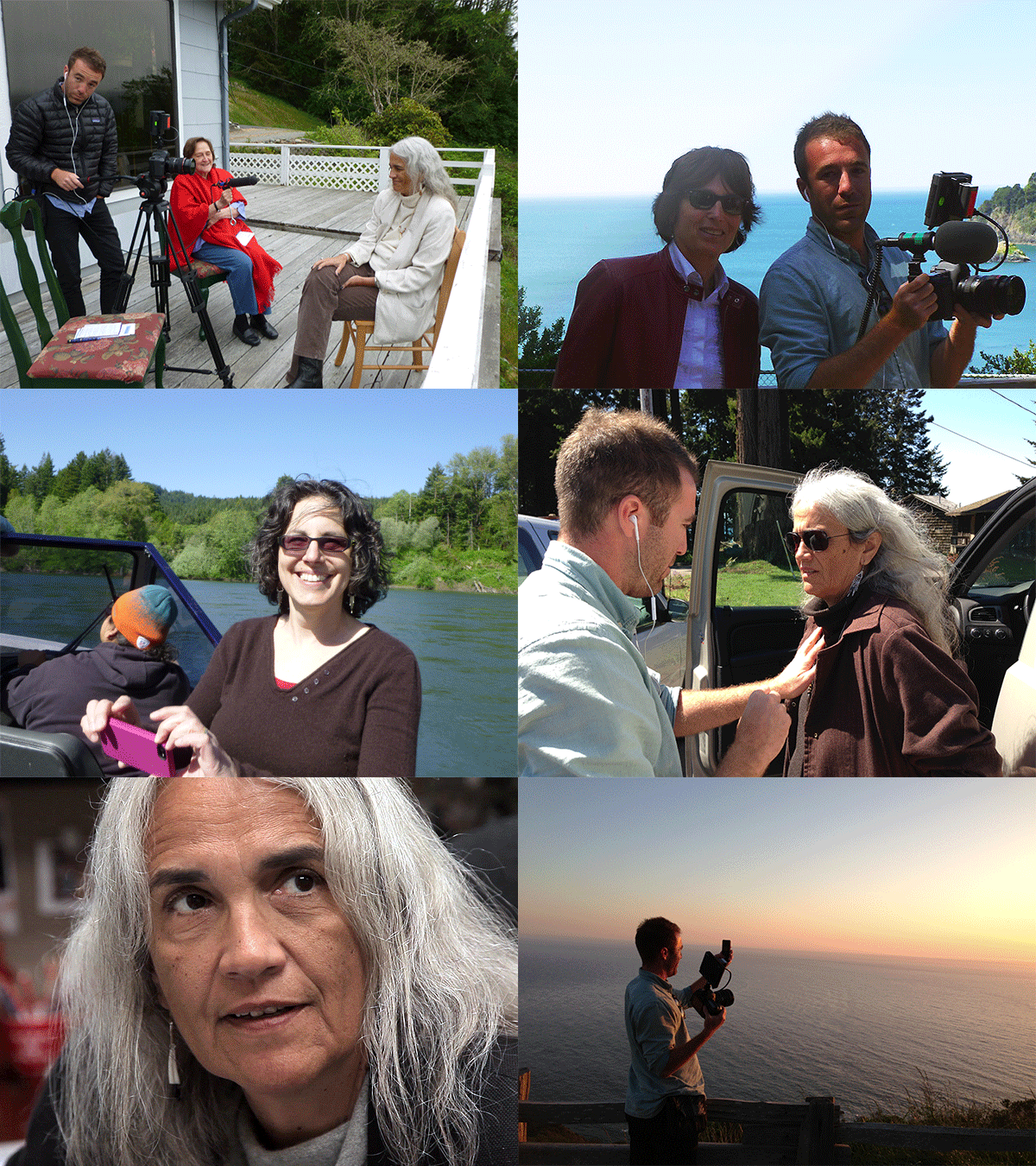
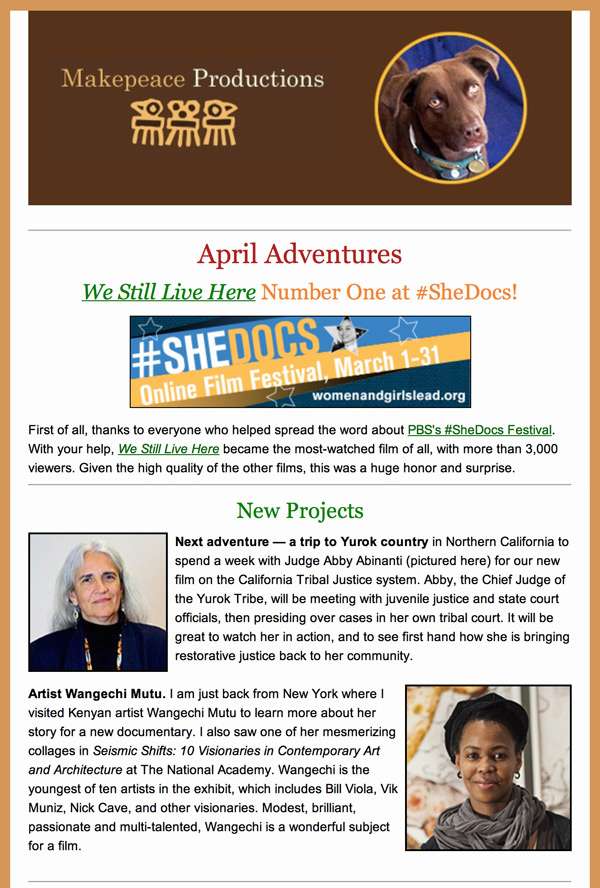


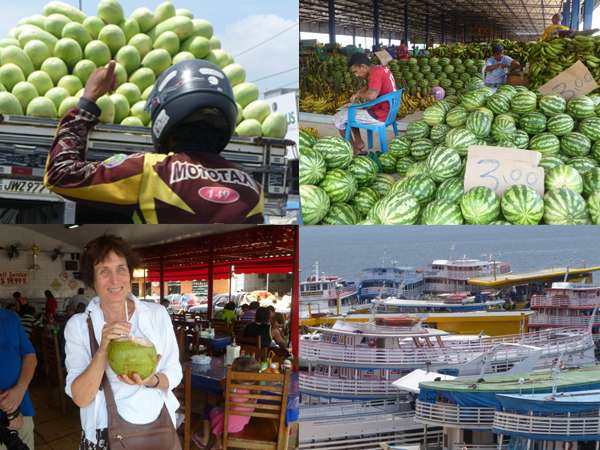
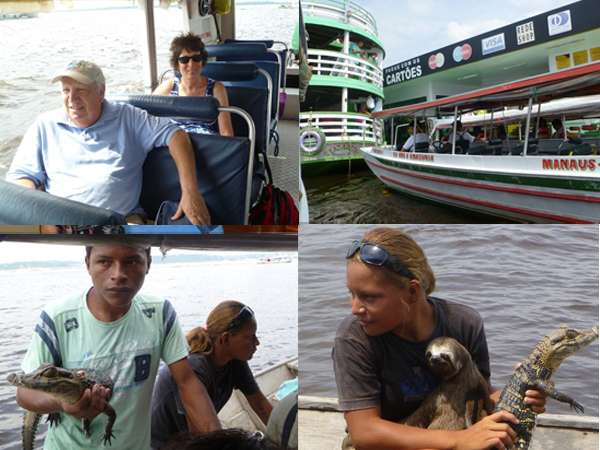 In the early evening we had our Amazonas Film Festival screening of We Still Live Here at the Teatro Guarany, part of a cultural center in a beautiful old Palacio built by an Austrian rubber barren in the 19th century. Of course the Guarany are an indigenous tribe of Paraguay and Brazil, so the name of the theater was very appropriate for the film.
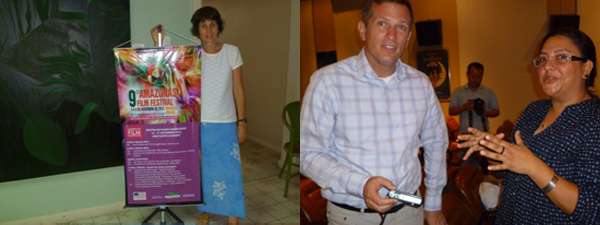 To my amazement, Jeff had brought copies of a beautiful book on Edward Curtis called Sacred Legacy to give as gifts to our hosts. He had no idea that I had actually written the afterword to to the book a few years after
 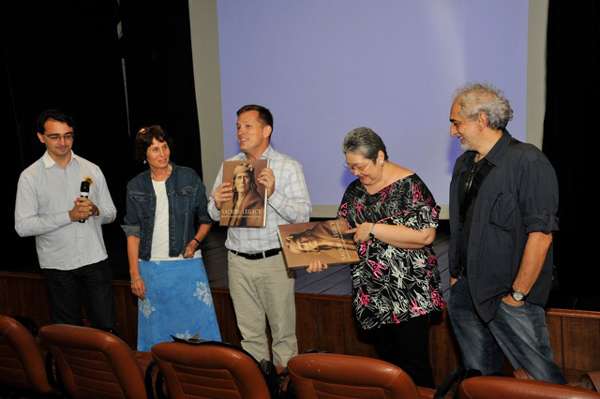 The screening was truly awesome! Our host Suzy Osaqui had done a heroic job of publicizing the event, so we had an excellent crowd despite the fact that it was the Saturday of a six-day weekend.
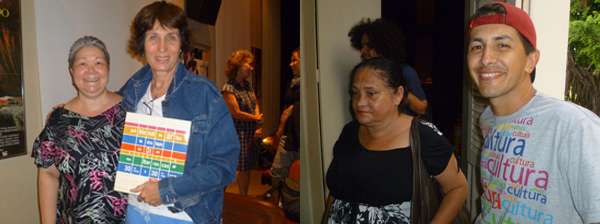 The film clearly struck a chord with regard to indigenous issues here in Brazil. One person (pictured below with microphone) spoke of an Amazon tribe that years ago had hidden out in the midst another tribe, successfully pretending to be extinct so they would be left alone. Through the decades, they had retained their language and culture, and now were revitalizing it among their people and letting it be known that they are still here. The speaker seemed elated that a similar story to We Still Live Here was happening right here in his country.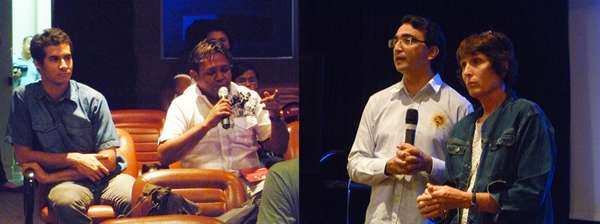
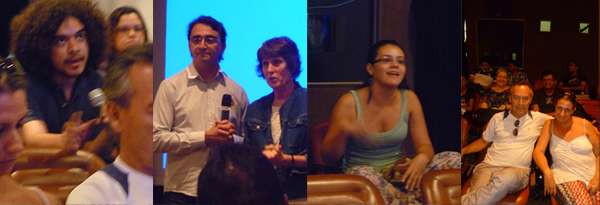 A psychologist in the audience, who was clearly very moved by the film, said that by letting the souls of the Wampanoag shine through, my own soul shone through, and that in doing this I was helping to restore them. That was a bit too much for me; I said my job was to just get out of the way and let the story unfold. … Kudos to the Brazilian interpreter, who did a fantastic job.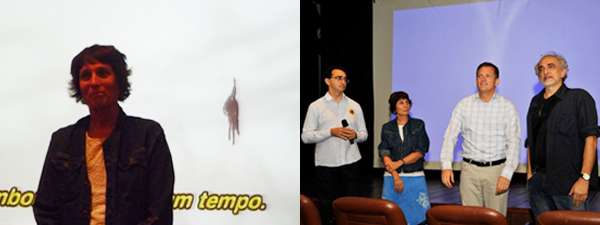
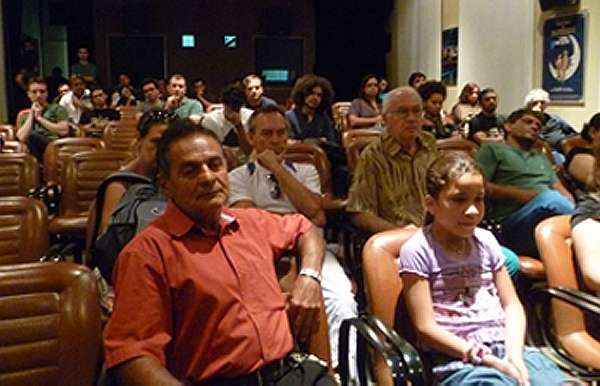 After the screening, exhausted and elated, I relaxed a bit outside the Palacio, then rested up for our next adventure, a long trip into the Amazon rain forest to visit the Huni Kuin tribe.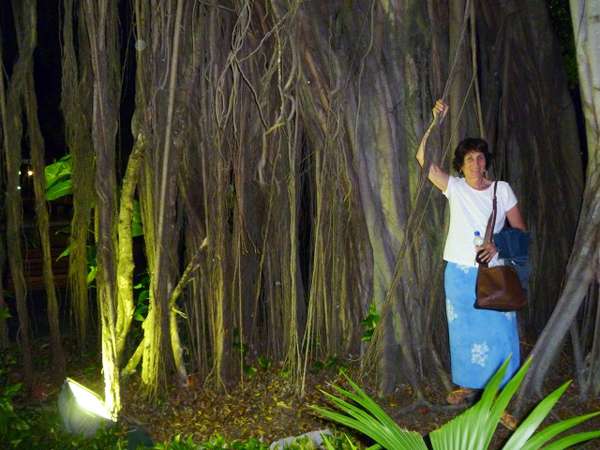
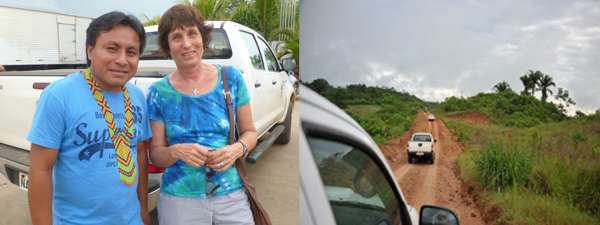 We received a wonderful warm welcome from the tribal members. Alan and I were traveling with Marcos Afonso, Director of the Library of the Forest in Rio Branco who had arranged the trip; two cultural attaches, John Matel and Angelina Smid, from the US Embassy in Brasilia; Amilton Matos, an anthropologist and linguist who works with the tribe; our enthusiastic translator Samuel Alves; and of course the wonderful Huni Kuin filmmaker, Zezinho Yube.
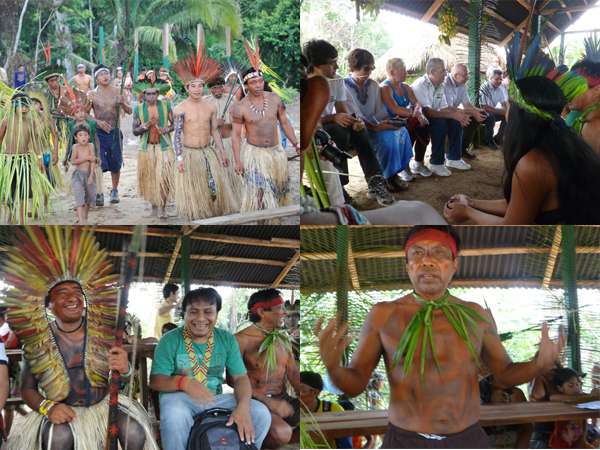 There were lots of speeches and oration, and then I was called upon to tell the group about
 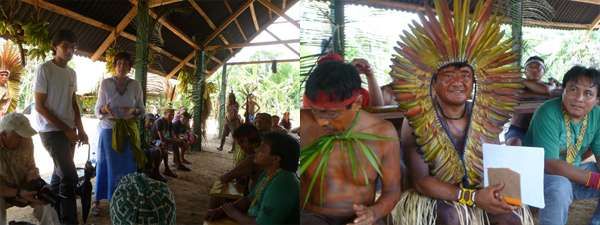 When the speeches were over, our US embassy host once again presented a gift of Sacred Legacy, a beautiful book of Edward Curtis photographs for which I had written the Afterword. Chief Assis Gomes and other Huni Kuin were interested in seeing Curtis’s images of their North American relatives.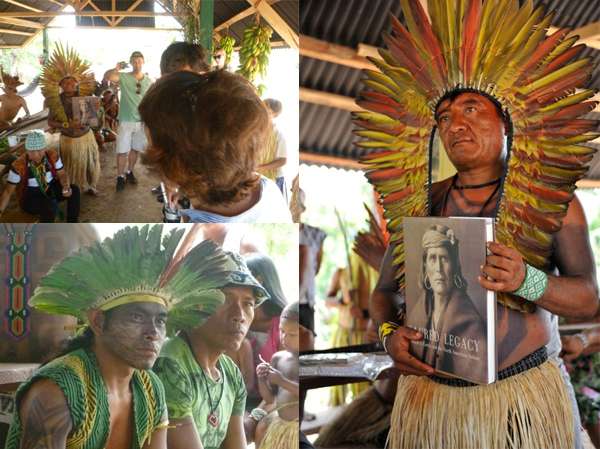
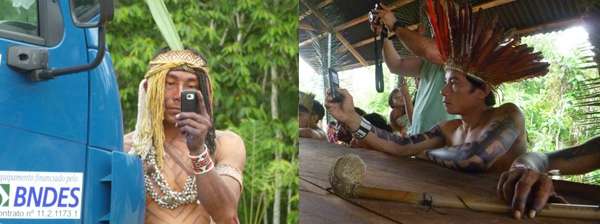
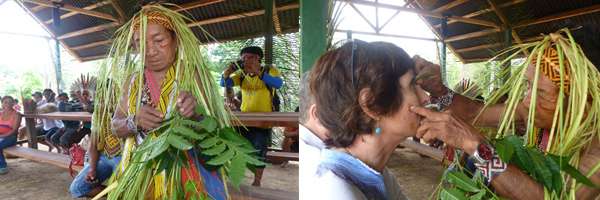 The Huni Kuin have only had protected land since 1972, and they are trying hard to reforest the parts of their reserve that were burned down by ranchers. They asked Marcos, John Matel from the American Embassy, and me to each plant a tree. This was really the most moving moment of the day for me.
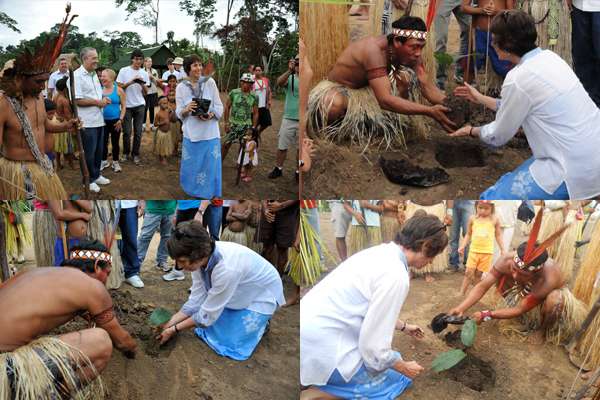 After lunch, the women gave a demonstration of their wonderful weaving techniques. After watching them, I looked closely at all the fabulously colorful designs they had woven into headbands, bracelets, necklaces, ankle bracelets, earrings, and clothing, all so intricate and beautiful.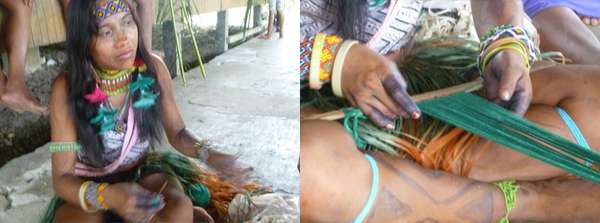
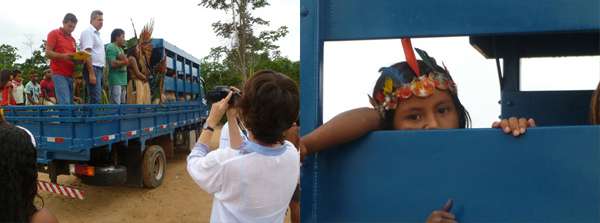
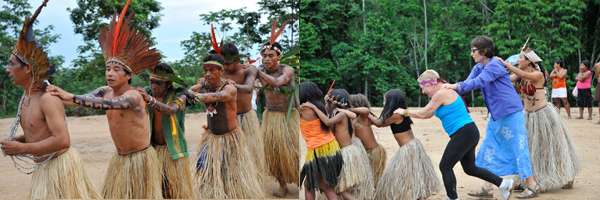
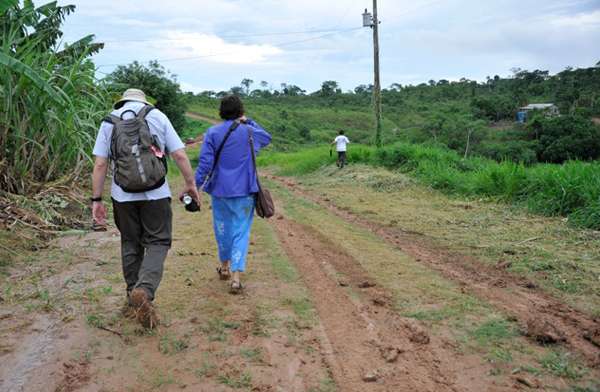
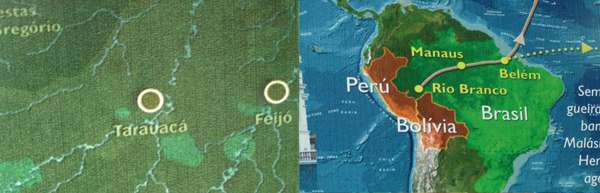
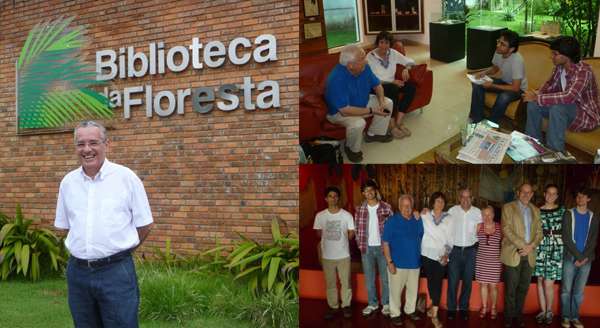 At around 2PM, Alan called to say that nobody had brought the subtitled film! Each of the two attachés from the embassy in Brasilia thought the other had it, or that I had brought it from Manaus. Panic! The screening was that evening; no film! What to do? Luciky, 1400 miles away in Brasilia, Jeff was able to upload the file at the embassy, our computer savvy translator Samuel Alves downloaded it and we had the film. But there were many tense hours before we knew we had something to show that night.
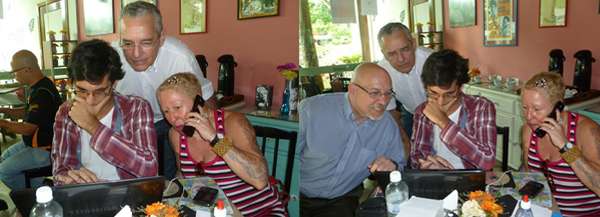 We were very fortunate to be in Rio Branco during the terrific Pachamama Film Festival, a festival that features films about indigenous communities.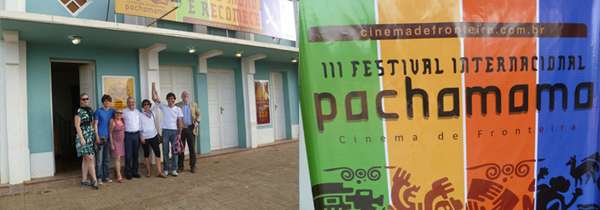
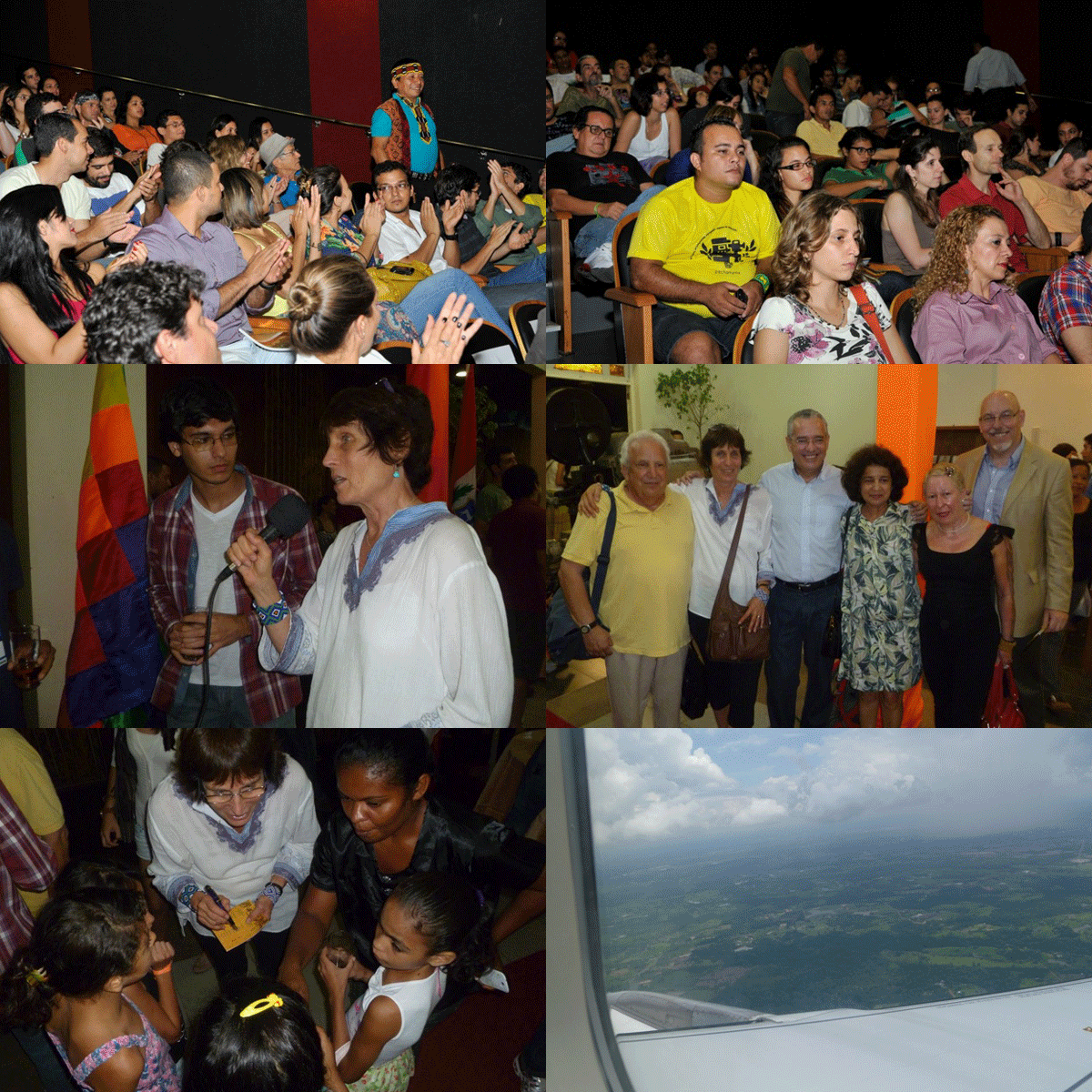 I think the film inspired many people in the audience to think about their own history of colonialism. On a more positive light, the current government is trying to return some of the land to forest, and has established protected areas for many of the indigenous communities. The film left the audience with a deeper appreciation of the huge diversity and the value of indigenous communities, and perhaps with a more profound understanding of the relationship between language and culture.
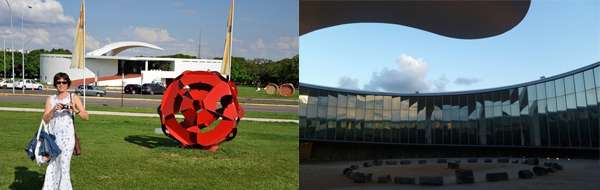 The Memorial is a beautifully done museum showcasing 55 of Brazil’s 280 indigenous cultures, with fantastic exhibits and continuously running films. It is built in a circle with an outdoor place for ceremonies in the center. The museum staff is working with many communities, and I was excited to learn that a major emphasis of both the exhibits and the museum’s educational programs is about preserving and revitalizing languages. I also learned from the exhibits that 70% of indigenous Brazilian languages have disappeared, so there is a true crisis of culture loss. I suddenly understood why the film was invited to Brazil; the story of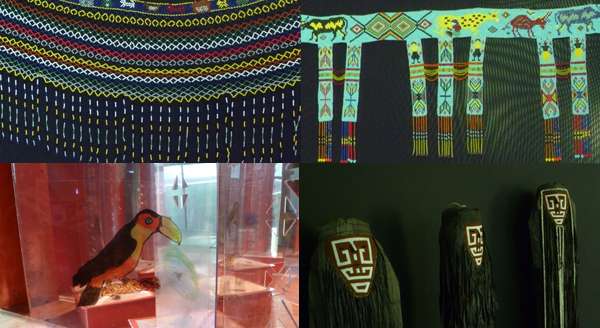
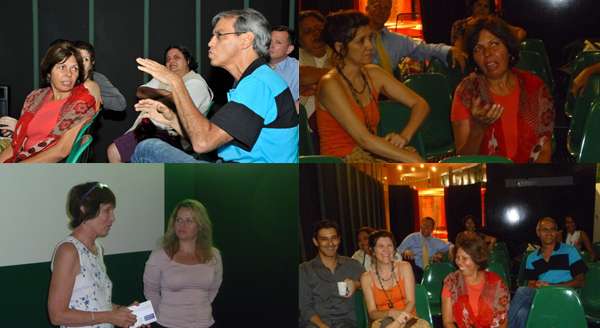 I was really happy to have someone from the indigenous community of Karaja near Mato Grosso in the audience — Maria Espirito Santo Borges Takahashi, what a wonderful name! She was just glowing with enthusiasm after the screening, and her comments were profound and moving. Here she is looking for, and then finding, the name of her community among the hundreds written on the wall of the museum.
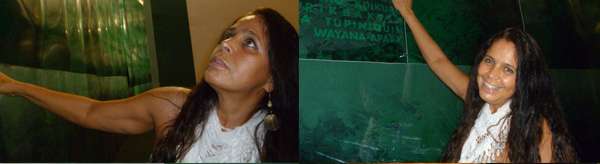 Jeff Lodermeir, our host from the embassy, presented a copy of Sacred Legacy to Tania Primo, the wonderful director of the museum, with our terrific interpreter Claudia Chauvet looking on.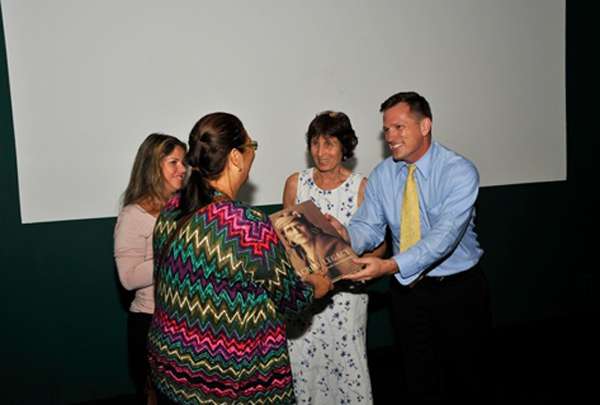
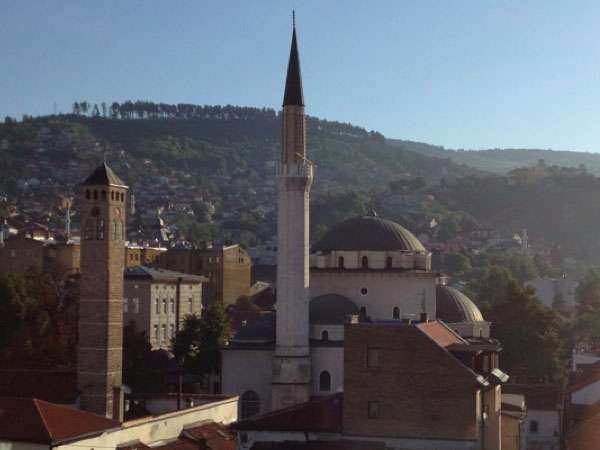
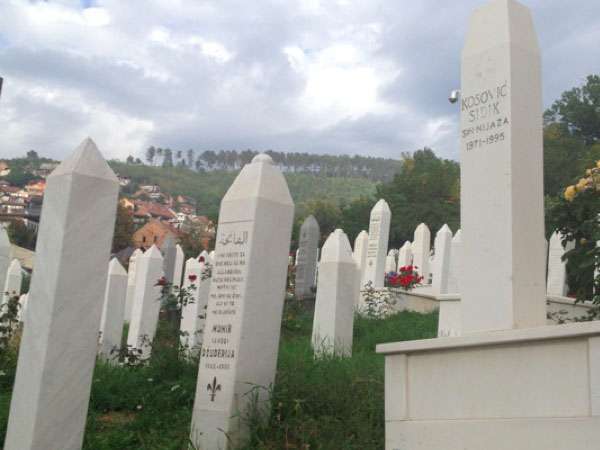

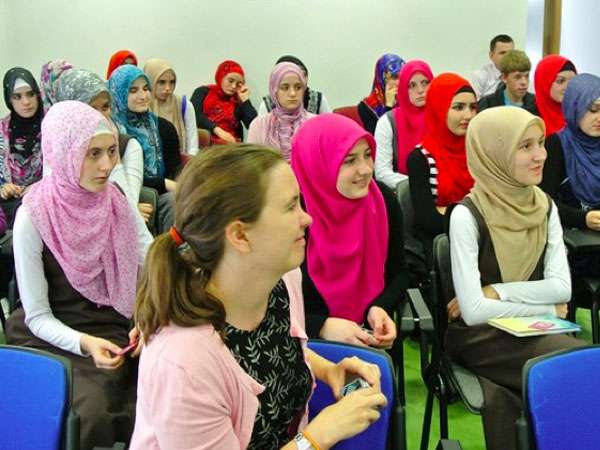
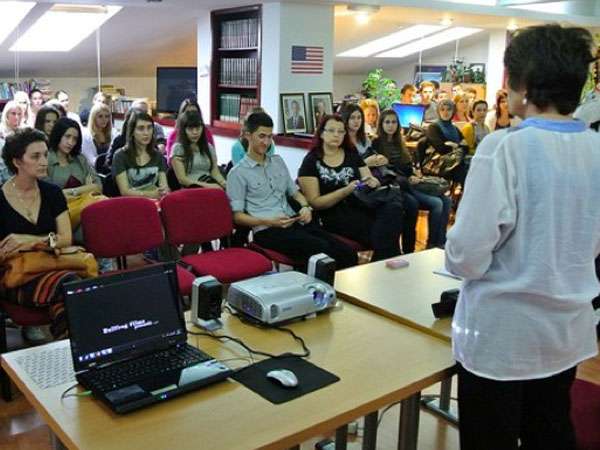
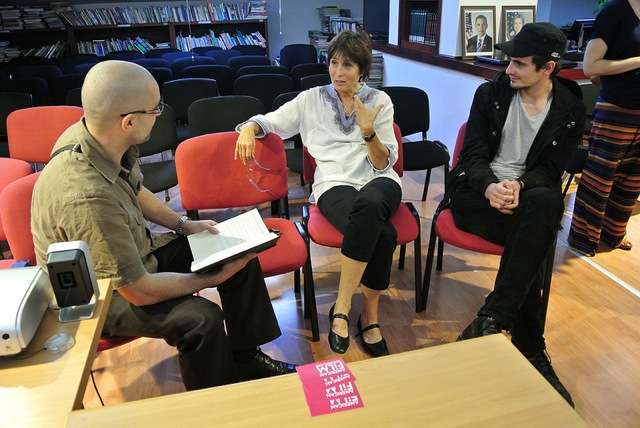
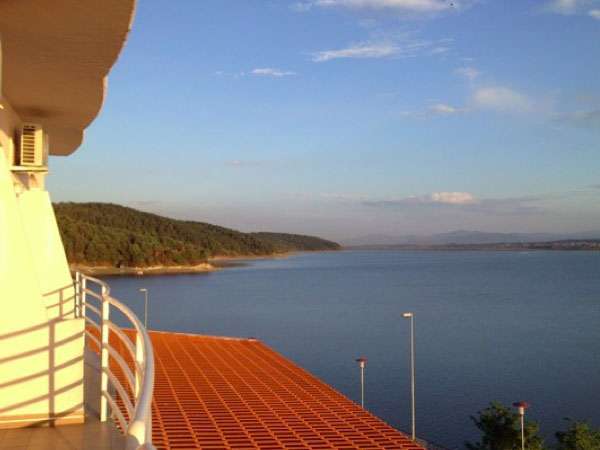

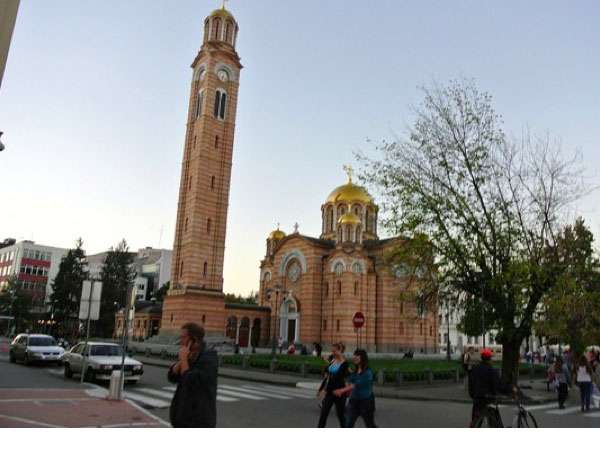


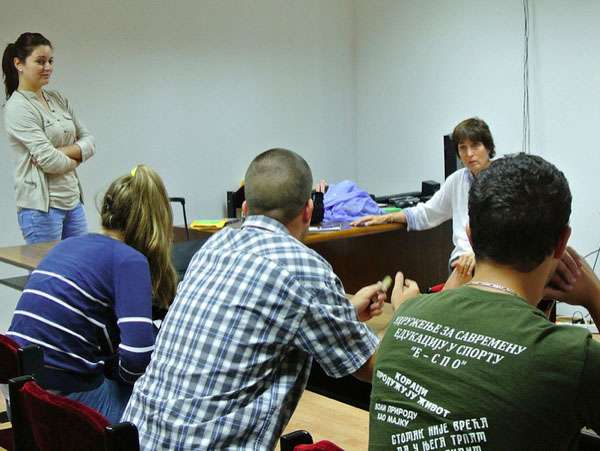
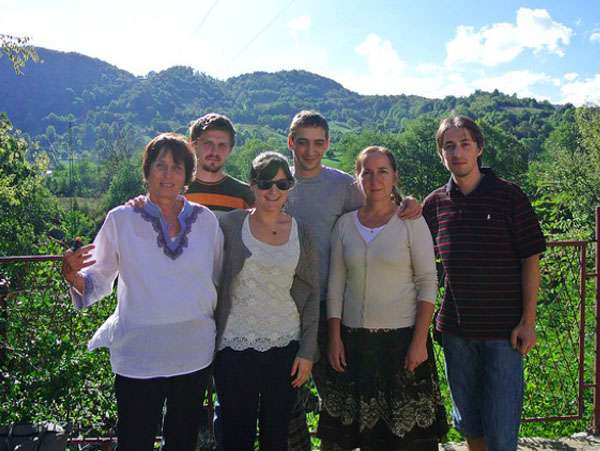
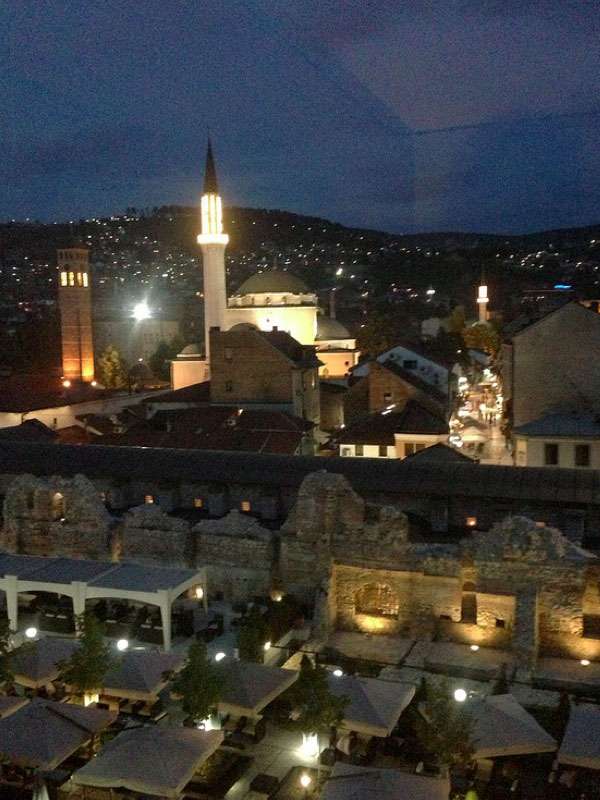
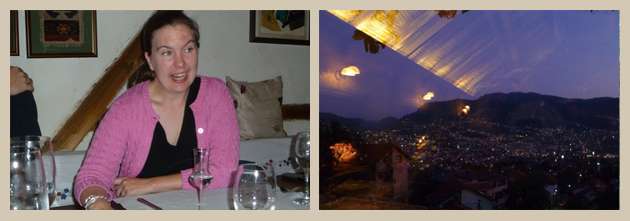
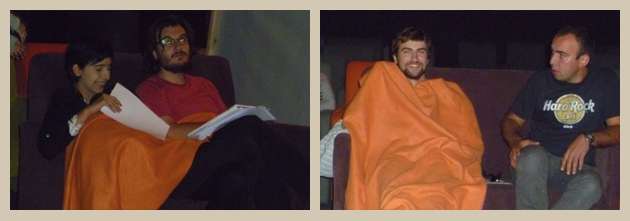
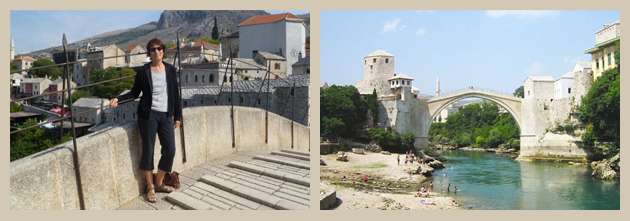
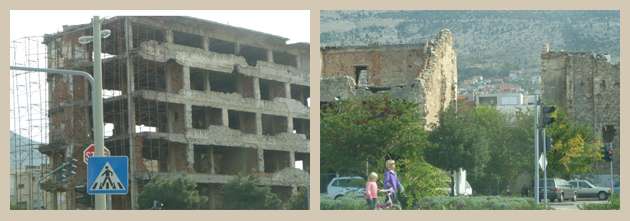
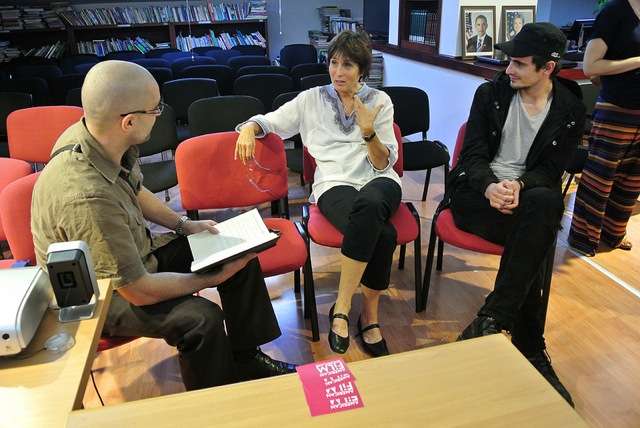
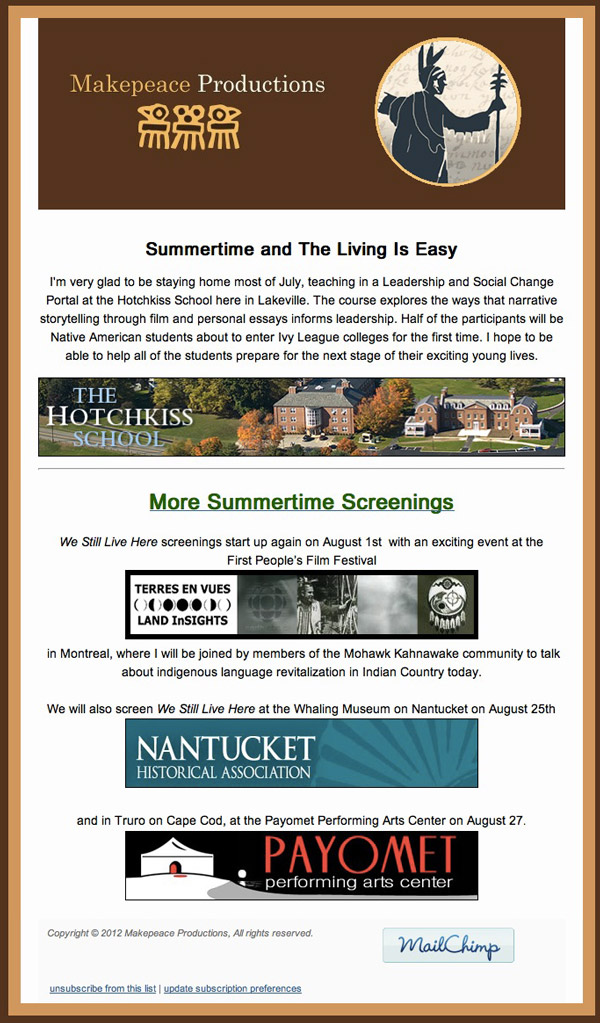
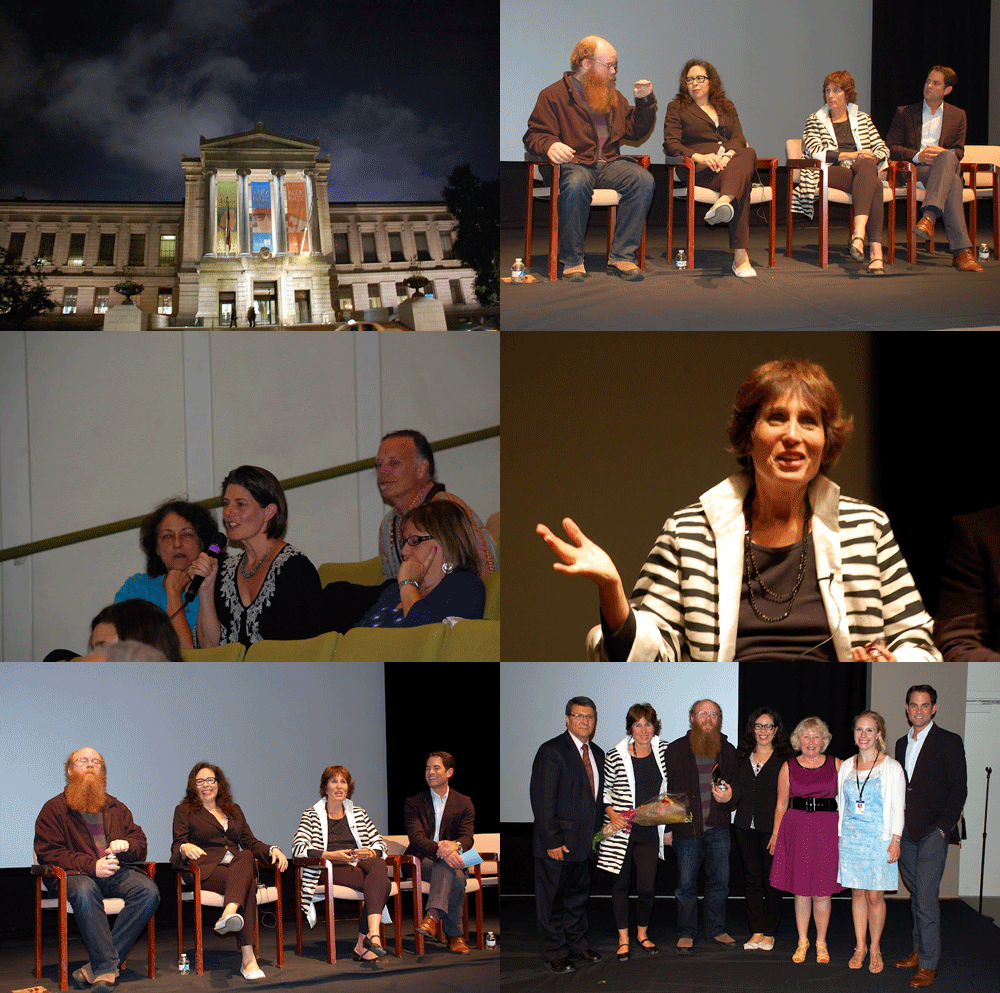
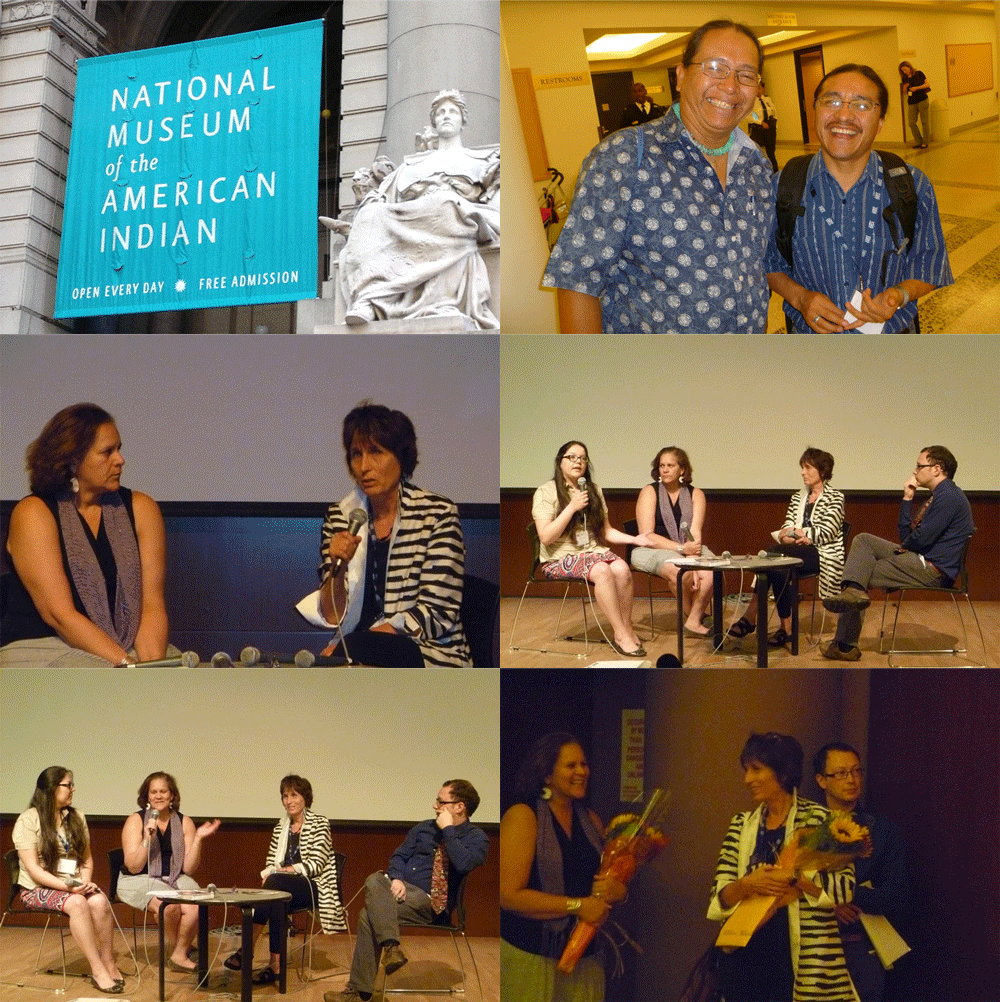
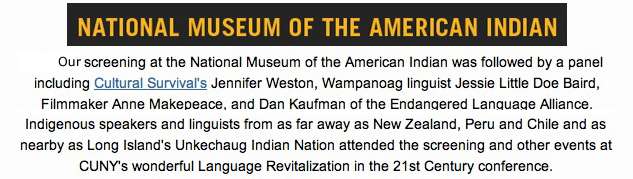
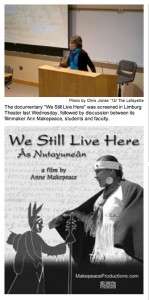

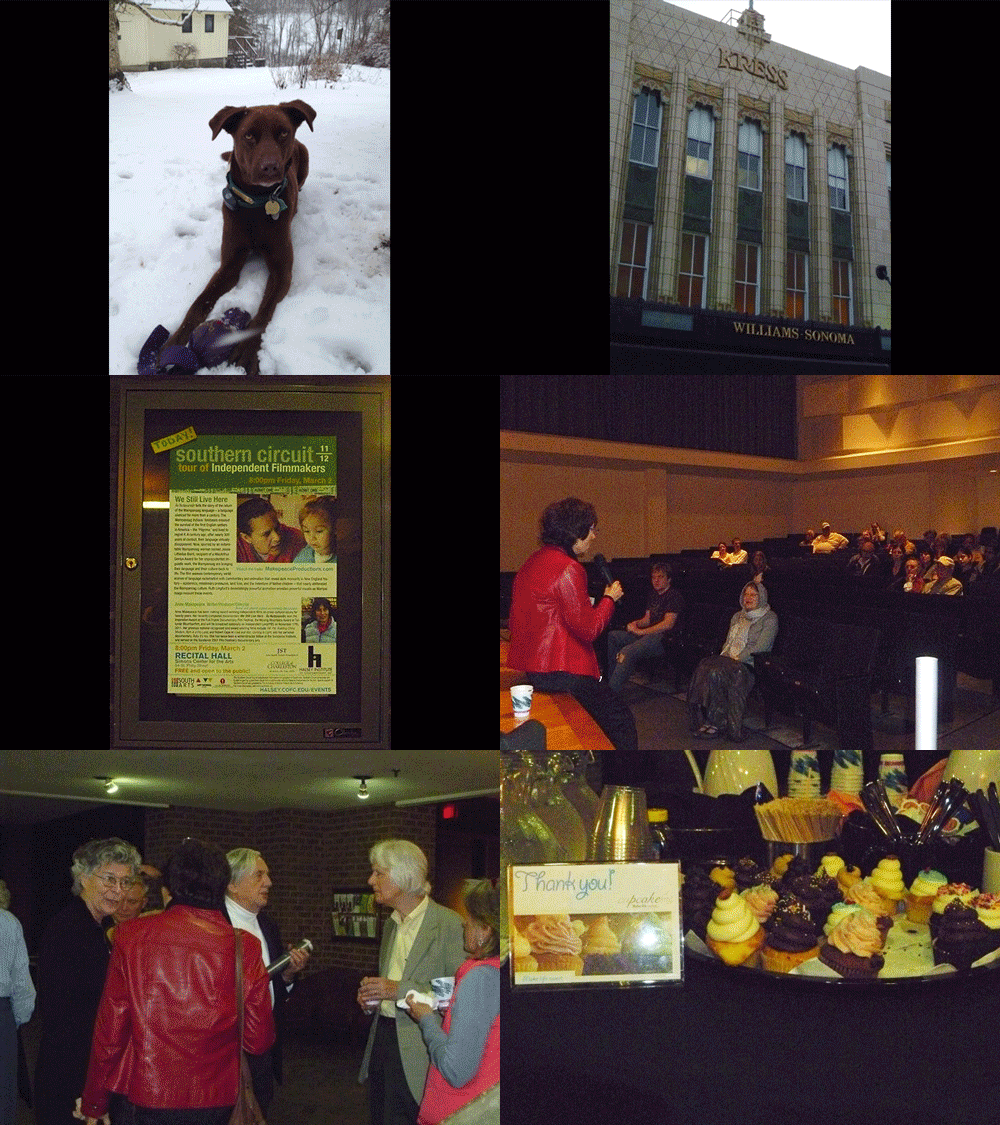
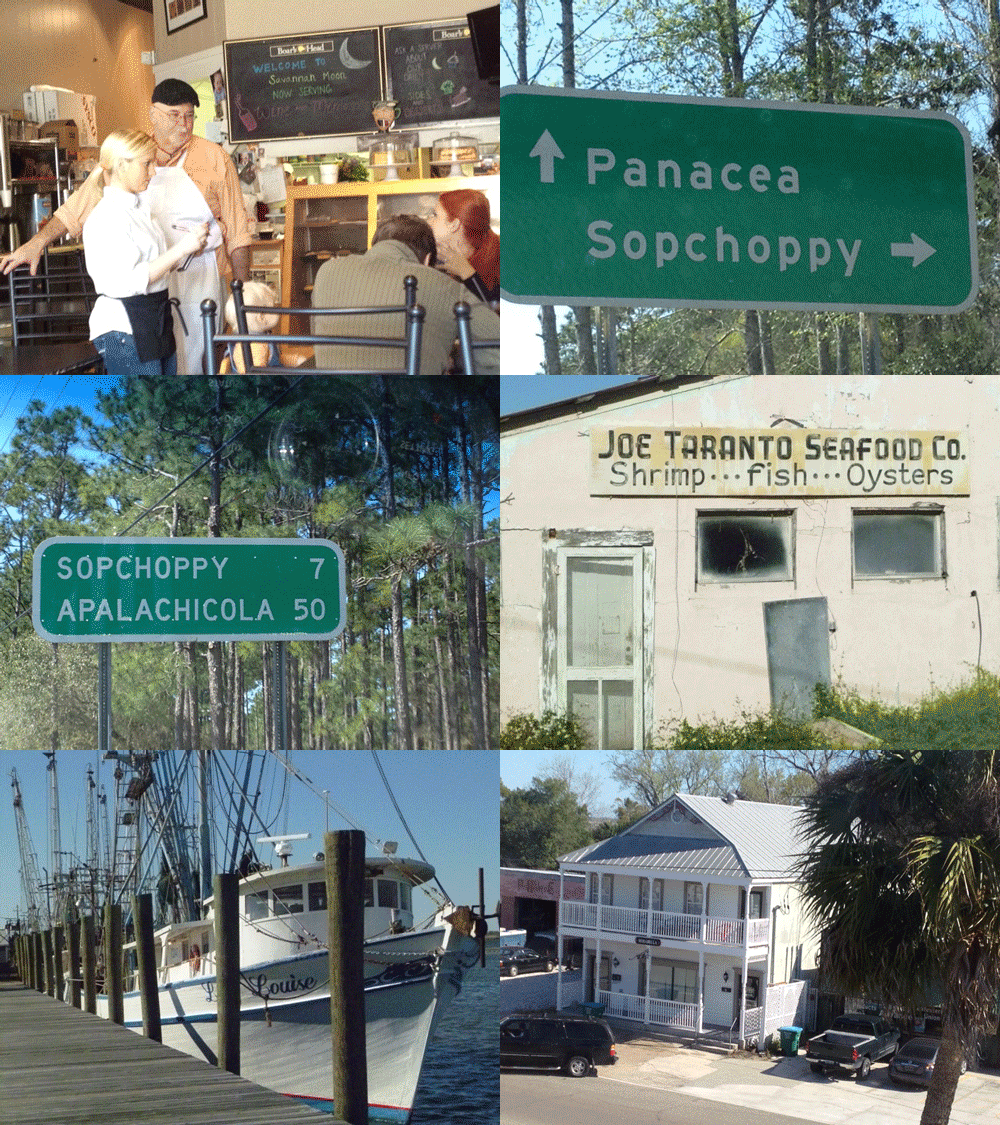
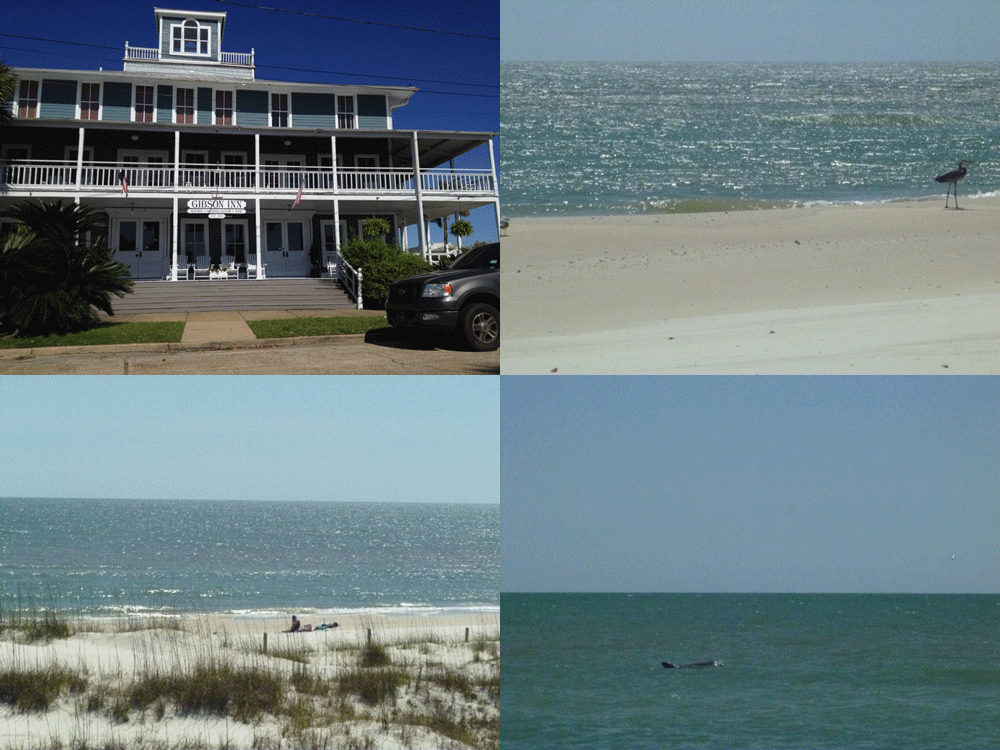
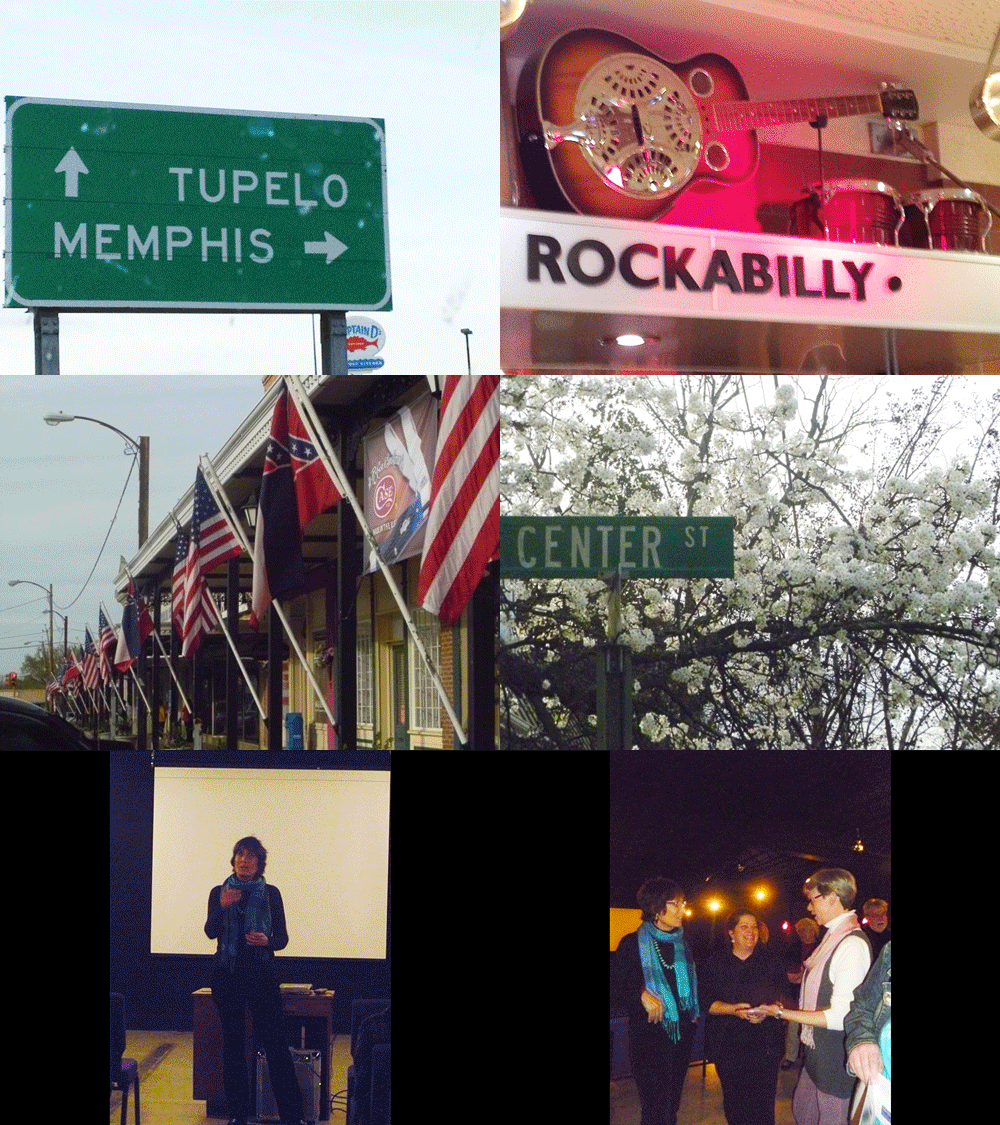
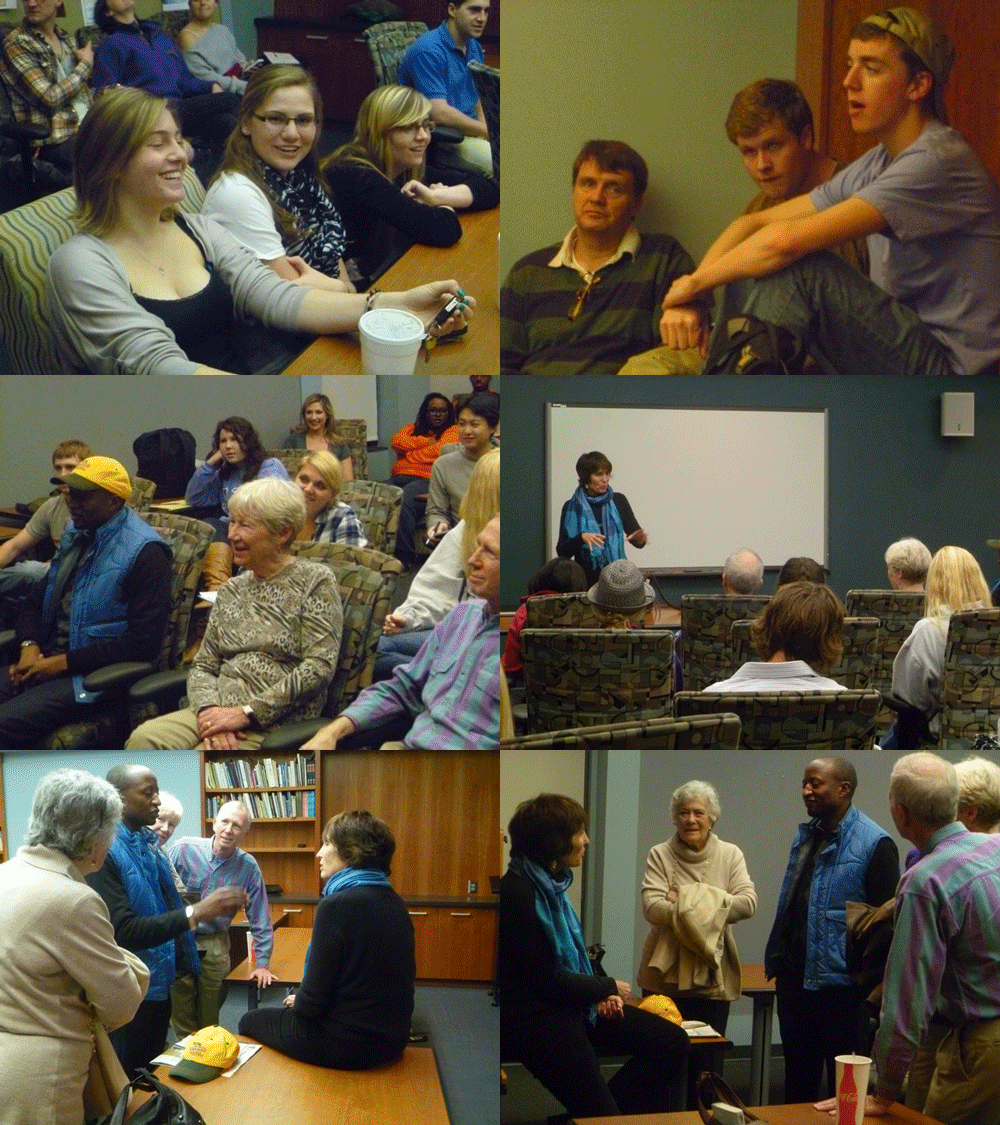
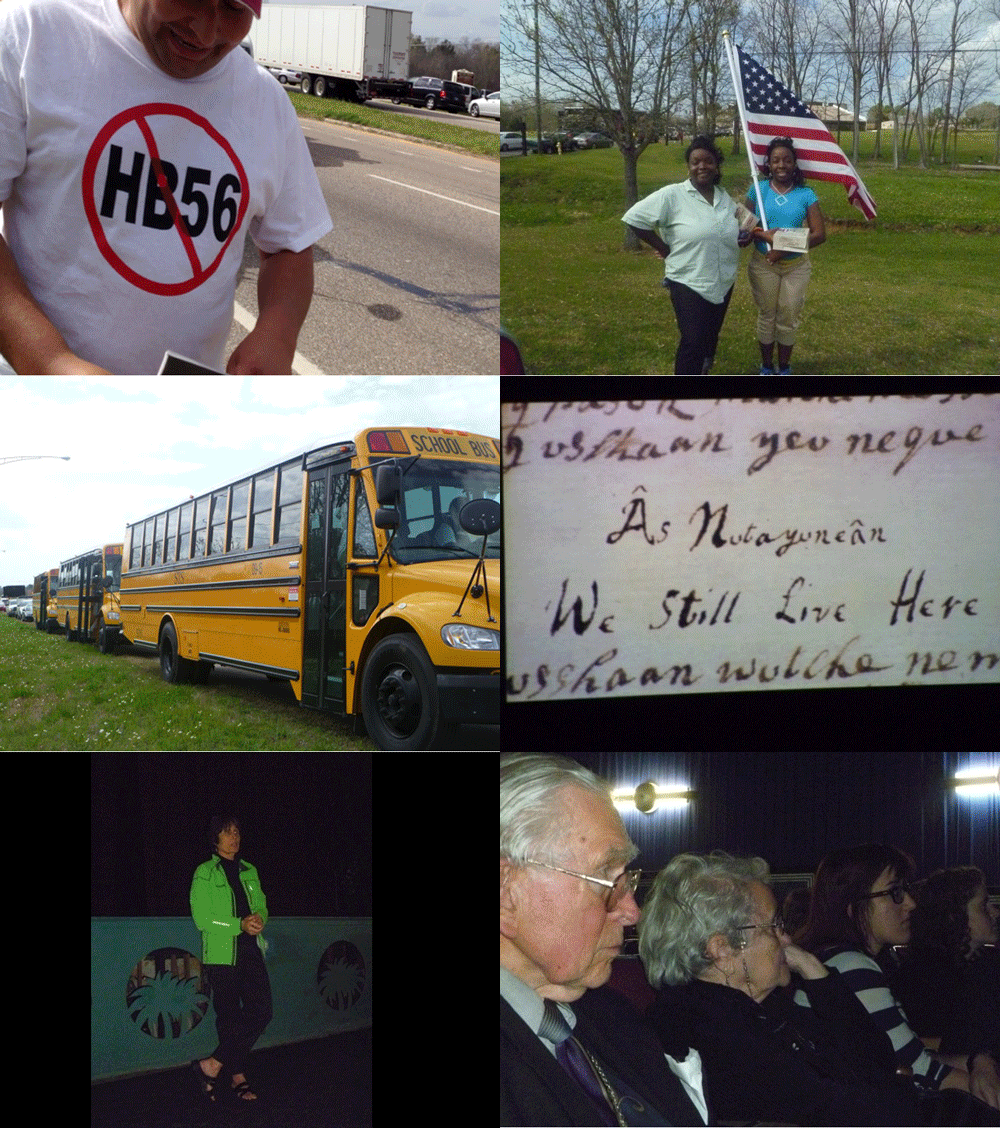
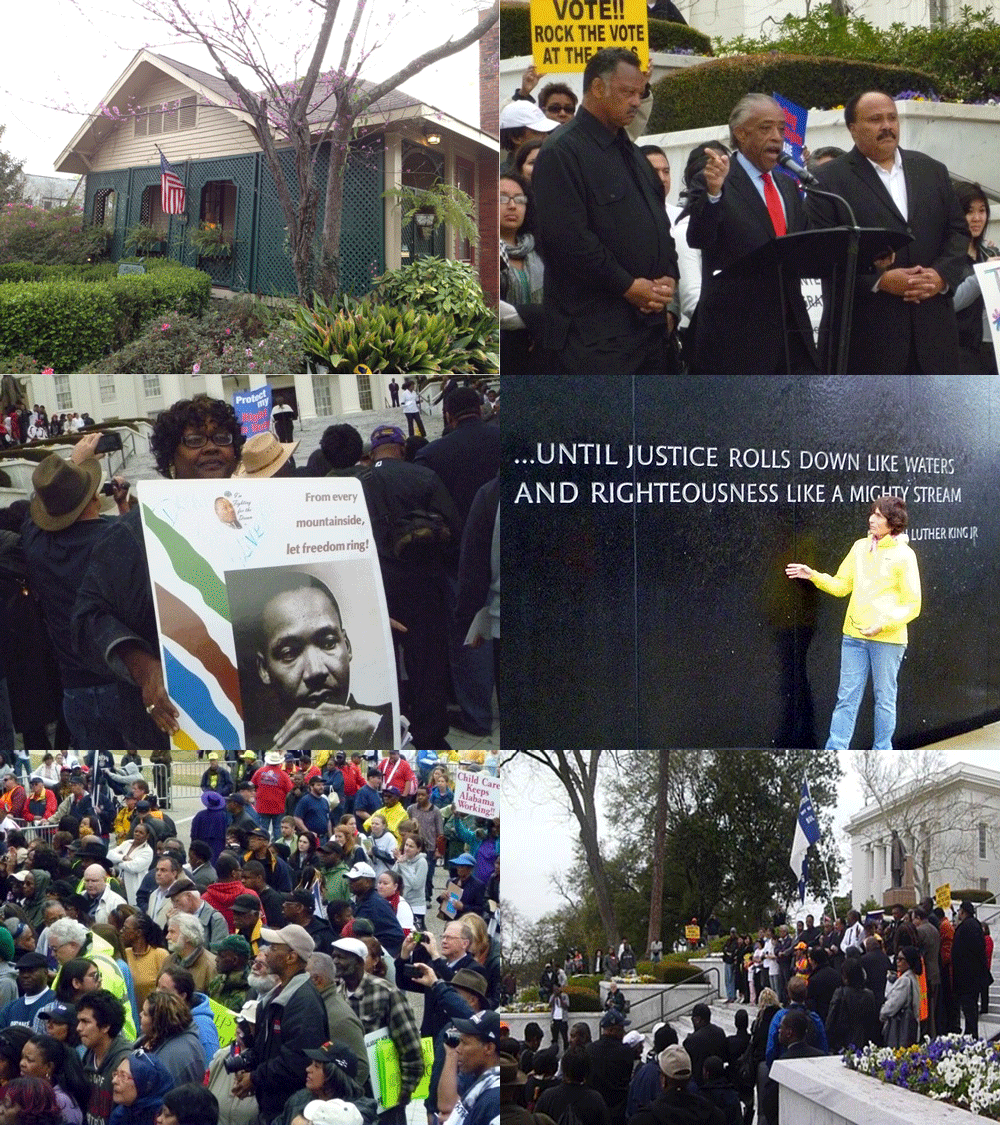

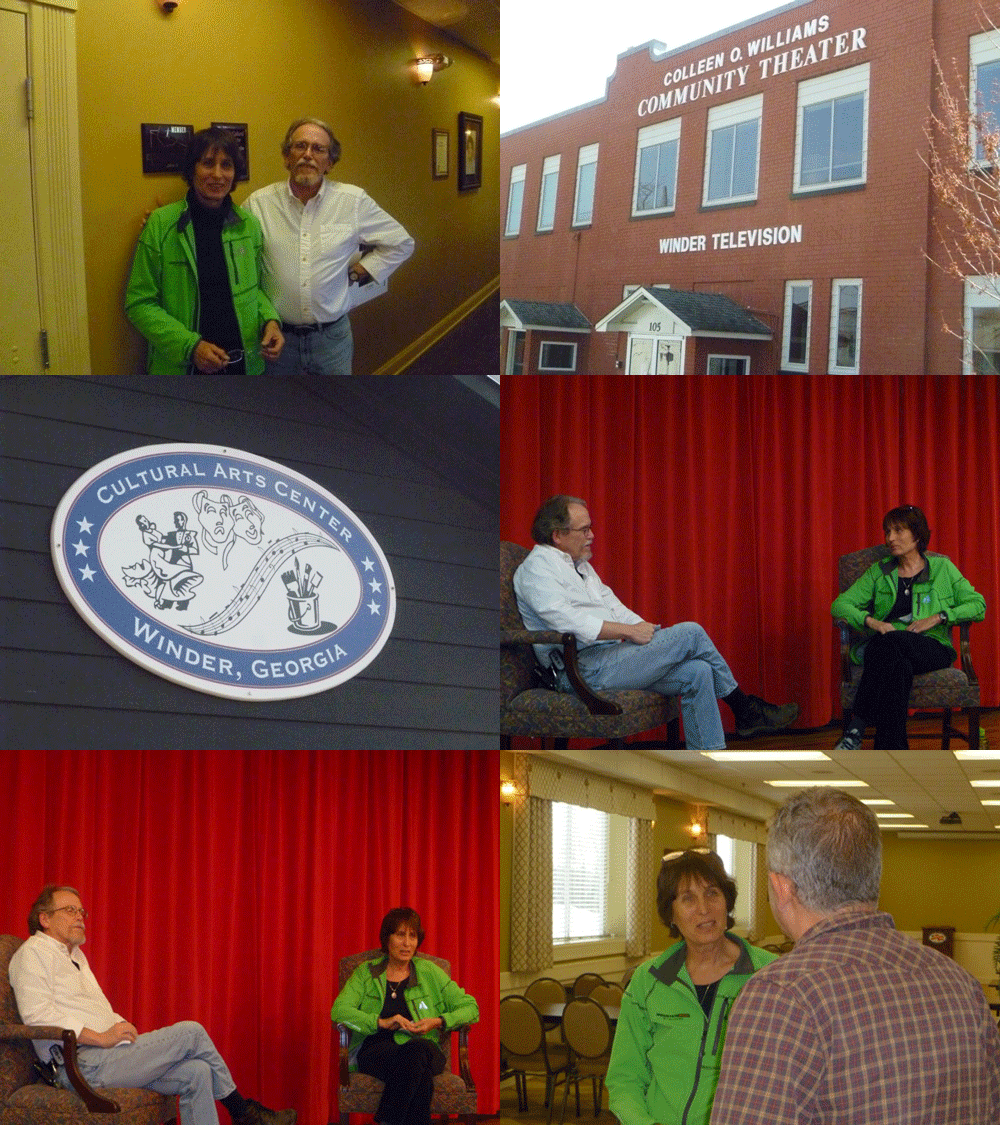
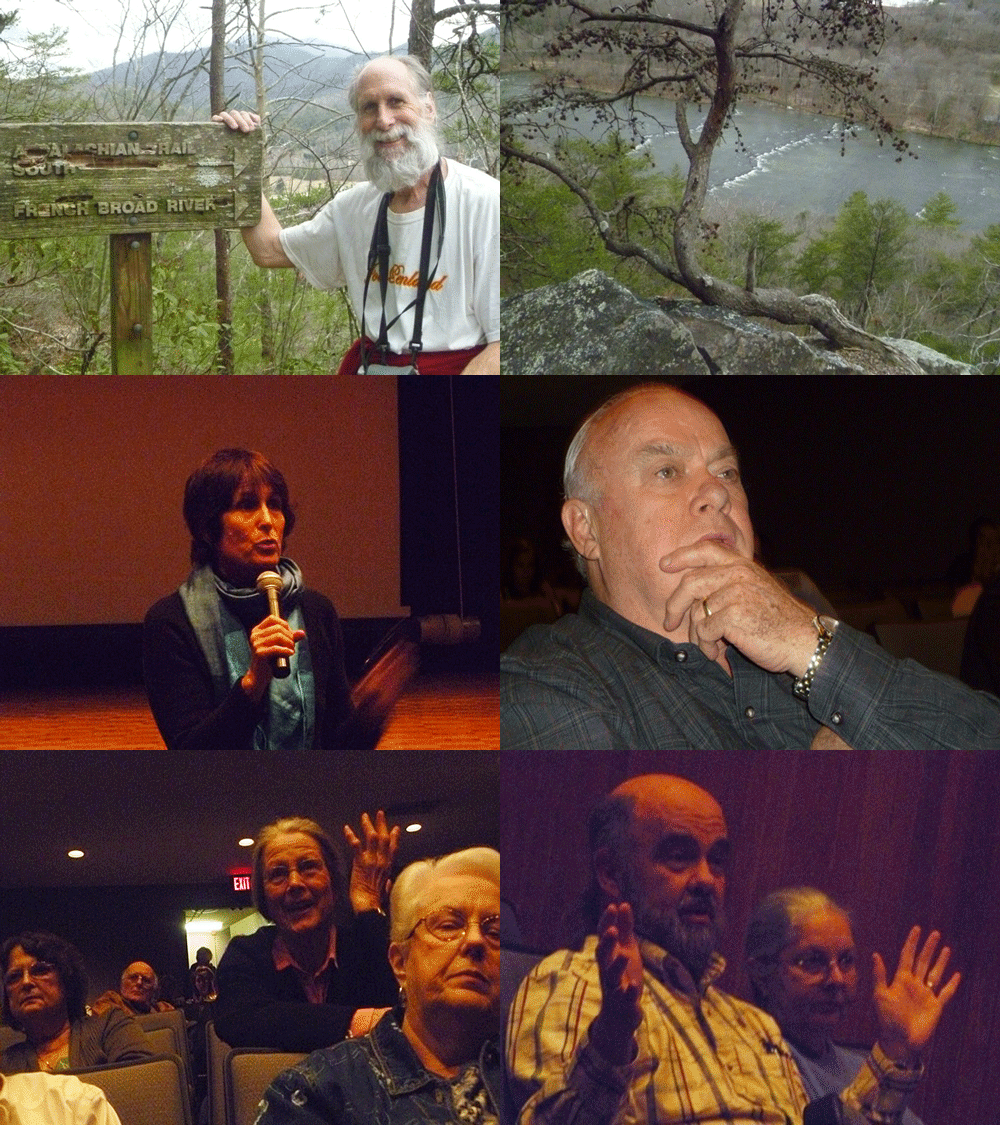
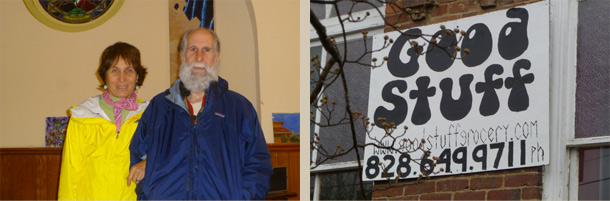
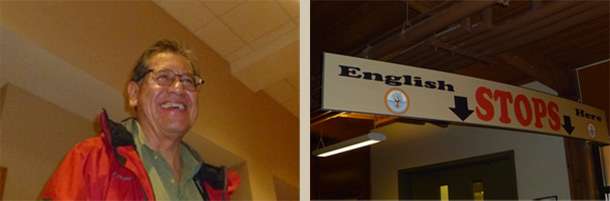
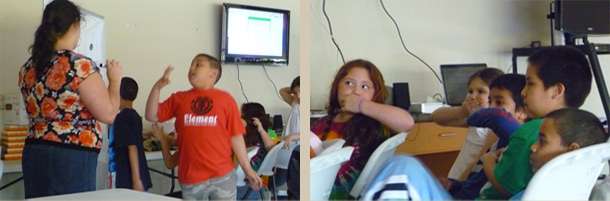
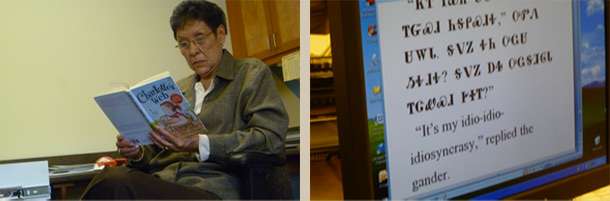
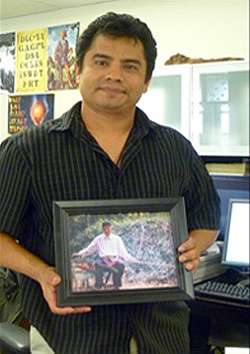
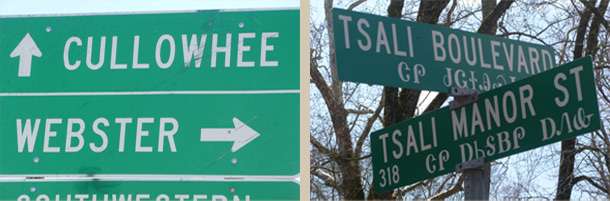
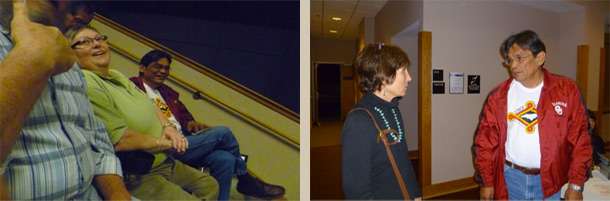
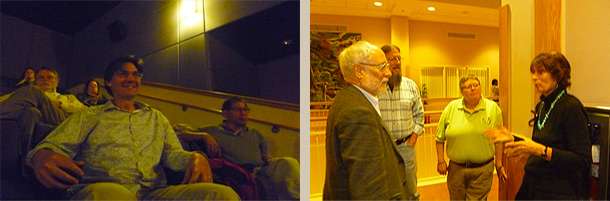
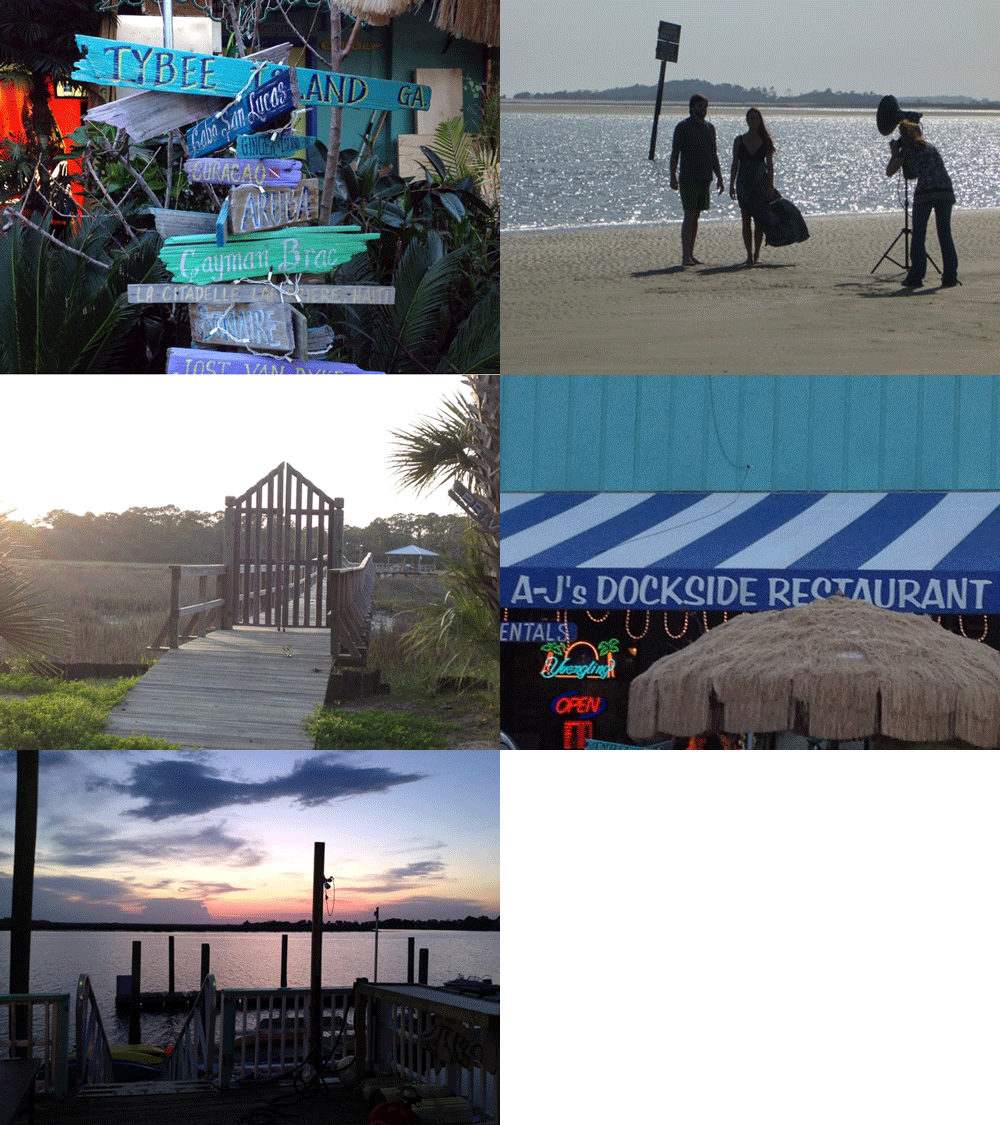
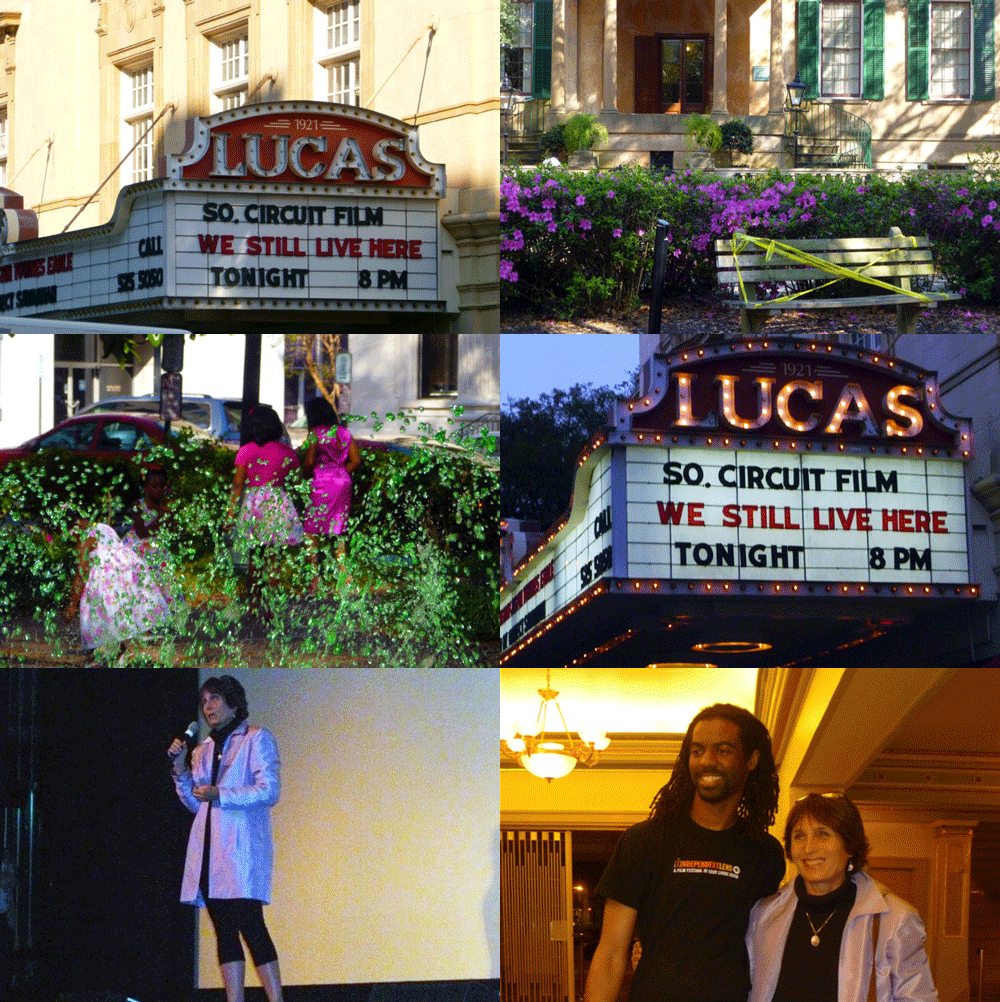
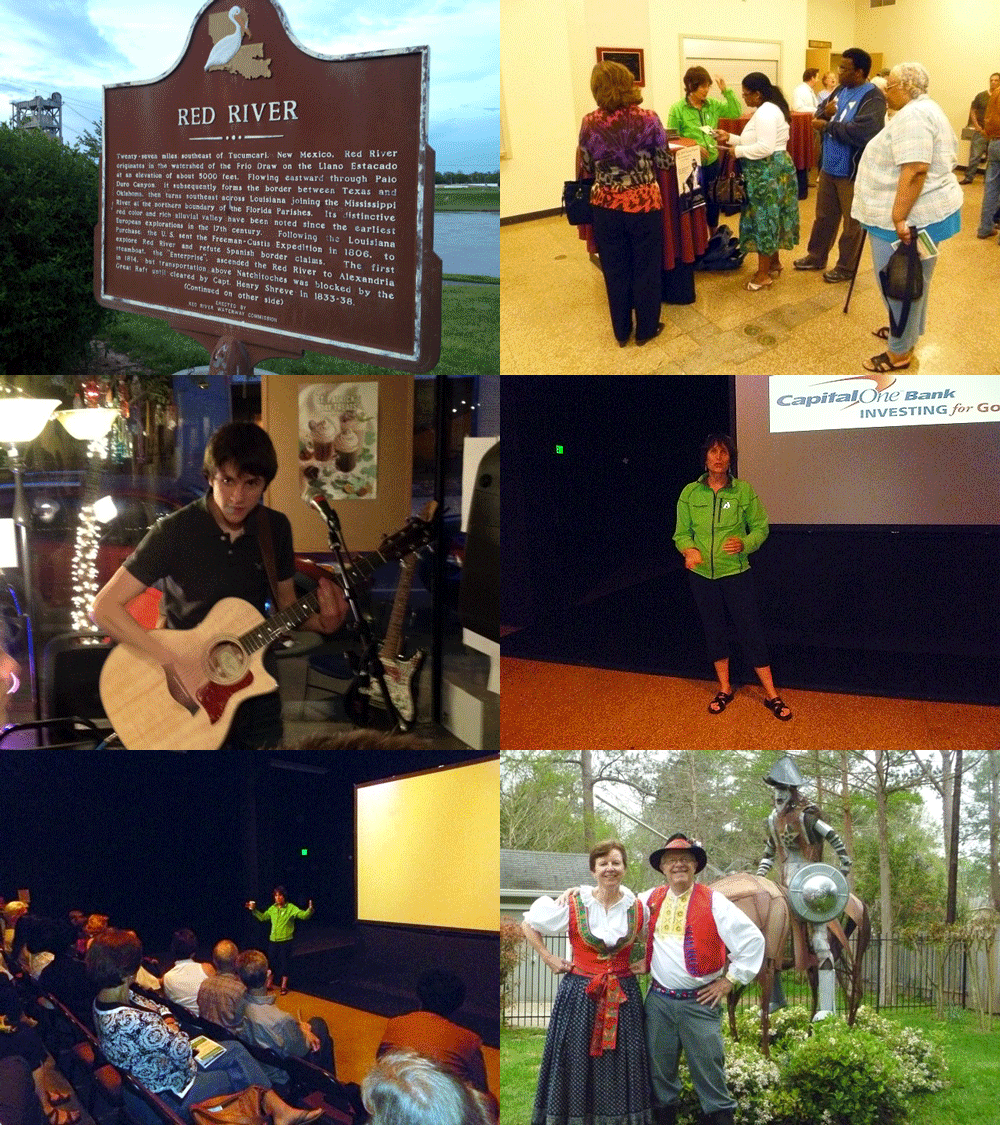
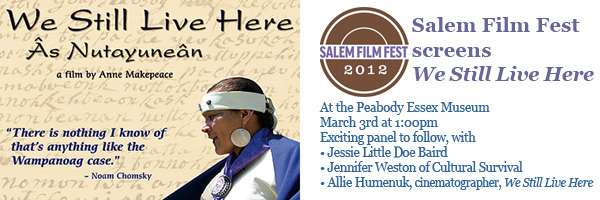
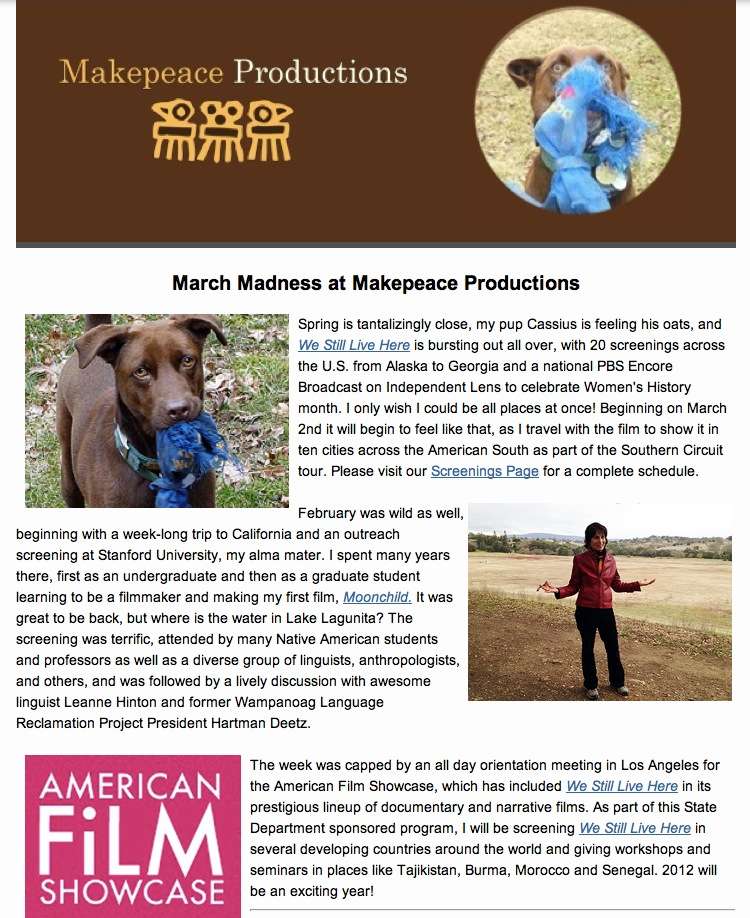
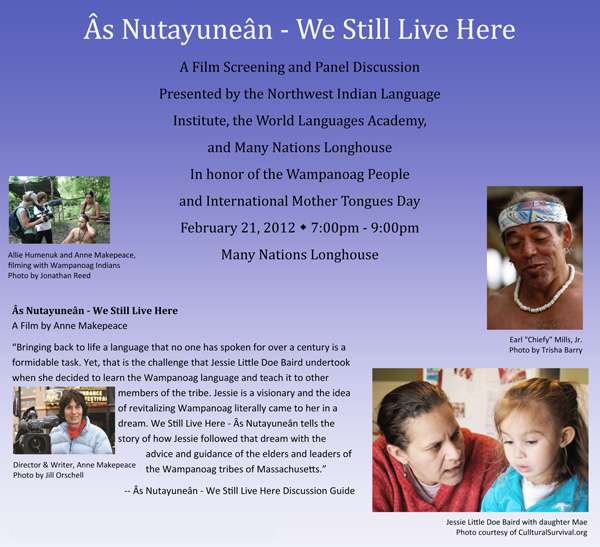
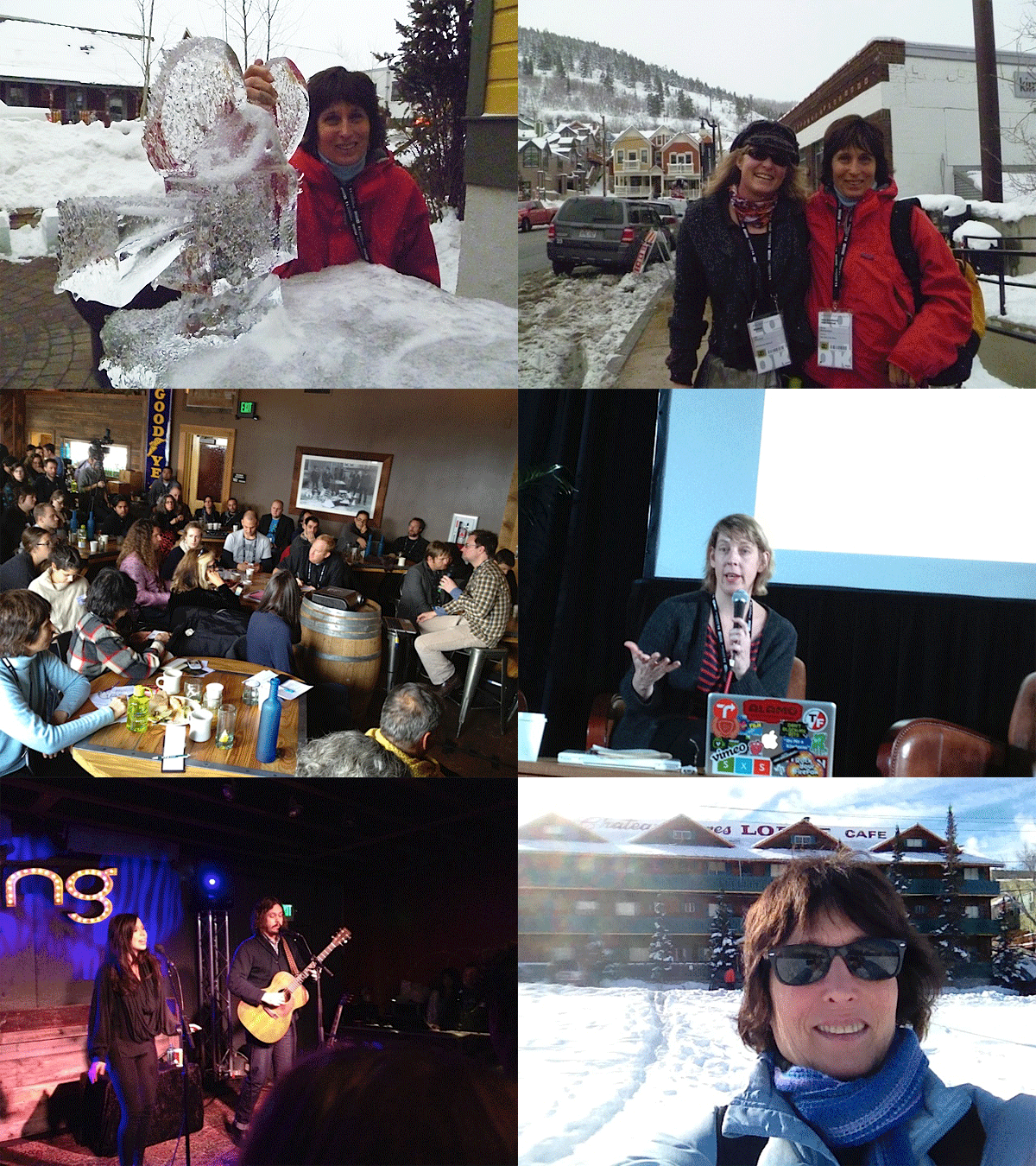
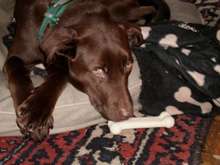
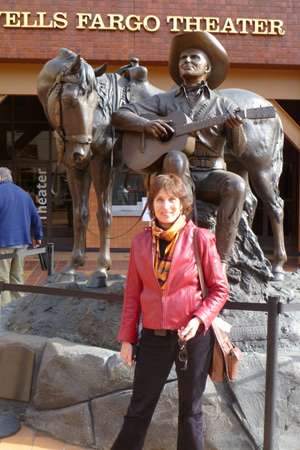
 to a dynamic presenter talking about… actually I was too distracted and overwhelmed to take in what he was saying. Desiree and I were introduced and as I looked out over this sea of men of every color, I wondered what they thought of my film (they had watched it a few nights before), what they got out of it, how it related to their lives. Though many of the men looked tough and a bit scary to me, they were very polite, focused, interested, even passionate about the film. There were lots of questions about the true history of the Pilgrims and the